Peony – Paeonia lactiflora: planting conditions, pruning techniques, seasonal care
There’s something truly magical about peonies that makes gardeners fall head over heels for these stunning perennials. Paeonia lactiflora, commonly known as the Chinese peony or white peony, stands as one of the most beloved flowering plants in gardens worldwide. These gorgeous herbaceous perennials reward patient gardeners with spectacular blooms that can last for decades when properly cared for.
Chinese peonies are herbaceous perennials that completely die back to ground level each winter, unlike their shrub counterparts. These remarkable plantes reach about 70 cm in height and spread to 80-90 cm at maturity, forming elegant clumps that become more impressive with age. The feuilles emerge fresh and green each spring, creating beautiful foliage that serves as the perfect backdrop for the upcoming floral display.
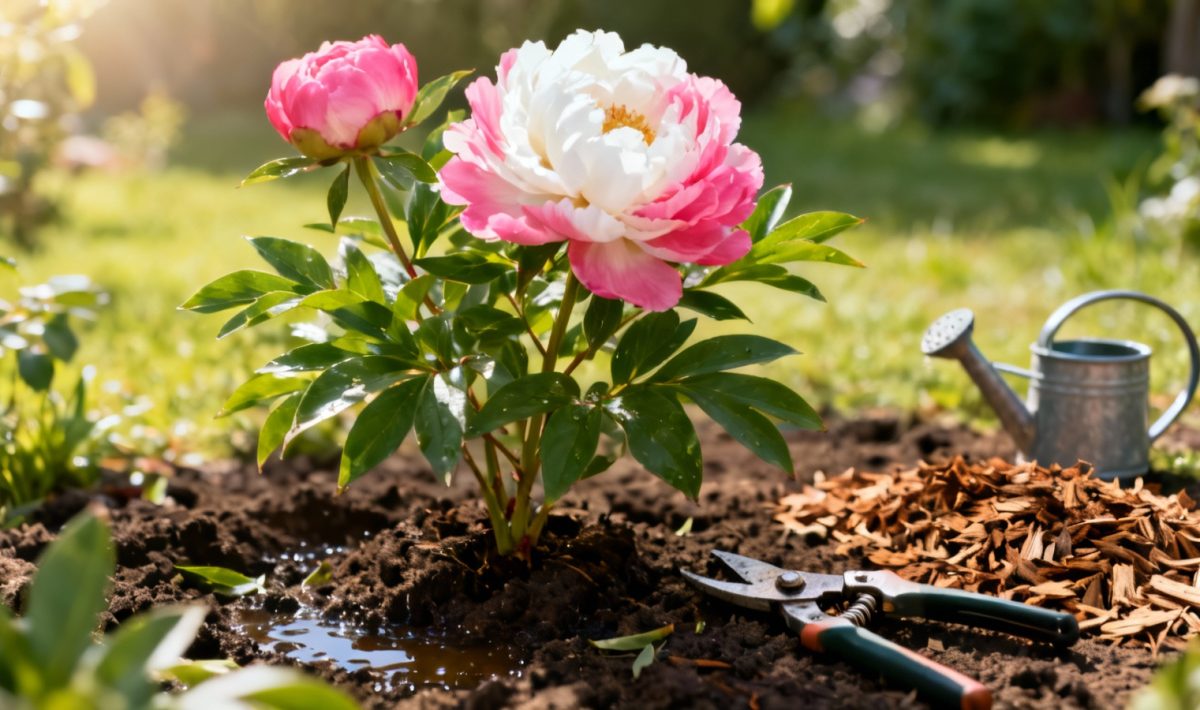
The floraison period typically occurs from May to June, producing large, fragrant fleurs in an array of stunning couleurs. You’ll find varieties blooming in pristine blanc, soft rose tones, deep crimson, and even rare apricot shades. Popular variétés include ‘Fleur de Pêcher’ with its delicate pink petals that fade to white, and ‘Inspecteur Lavergne’ featuring ruffled rose-carmine blooms.
Creating ideal growing conditions
Success with pivoines begins with choosing the perfect location and preparing the sol properly. These plantes thrive in rich, well-drained soil that doesn’t become waterlogged during winter months. The endroit should receive morning soleil with some afternoon protection in hotter climates, though they can tolerate full sun in cooler regions.
When preparing your plantation site, work plenty of compost into the soil to improve both drainage and fertility. The sol should be slightly alkaline to neutral, with a pH between 6.5 and 7.0. Much like when following care instructions for Pontic rhododendron, proper soil preparation sets the foundation for healthy growth and abundant flowering.
Dig holes that are twice as wide as the root system and about 18 inches deep. This extra space allows the racines to establish themselves properly and ensures good drainage around the crown of the plante.
Mastering peony care throughout the seasons
Proper entretien varies throughout the growing season, with each period requiring specific attention to different aspects of plant health. During printemps, as new bourgeons emerge from the soil, apply a balanced engrais around the base of each plant to support vigorous croissance.
Water deeply but infrequently, allowing the soil to dry slightly between waterings. Overwatering is one of the most common causes of poor performance in pivoines, so veillez to maintain proper moisture levels without creating soggy conditions.
Summer care focuses on supporting heavy blooms and preventing maladies. Tall varieties may need staking to prevent the weight of large fleurs from causing the tiges to bend or break. Remove spent blooms promptly to prevent seed formation and redirect energy back into the plant.
Essential pruning techniques
Knowing when and how to tailler your pivoines makes the difference between mediocre and spectacular blooms. The key timing for pruning herbacées varieties comes in late automne after the first hard frost has blackened the feuilles.
Cut all tiges back to ground level, removing all plant material to prevent disease issues from overwintering debris. This annual taille allows the plant to focus its energy on developing strong racines and preparing for next year’s display. Similar to growing tips for apricot trees, timing your pruning correctly ensures optimal plant health.
During the growing season, limit pruning to deadheading spent fleurs and removing any diseased or damaged feuilles. Avoid cutting back healthy foliage during the growing season, as it’s essential for building energy reserves in the racines.
Propagation methods for expanding your collection
There are several ways to propagate your favorite pivoine varieties, with division being the most reliable method for herbaceous types. The best time to divide established plants is during late summer or early automne when the plantes are dormant.
Carefully dig up the entire root system and use a sharp, clean knife to divide the crown into sections. Each division should have at least 3-5 buds and a good portion of healthy racines. Plant divisions immediately at the same depth they were growing previously.
Seed propagation is possible but requires patience, as plants grown from seed may take 4-5 years to bloom and won’t be true to the parent variety. This method works well for species types but isn’t recommended for named cultivars.
Common problems and solutions
Even with proper soins, pivoines can encounter several common issues that affect their performance. Botrytis blight, also known as gray mold, is the most frequent disease affecting these plantes. This fungal infection causes buds to turn brown and fail to open, often appearing as a grayish mold on affected plant parts.
Prevention involves ensuring good air circulation around plantes, avoiding overhead watering, and cleaning up all plant debris in automne. If infection occurs, remove affected parts immediately and apply an appropriate fungicide according to label directions.
Poor flowering can result from several factors including insufficient sunlight, overly rich sol, or planting too deeply. Unlike best practices for cucumber cultivation which requires frequent feeding, pivoines actually perform better with moderate fertility levels.
Seasonal maintenance schedule
Spring tasks include applying compost around the base of established plantes and providing support for tall varieties before they reach full size. Watch for emerging shoots and protect them from late frosts if necessary.
During the flowering period, enjoy the spectacular display while deadheading spent blooms regularly. This practice, similar to maintenance routines used in care guide for oxeye daisies, keeps plants looking tidy and prevents unwanted self-seeding.
Summer care focuses on consistent moisture during dry periods and monitoring for pest or disease issues. Apply a layer of organic mulch around plantes to conserve moisture and suppress weeds, keeping mulch away from the plant crown.
Automne preparation involves gradually reducing watering as plantes enter dormancy. Wait until feuilles have been killed by frost before cutting back, then apply a light layer of compost for winter protection.
Creating stunning garden displays
Pivoines make exceptional specimen plantes but also work beautifully in mixed borders when paired with complementary perennials. Their brief but spectacular blooming period can be extended by choosing varieties with different flowering times.
Plant early, mid, and late-season variétés to enjoy blooms from late spring through early summer. Consider the mature size when spacing plantes, allowing adequate room for air circulation and future growth.
The beauté of established pivoines increases with age, so choose locations carefully as these plantes don’t appreciate being moved once established. With proper placement and care, your pivoines can provide decades of stunning floral displays, much like the long-term investment in growing instructions for Oriental arborvitae for structural garden elements.
These remarkable plantes truly earn their place as queens of the perennial jardin, offering unmatched floral drama combined with surprisingly simple care requirements. With patience and proper technique, even novice gardeners can successfully cultiver these magnificent flowering treasures that will bring joy for generations to come.
Allan is a lifelong gardening enthusiast who still gets excited when the first seedlings pop up in spring. With a deep love for nature and a hands-in-the-soil approach, he shares practical tips, plant discoveries, and clever tricks picked up over years of digging, planting, and observing. Whether you’re a new gardener or have a shed full of tools, Allan writes like a neighbor who’s always happy to swap cuttings and stories over the fence.
You can find more about Allan’s work on Malt or connect with him on LinkedIn.