
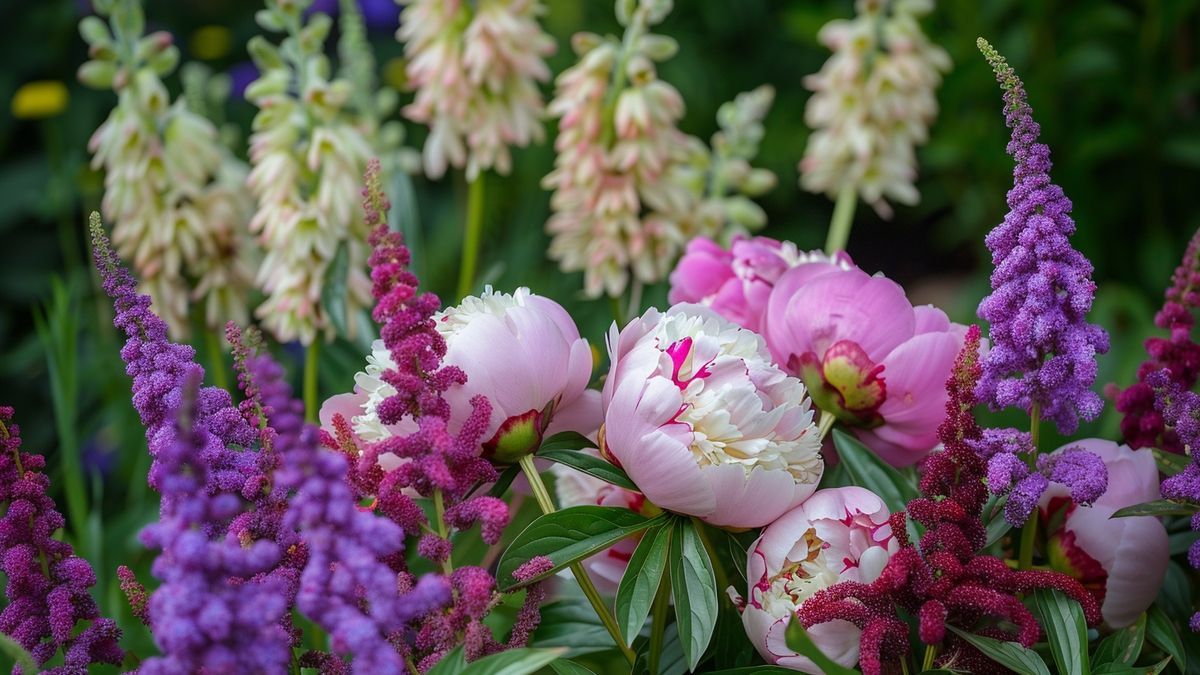
Choosing the right companion plants for peonies
When it comes to creating a thriving garden, companion planting is a strategy that can significantly enhance the health and beauty of your plants. For peonies, which are renowned for their stunning blooms and low maintenance requirements, selecting the right companion plants can help prevent pests and boost blooms. Peonies are versatile and can be used in various garden settings, from borders to focal points, and they are particularly attractive due to their deer-resistant nature and long lifespan.
Peonies come in several varieties, including herbaceous, tree, Itoh, and intersectional peonies, each with distinct growth habits and bloom times. Understanding these differences is crucial when selecting companion plants, as some plants may complement certain types of peonies better than others.
Understanding peony varieties
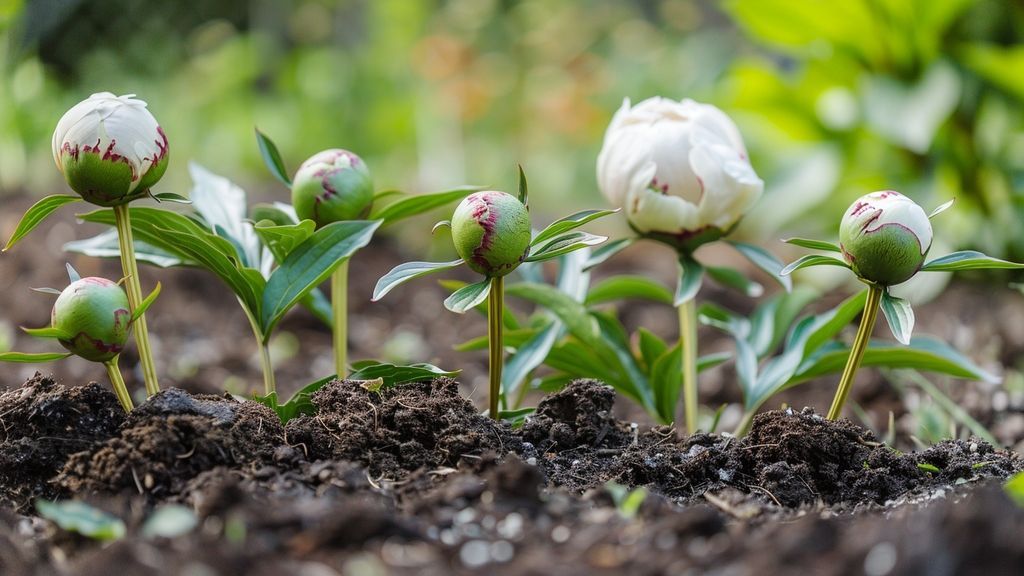
Before diving into the best companion plants for peonies, it’s essential to understand the different types of peonies and their specific needs.
- Herbaceous Peonies: These are the most common type and grow 2 to 4 feet tall. They die back to the ground each winter, which means they require less support compared to other varieties.
- Tree Peonies: Known for their woody stems and larger flowers, tree peonies can grow 3 to 7 feet tall and do not die back in winter. They generally require less support due to their sturdy stems.
- Itoh Peonies: A hybrid of herbaceous and tree peonies, Itoh peonies combine the best traits of both, offering a robust growth habit and beautiful blooms.
- Intersectional Peonies: These are similar to Itoh peonies but are often more compact, growing 2 to 2.5 feet tall.
Selecting companion plants for pest control
One of the primary reasons for using companion plants is to control pests naturally. Certain plants can repel pests that might target peonies, ensuring a healthier garden environment.
- Alliums: Known for their strong scent, alliums are excellent at repelling pests. They add a structured element to the garden with their spherical flowers, complementing the soft blooms of peonies.
- Delphiniums: These tall perennials not only provide a beautiful backdrop for peonies but can also act as natural stakes, supporting the stems of taller peony varieties.
- Salvia: Similar to delphiniums, salvia offers both visual appeal and structural support, making it an excellent choice for companion planting with peonies.
Enhancing blooms with companion plants
In addition to pest control, companion plants can also enhance the blooms of peonies by improving soil health, providing shade, or attracting beneficial insects.
Improving soil health
Some plants can improve soil health by adding nutrients or improving drainage, which can indirectly benefit peonies.
- Comfrey: Known as a fertilizer plant, comfrey can enrich the soil with nutrients, benefiting nearby plants like peonies.
- Marigolds: These flowers can help deter nematodes and other pests, while also adding a pop of color to the garden.
Attracting beneficial insects
Attracting beneficial insects can help pollinate peonies and other plants in the garden, enhancing their blooms.
- Lavender: While not typically planted with peonies, lavender attracts pollinators and can be used in nearby beds to enhance overall garden health.
- Chamomile: This herb is known for its calming effects but also attracts beneficial insects, which can help pollinate peonies.
Supporting peony stems

Peonies, especially the herbaceous varieties with large blooms, often require support to prevent their stems from falling over. Companion plants can sometimes serve this purpose naturally.
Using plants as natural stakes
Taller plants like delphiniums or salvia can act as natural stakes for peonies, providing structural support without the need for additional staking.
Traditional staking methods
For more robust support, traditional staking methods are often necessary:
- Bamboo Stakes: These are lightweight and easy to use, providing gentle support for peony stems.
- Cages: Pre-made or homemade cages can encircle the plant, offering comprehensive support for multiple stems.
- Ring Supports: These are circular and provide support for the stems as they grow, ensuring they remain upright.
Maintaining a balanced garden ecosystem
Creating a balanced garden ecosystem involves considering the needs of all plants involved. This includes ensuring that companion plants do not compete with peonies for resources like water and nutrients.
Avoiding competitive plants
Some plants can be too competitive for peonies, either by spreading aggressively or requiring too much water. Mint, for example, is known for its aggressive spread and should be avoided near peonies.
Ensuring compatible growth conditions
Peonies prefer well-drained soil and full sun to partial shade. Companion plants should have similar preferences to ensure a harmonious coexistence.
- Sun Requirements: Ensure that companion plants do not overshadow peonies, as they require adequate sunlight to bloom well.
- Soil Preferences: Plants like alliums and delphiniums can thrive in similar conditions to peonies, making them suitable companions.
Choosing the right companion plants for peonies can significantly enhance their beauty and health. By selecting plants that repel pests, improve soil health, and provide structural support, gardeners can create a thriving and balanced garden ecosystem. Whether you’re looking to add visual appeal or improve the overall health of your peonies, companion planting offers a natural and effective solution.

Allan is a lifelong gardening enthusiast who still gets excited when the first seedlings pop up in spring. With a deep love for nature and a hands-in-the-soil approach, he shares practical tips, plant discoveries, and clever tricks picked up over years of digging, planting, and observing. Whether you’re a new gardener or have a shed full of tools, Allan writes like a neighbor who’s always happy to swap cuttings and stories over the fence.
You can find more about Allan’s work on Malt or connect with him on LinkedIn.


