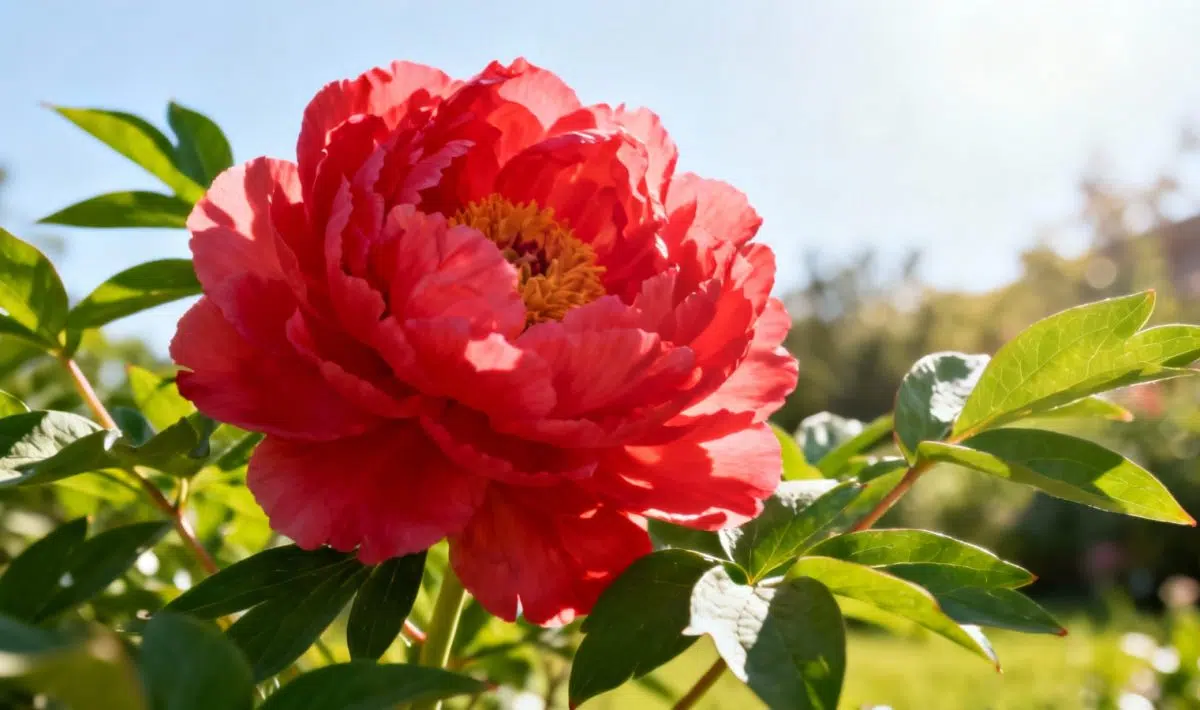
Understanding peony sunlight requirements for optimal growth
When it comes to growing stunning peonies in your garden, understanding how much sunlight does peony need is absolutely crucial for success. These magnificent flowering plants thrive when given the right balance of sun exposure, which directly impacts their blooming potential and overall health. Most peony varieties require 6 to 8 hours of direct sunlight daily to produce those breathtaking flowers we all adore.
Peonies are remarkably adaptable plants, but they’re quite particular about their lighting conditions. The quality and duration of sunlight affects everything from flower size to plant vigor. When peonies receive adequate sun exposure, they develop stronger stems, more vibrant colors, and produce significantly more blooms throughout their flowering season.
The science behind peony light needs
Research shows that light intensity plays a fundamental role in peony cultivation. High-intensity sunlight promotes photosynthesis, which fuels the energy production necessary for robust flower development. However, it’s not just about brightness – the duration of light exposure, known as photoperiod, is equally important for triggering the blooming cycle.
During spring and early summer, peonies benefit from extended daylight hours, typically 14 to 16 hours of natural light. This extended photoperiod signals the plant to begin its flowering process, usually occurring from late spring through early summer depending on the variety. The spectral quality of light, particularly blue and red wavelengths, influences both plant morphology and biochemical composition.
Morning sun versus afternoon exposure
While peonies need substantial sunlight, the timing of that exposure matters significantly. Morning sun is particularly beneficial as it helps dry dew from the foliage, reducing the risk of fungal diseases. For gardeners dealing with intense afternoon heat, providing some protection during the hottest part of the day can prevent flower fading and extend blooming periods.
In regions with scorching summers, peonies actually benefit from partial shade during peak afternoon hours. This approach maintains the necessary light levels while protecting delicate petals from excessive heat stress. Consider this strategy especially important if you’re growing lighter-colored varieties that fade more readily in intense sunlight.
Choosing the perfect garden location for your peonies
Selecting the right spot in your garden requires careful consideration of sun patterns throughout the day. Observe your potential planting area from early morning through late afternoon to understand exactly how many hours of direct sunlight it receives. This observation period should span several days to account for any variations.
East-facing locations often provide ideal conditions, offering bright morning sun while avoiding the harshest afternoon rays. South-facing spots work well in cooler climates but may require afternoon protection in hotter regions. Much like how different plants have varying needs – for instance, understanding optimal sunlight for common peonies can help you make better decisions about placement.
Avoid planting peonies in areas that receive less than 6 hours of sunlight, as this will result in poor flowering and weak plant structure. Similarly, locations with all-day intense sun in hot climates may stress the plants and reduce flower quality.
Soil preparation and sunlight optimization
Once you’ve identified the perfect sunny location, soil preparation becomes your next priority. Well-draining soil is essential because peonies hate wet feet, especially when combined with intense sunlight. Amend heavy clay soils with organic matter to improve drainage while maintaining moisture retention.
The soil pH should ideally range between 6.5 and 7.0 for optimal nutrient uptake. When peonies can efficiently absorb nutrients from properly prepared soil, they’re better equipped to handle full sun conditions and produce exceptional blooms.
Maximizing peony performance through proper care
Beyond sunlight requirements, several factors work together to ensure your peonies reach their full potential. Adequate spacing between plants allows for proper air circulation, which becomes even more important in sunny locations where heat can build up around dense plantings.
Water management takes on special significance when growing peonies in full sun. Deep, infrequent watering encourages strong root development while preventing the shallow root growth that makes plants more susceptible to heat stress. Early morning watering allows plants to absorb moisture before the day’s heat intensifies.
Just as herbs have specific requirements – similar to how garden thyme sunlight preferences vary based on growing conditions – peonies also need consistent care routines. Regular feeding with balanced fertilizer supports vigorous growth that can better withstand full sun exposure.
Seasonal considerations for sun exposure
Understanding how seasonal changes affect sun exposure helps you plan better care strategies. Spring sunshine is generally gentler and perfect for encouraging new growth and bud development. Summer sun provides the energy needed for blooming but may require monitoring for signs of heat stress.
Fall sunlight helps peonies store energy in their roots for next year’s growth cycle. This seasonal energy storage is crucial for perennial success, making consistent sun exposure throughout the growing season important for long-term plant health.
Common mistakes to avoid with peony sun exposure
One frequent error gardeners make is assuming more sun always equals better results. While peonies are sun-loving plants, excessive heat combined with inadequate moisture can actually reduce flowering and shorten bloom duration. Balance is key to achieving optimal results.
Another mistake involves transplanting mature peonies to sunnier locations without proper preparation. These plants develop extensive root systems and don’t appreciate disturbance. If relocation becomes necessary, do it during dormancy and provide extra care during the establishment period.
Many gardeners also overlook the importance of gradual acclimatization when moving peonies from shadier to sunnier positions. Just as vegetables like sunlight needs for growing cantaloupes require careful attention to light conditions, peonies benefit from gradual exposure increases rather than sudden changes.
Troubleshooting sun-related problems
If your peonies aren’t blooming well despite receiving adequate sunlight, several factors might be at play. Overcrowding can limit air circulation and create competition for light, even in sunny locations. Dividing overgrown clumps every 5 to 7 years maintains healthy growth and optimal light penetration.
Nutrient deficiencies can also manifest as poor flowering in sunny conditions. Plants working hard in full sun have higher nutritional needs than those in partial shade. Regular soil testing helps identify and correct any imbalances that might be limiting performance.
Sometimes what appears to be a sunlight issue is actually related to other growing conditions. Poor drainage, compacted soil, or pest problems can all affect how well peonies utilize available sunlight. Taking a holistic approach to plant health often reveals the true cause of flowering problems.
Companion planting and sun management
Strategic companion planting can help optimize sun exposure while creating beautiful garden combinations. Low-growing plants that don’t compete for light make excellent companions, while taller plants can provide beneficial afternoon shade in hot climates.
Consider the varying needs of different garden plants when planning your layout. While some plants thrive with intense sun exposure like ideal sunlight for wine grapes, others prefer more moderate conditions similar to light needs of woodland strawberries. Understanding these differences helps create harmonious plantings.
Herbs can make particularly good companions for peonies, as many share similar sun requirements. Plants like sunlight requirements for catnip plants can complement peony growing conditions while adding fragrance and pest-deterrent properties to your garden.
Creating microclimates for optimal growth
Even within a single garden, you can create different microclimates to accommodate various peony varieties and their specific light preferences. Strategic use of structures, mulching, and companion plants allows you to fine-tune growing conditions.
Reflective surfaces can increase available light in partially shaded areas, while shade cloth or temporary structures can protect sensitive varieties during extreme heat. These modifications let you grow a wider range of peony types while meeting each variety’s specific sunlight requirements.
Remember that successful peony cultivation depends on understanding and working with your specific garden conditions. By carefully observing how sunlight patterns change throughout your growing season and adjusting your care practices accordingly, you’ll be rewarded with spectacular blooms year after year.
Allan is a lifelong gardening enthusiast who still gets excited when the first seedlings pop up in spring. With a deep love for nature and a hands-in-the-soil approach, he shares practical tips, plant discoveries, and clever tricks picked up over years of digging, planting, and observing. Whether you’re a new gardener or have a shed full of tools, Allan writes like a neighbor who’s always happy to swap cuttings and stories over the fence.
You can find more about Allan’s work on Malt or connect with him on LinkedIn.