
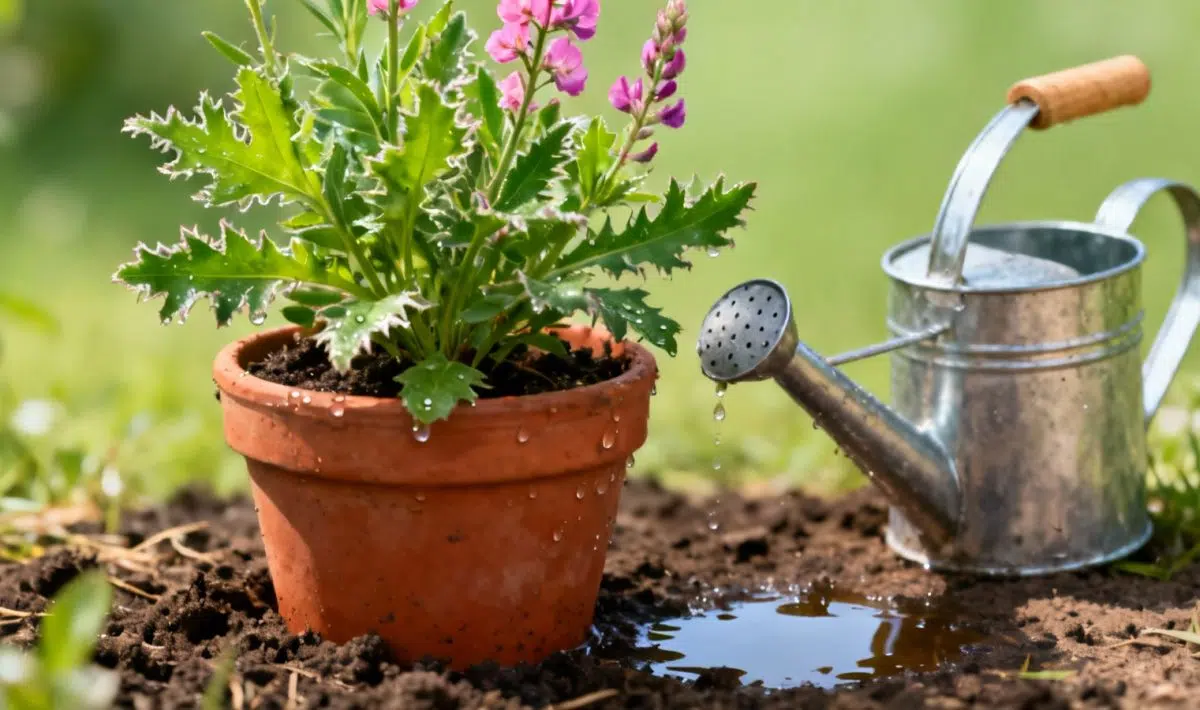
Understanding fringed willowherb watering needs
Fringed willowherb thrives with consistent moisture, but determining exactly how often should you water your fringed willowherb depends on several key factors. This hardy plant naturally grows near water sources like rivers and streams, which gives us valuable clues about its hydration preferences. During the growing season, you’ll typically need to water them once or twice weekly, though this frequency can shift based on weather conditions and soil type.
The plant’s native habitat tells us that it prefers consistently moist soil without being waterlogged. Unlike some garden plants that tolerate drought well, fringed willowherb shows its displeasure quickly when water becomes scarce. You’ll notice the leaves starting to wilt and lose their vibrant colour if they’re not getting enough hydration.
Seasonal watering patterns for optimal growth
Spring marks the beginning of active growth for fringed willowherb, and this is when you’ll need to establish a regular watering routine. As temperatures rise and daylight hours extend, the plant’s water demands increase significantly. During these early months, check the soil every few days to ensure it remains consistently moist about two inches below the surface.
Summer brings the most intensive watering period for your fringed willowherb. With higher temperatures and increased evaporation, you may find yourself watering more frequently than in other seasons. Some gardeners discover that their plants need water every other day during particularly hot spells. For those looking for efficient watering techniques across different plants, exploring watering tips for healthy arborvitae can provide valuable insights about maintaining consistent moisture levels.
Autumn signals a gradual reduction in watering frequency as the plant prepares for dormancy. You can typically reduce watering to once weekly during this period, allowing the soil to dry out slightly between waterings. Winter requires minimal intervention, with monthly checks usually sufficient unless you’re experiencing unusually dry conditions.
Soil conditions and drainage considerations
The type of soil in your garden dramatically affects how often you’ll need to water your fringed willowherb. Clay soils retain moisture longer but can become waterlogged easily, while sandy soils drain quickly and require more frequent watering. The ideal setup involves well-draining soil that still holds adequate moisture for the plant’s needs.
Testing your soil’s drainage is straightforward – dig a hole about six inches deep and fill it with water. If the water hasn’t drained within a few hours, you may have drainage issues that need addressing. Poor drainage can lead to root rot, while overly quick drainage means you’ll need to water more frequently to keep your plants happy.
Adding organic matter like compost can improve both clay and sandy soils. This amendment helps clay soils drain better while helping sandy soils retain more moisture. Many gardeners find success with this approach when growing moisture-loving plants, similar to techniques used with best watering practices for coriander where soil improvement makes a significant difference.
Recognizing proper hydration levels
Learning to read your fringed willowherb’s signals helps you maintain the right watering schedule. Healthy plants display vibrant green foliage and upright growth patterns. The leaves should feel firm to the touch, and new growth should appear regularly during the growing season.
Overwatering symptoms include yellowing leaves that feel soft or mushy, fungal growth around the base, and a generally droopy appearance despite moist soil. If you notice these signs, reduce watering frequency and ensure your soil has adequate drainage. Sometimes the issue isn’t how often you water, but how much water you apply each time.
Underwatering presents differently, with leaves becoming crisp and brown around the edges, stems appearing brittle, and the plant developing a generally wilted appearance. During hot weather, these symptoms can appear quickly, so regular monitoring becomes essential. Understanding these signs helps you adjust your watering routine before serious damage occurs.
Efficient watering techniques and tools
The method you choose for watering can be just as important as the frequency. Deep, less frequent watering encourages stronger root development compared to light, daily sprinkling. Apply water slowly and thoroughly, allowing it to penetrate deep into the soil rather than running off the surface.
Mulching around your fringed willowherb helps retain soil moisture and reduces the frequency of watering needed. A two-inch layer of organic mulch like shredded bark or compost works well. This technique proves beneficial for many garden plants, and you can see similar principles applied when considering watering guidelines for flourishing chives where moisture retention plays a crucial role.
Early morning watering proves most effective, as it allows plants to absorb moisture before the day’s heat increases evaporation rates. Avoid watering in the evening when possible, as this can promote fungal diseases in humid conditions. If morning watering isn’t practical, late afternoon works better than evening timing.
Environmental factors affecting watering needs
Wind, humidity, and temperature all influence how quickly soil moisture evaporates and how much water your fringed willowherb actually needs. Windy locations require more frequent watering as the constant air movement increases transpiration rates. Similarly, low humidity conditions mean you’ll need to water more often than in naturally humid environments.
Container-grown fringed willowherb has different requirements compared to garden-planted specimens. Pots dry out much faster, often requiring daily watering during summer months. However, they also provide better drainage control, which can be advantageous in areas with heavy clay soil or poor natural drainage.
Consider your local climate patterns when establishing a watering routine. Areas with regular rainfall may require minimal supplemental watering, while regions experiencing drought conditions need more intensive management. Weather forecasting can help you adjust your watering schedule proactively rather than reactively. The same environmental awareness applies to other moisture-sensitive plants, as demonstrated in optimal watering for white clover growth where climate considerations prove equally important.
Monitoring and adjusting your watering routine
Successful fringed willowherb care involves ongoing observation and adjustment of your watering practices. Keep notes about what works best in your specific conditions, including seasonal variations and how your plants respond to different watering frequencies. This record-keeping helps you refine your approach over time.
Regular soil testing with a simple moisture meter or even just your finger can prevent both over and under-watering. Stick your finger about two inches into the soil near the plant’s base – it should feel consistently moist but not soggy. This hands-on approach often proves more reliable than following rigid schedules.
Remember that young plants typically need more frequent watering than established ones with developed root systems. As your fringed willowherb matures, you may find that you can gradually reduce watering frequency while maintaining the same overall health and vigour.

Allan is a lifelong gardening enthusiast who still gets excited when the first seedlings pop up in spring. With a deep love for nature and a hands-in-the-soil approach, he shares practical tips, plant discoveries, and clever tricks picked up over years of digging, planting, and observing. Whether you’re a new gardener or have a shed full of tools, Allan writes like a neighbor who’s always happy to swap cuttings and stories over the fence.
You can find more about Allan’s work on Malt or connect with him on LinkedIn.


