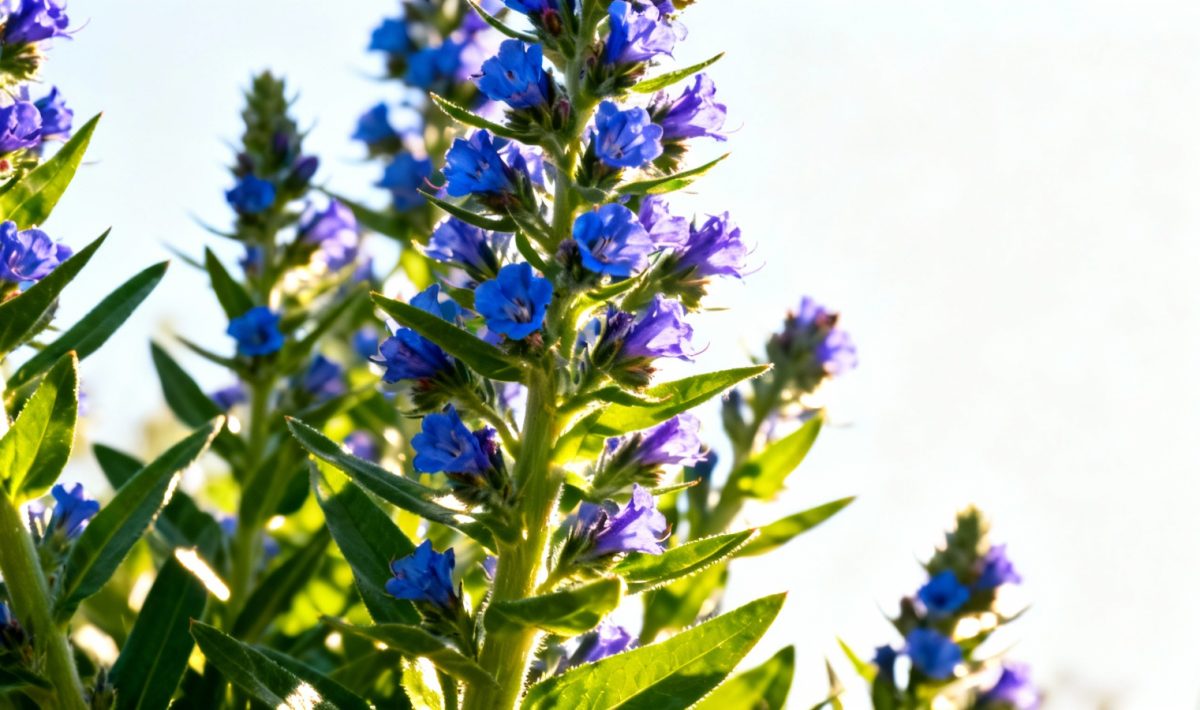
Viper’s bugloss (Echium vulgare) is a stunning perennial that produces magnificent blue flowers, making it a fantastic addition to any garden. This hardy plant thrives in specific light conditions, and understanding how much sunlight does viper’s bugloss need is crucial for successful cultivation. The key to growing healthy, blooming viper’s bugloss lies in providing the right amount of direct sunlight throughout the growing season.
This beautiful flower requires full sun exposure to reach its full potential. When given adequate light conditions, viper’s bugloss rewards gardeners with abundant blue blooms that attract pollinators and add vibrant color to garden spaces. The plant’s natural habitat preferences make it an excellent choice for sunny locations where other flowers might struggle.
Optimal sun exposure for viper’s bugloss
Viper’s bugloss performs best with at least 6 to 8 hours of direct sunlight daily. This sun-loving plant needs unfiltered morning through afternoon light to develop strong stems and produce its characteristic blue flowers. Full sun exposure encourages vigorous growth and maximizes blooming potential throughout the flowering season.
The plant tolerates partial shade but will show reduced flowering and weaker growth. In areas with intense summer heat, providing some afternoon shade can prevent stress while still maintaining good overall light levels. However, morning sun is absolutely essential for proper plant development and flower production.
When planning your garden layout, choose south or west-facing positions that receive consistent sunlight. Just as sunlight requirements for healthy coriander vary by plant type, understanding viper’s bugloss specific needs ensures successful cultivation.
Growing conditions beyond sunlight
While sunlight is primary, viper’s bugloss also requires well-draining soil to thrive. This plant prefers sandy or gravelly soils that don’t retain excess moisture. Good drainage prevents root problems and allows the plant to establish strong root systems that support abundant flowering.
The soil doesn’t need to be particularly fertile, as viper’s bugloss actually performs well in poor to moderate soil conditions. Over-rich soils can encourage excessive foliage growth at the expense of flower production. A slightly alkaline to neutral pH range suits this plant perfectly.
Consider companion planting with other sun-loving species that have similar water and soil requirements. Unlike plants such as optimal sunlight for Easter lily, viper’s bugloss thrives in drier conditions once established.
Planting and establishing viper’s bugloss
Starting viper’s bugloss from seeds offers the best value and allows you to grow multiple plants cost-effectively. Organic seeds provide excellent germination rates when planted in appropriate conditions. Sow seeds directly in spring after the last frost date for your growing zones.
Plant seeds at a depth of about 1/4 inch in well-prepared soil. Space plantings 12 to 18 inches apart to allow for mature plant spread. Water gently after planting and maintain consistent moisture until germination occurs, typically within 10 to 14 days.
Young plants establish more quickly when given consistent care during their first growing season. However, avoid overwatering as this can lead to weak growth and potential root problems. Once established, viper’s bugloss becomes quite drought-tolerant and requires minimal ongoing maintenance.
Caring for established plants
Mature viper’s bugloss plants are remarkably low-maintenance when grown in suitable conditions. They require minimal watering once established, making them excellent choices for water-wise gardens. The deep taproot system allows plants to access moisture from lower soil levels.
Deadheading spent flowers encourages continued blooming throughout the season. However, leaving some seed heads allows for natural self-seeding, which can create beautiful naturalized colonies over time. This self-seeding characteristic makes viper’s bugloss valuable for creating sustainable garden ecosystems.
Unlike more delicate species such as cabbage tree sunlight needs, viper’s bugloss requires minimal intervention once established. Regular weeding around young plants helps them compete effectively until they reach maturity.
Benefits for pollinators and garden ecology
Viper’s bugloss flowers provide excellent nectar sources for bees, butterflies, and other beneficial insects. The blue blooms are particularly attractive to bumblebees and honey bees, making this plant valuable for supporting pollinator populations. Growing pollinator-friendly flowers like viper’s bugloss contributes to healthy garden ecosystems.
The long flowering period, typically from late spring through summer, provides consistent food sources when many other plants have finished blooming. This extended flowering makes viper’s bugloss particularly valuable in pollinator gardens and wildlife-friendly landscapes.
Unlike houseplants such as lucky bamboo sunlight requirements, viper’s bugloss serves outdoor ecological functions while requiring minimal care. Its ability to thrive in challenging conditions makes it excellent for naturalizing in appropriate areas.
Common growing challenges and solutions
Insufficient sunlight is the most common cause of poor performance in viper’s bugloss. Plants grown in too much shade develop weak, elongated stems and produce fewer flowers. If your planting location receives less than 6 hours of direct sun, consider relocating plants or choosing a more suitable site.
Overwatering can also cause problems, leading to root rot or fungal issues. These plants prefer slightly dry conditions and excellent drainage. If you notice yellowing leaves or weak growth, check soil moisture levels and adjust watering accordingly.
In extremely hot climates, some afternoon shade can prevent stress without significantly reducing flowering. However, morning sun remains essential for proper plant development and bloom production throughout the growing season.
Allan is a lifelong gardening enthusiast who still gets excited when the first seedlings pop up in spring. With a deep love for nature and a hands-in-the-soil approach, he shares practical tips, plant discoveries, and clever tricks picked up over years of digging, planting, and observing. Whether you’re a new gardener or have a shed full of tools, Allan writes like a neighbor who’s always happy to swap cuttings and stories over the fence.
You can find more about Allan’s work on Malt or connect with him on LinkedIn.