How often should you water viper’s bugloss for optimal growth
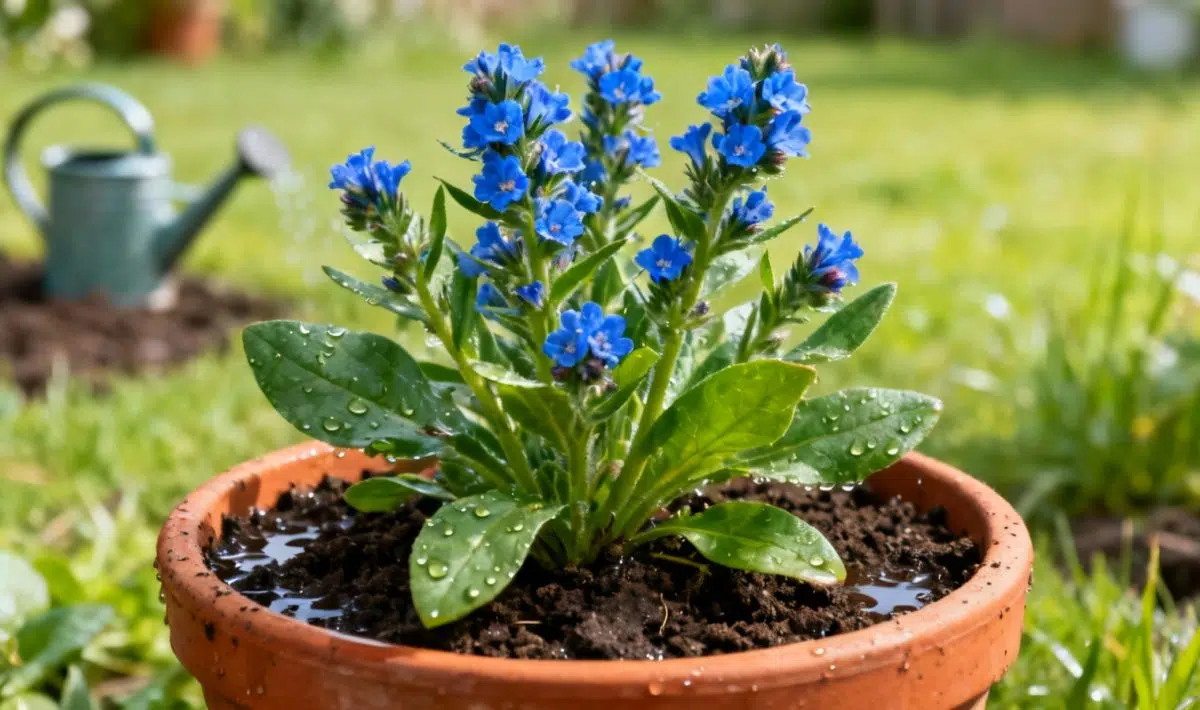
Viper’s bugloss, with its stunning violet flowers and distinctive rough leaves, has captured the hearts of gardeners seeking to bring a touch of the wild into their spaces. This remarkable plant, scientifically known as Echium plantagineum, requires careful attention to watering patterns to flourish. Understanding how often you should water your viper’s bugloss is essential for maintaining its vibrant blooms and robust health throughout the growing season.
This wild plant belongs to the borage family and displays beautiful violet flowers that attract many pollinators during the summer months. The name “bugloss” derives from ancient terms meaning “ox tongue,” referring to the plant’s rough, textured leaves that resemble the surface of an animal’s tongue. Unlike more common garden plants, viper’s bugloss has adapted to survive in challenging conditions, making it both resilient and somewhat drought-tolerant once established.
The plant’s natural habitat includes rocky slopes, disturbed soils, and coastal areas where water availability can be inconsistent. These origins have shaped its watering needs, which differ significantly from typical garden species. When cultivating this violet-flowered beauty, you’ll notice its ability to withstand periods of dryness while still producing abundant blooms when properly cared for.
Growth stages and water requirements
Young viper’s bugloss plants need more frequent watering than established specimens. During the initial weeks after planting, the developing root system requires consistent moisture to establish properly. This critical period typically lasts 4-6 weeks, during which you should water every 2-3 days if natural rainfall is insufficient.
Once the plant matures, its water needs change dramatically. Established viper’s bugloss can tolerate extended dry periods, though regular watering promotes better flowering and overall vigor. The key lies in finding the balance between providing adequate moisture and avoiding waterlogged conditions that can harm the plant.
How often should you water your viper’s bugloss throughout the seasons
The watering frequency for viper’s bugloss varies significantly with the seasons and local climate conditions. During active growth periods in spring and early summer, weekly watering sessions typically provide optimal results. However, you must adjust this schedule based on rainfall, temperature, and soil conditions in your specific location.
In hot summer weather, when the violet flowers are in full bloom, you may need to increase watering frequency to twice weekly. Monitor the soil moisture by checking the top inch of soil around the plant. If it feels dry to the touch, it’s time to water. This simple test helps prevent both under-watering and over-watering, which can stress the plant.
Similar to how to properly water garden lettuce, viper’s bugloss benefits from deep, thorough watering rather than frequent shallow applications. This approach encourages the roots to grow deeper, making the plant more drought-resistant and better able to access nutrients from the soil.
Soil type and drainage considerations
The type of soil in your garden plays a crucial role in determining watering frequency. Sandy soils drain quickly and may require more frequent watering, while clay soils retain moisture longer and need less frequent irrigation. Viper’s bugloss thrives in well-draining soil that doesn’t become waterlogged after rain or watering.
Poor drainage can lead to root rot and other fungal diseases that can kill your plant. If your soil tends to hold water, consider creating raised beds or adding organic matter to improve drainage. This wild plant naturally grows in areas with good drainage, so replicating these conditions in your garden will promote healthy growth.
Watering techniques and best practices
The method you use to water your viper’s bugloss can be just as important as the frequency. Water the plant at soil level rather than overhead to prevent fungal diseases and ensure the water reaches the roots where it’s needed most. Early morning watering is ideal because it allows the plant to absorb moisture before the heat of the day and reduces evaporation losses.
When watering, apply enough water to penetrate 6-8 inches into the soil. This deep watering technique encourages the development of a strong root system and helps the plant become more self-sufficient during dry periods. Many gardeners find success with watering tips for Egyptian starcluster techniques that can be adapted for viper’s bugloss care.
Signs of proper hydration
A well-hydrated viper’s bugloss displays vibrant violet flowers, sturdy stems, and leaves that maintain their natural green color. The plant should appear robust and upright, with new growth visible during the active growing season. These positive indicators suggest your watering schedule is meeting the plant’s needs effectively.
Conversely, signs of water stress include wilting leaves, reduced flower production, and yellowing foliage. However, be careful not to confuse natural aging of lower leaves with water stress. The plant naturally sheds older leaves as it grows, focusing energy on new growth and flower production.
Seasonal adjustments and climate factors
Your local climate significantly influences how often you should water viper’s bugloss. In humid coastal areas, the plant may require less frequent watering due to higher atmospheric moisture. Conversely, in arid regions with low humidity and intense summer heat, more frequent watering becomes necessary to maintain plant health.
During autumn and winter, reduce watering frequency as the plant enters dormancy. Many species related to viper’s bugloss, including those covered in guides about guidelines for watering common bugle, follow similar patterns of reduced water needs during cooler months.
Rainfall and natural irrigation
Natural rainfall can significantly reduce your watering responsibilities. Monitor local precipitation levels and adjust your irrigation schedule accordingly. A good rule of thumb is to provide supplemental watering when rainfall totals less than one inch per week during the growing season.
However, be mindful that gentle, steady rain is more beneficial than heavy downpours that may run off without penetrating deeply into the soil. If your area experiences heavy rainfall followed by dry periods, you may still need to provide additional watering to maintain consistent soil moisture.
Common watering mistakes to avoid
Over-watering represents one of the most common mistakes when caring for viper’s bugloss. This wild plant has evolved to handle periods of drought and can suffer when exposed to constantly wet conditions. Excessive moisture can lead to root rot, fungal diseases, and reduced flowering.
Another frequent error involves watering too frequently with small amounts of water. This practice encourages shallow root development and makes the plant more dependent on regular irrigation. Instead, water deeply but less frequently to promote strong, deep root growth that can access moisture from deeper soil layers.
Understanding these principles, similar to those used for optimal watering for wax begonia, helps create a thriving garden environment where your viper’s bugloss can flourish alongside other plants with varying water requirements.
Monitoring and adjusting your approach
Successful viper’s bugloss cultivation requires ongoing observation and adjustment of your watering practices. Keep notes about how your plant responds to different watering frequencies and amounts. This record-keeping helps you refine your approach and develop a watering schedule perfectly suited to your specific growing conditions.
Pay attention to weather forecasts and adjust your watering schedule accordingly. Extended periods of hot, dry weather may require increased watering frequency, while cool, humid conditions or predicted rainfall may allow you to skip scheduled watering sessions. This adaptive approach ensures your plant receives optimal care throughout the growing season while avoiding waste and over-watering.
Allan is a lifelong gardening enthusiast who still gets excited when the first seedlings pop up in spring. With a deep love for nature and a hands-in-the-soil approach, he shares practical tips, plant discoveries, and clever tricks picked up over years of digging, planting, and observing. Whether you’re a new gardener or have a shed full of tools, Allan writes like a neighbor who’s always happy to swap cuttings and stories over the fence.
You can find more about Allan’s work on Malt or connect with him on LinkedIn.