Today, let’s dive into the fascinating world of Erigeron canadensis, commonly known as horseweed or Canada fleabane. This remarkable plant species belongs to the Asteraceae family and has quite a story to tell. Originally from North America, this annual herb has made its way across the globe, establishing itself as both a valuable ecological player and a formidable agricultural challenge.
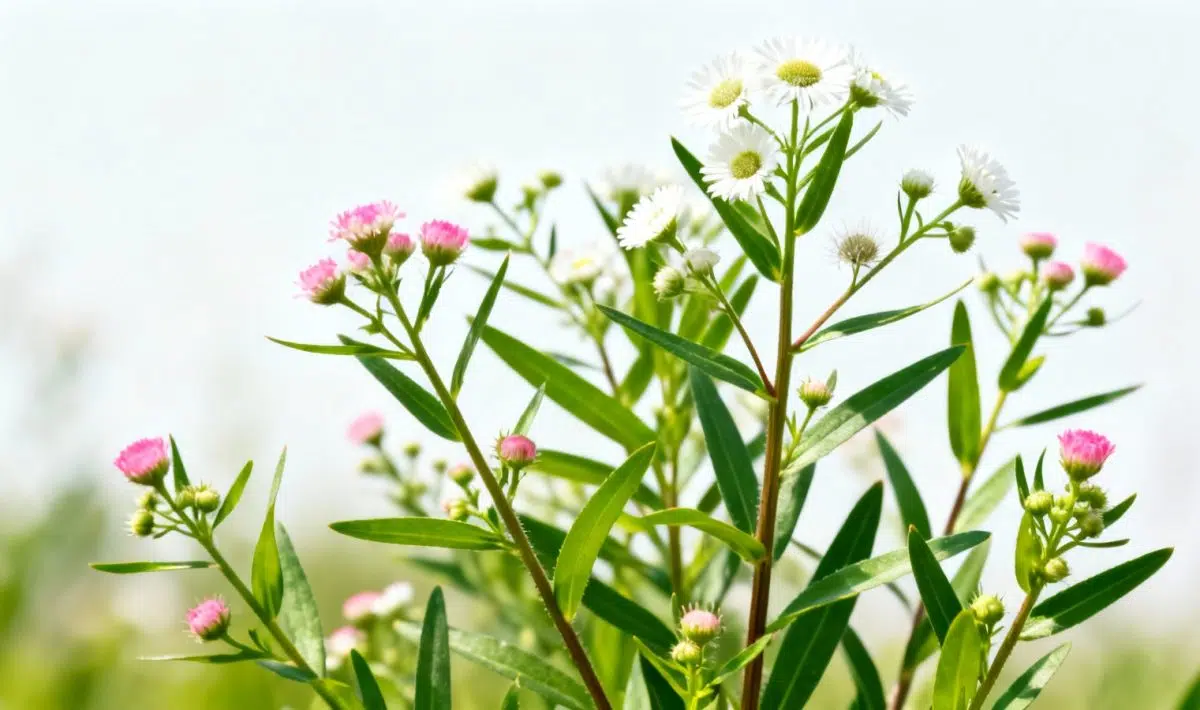
The species presents striking characteristics that make it easily recognizable in the field. Standing anywhere from 10 cm to an impressive 2 meters tall, horseweed displays a distinctive upright growth habit with its grayish-green, pubescent stem that releases a characteristic lemony or cumin-like fragrance when crushed. This unique scent comes from limonene compounds present in the plant tissues.
Origin and distribution
Horseweed originated in the vast landscapes of North America, where it evolved as part of native ecosystems. However, since the early 20th century, this adaptable species has naturalized throughout Europe and many other continents. The plant’s remarkable ability to colonize disturbed soils and various habitats has contributed to its widespread distribution across different climatic zones.
Understanding the geographical spread of Erigeron canadensis helps us appreciate its ecological adaptability. From roadsides to agricultural fields, from urban wastelands to forest edges, this versatile plant has demonstrated an exceptional capacity to thrive in diverse environments.
Botanical characteristics and morphology
The morphological features of horseweed are quite distinctive and worth examining closely. The leaves present a lanceolate shape with serrated edges, arranged alternately along the stem in a characteristic pattern. These leaves, like the stem, are covered with fine pubescent hairs that give the entire plant its grayish appearance.
The inflorescences form small capitules measuring 3-5 mm in diameter, creating dense paniculate clusters at the top of the plant. Each capitule contains yellow tubular flowers in the center surrounded by tiny whitish ligulate flowers on the periphery. This flower arrangement is typical of the Asteraceae family and plays a crucial role in the plant’s reproductive success.
Reproductive cycle and seed production
One of the most remarkable aspects of Erigeron canadensis lies in its extraordinary reproductive capacity. A single plant measuring just 0.4 meters can produce approximately 2,000 seeds, while larger specimens reaching 1.5 meters can generate up to 230,000 seeds. This massive seed production explains the species’ rapid colonization abilities.
The fruits develop as small achenes measuring 1-2 mm in length, topped with a feathery pappus that enables wind dispersal over considerable distances. This anemochorous dispersal mechanism allows the species to colonize new territories efficiently, contributing to its invasive potential in many regions.
Cultural practices and growing conditions
While horseweed is often considered an unwanted adventitious species in agricultural settings, understanding its cultural requirements can be valuable for various purposes. The plant demonstrates remarkable tolerance to different soil types, though it shows a preference for well-drained, disturbed soils with moderate fertility levels.
Temperature plays a significant role in the plant’s development cycle. Erigeron canadensis can withstand a wide range of climatic conditions, from temperate to subtropical zones. The species exhibits particular resilience to drought conditions once established, making it well-suited to marginal growing environments.
For those interested in controlled cultivation, similar care principles apply as with care tips for oleander plants, particularly regarding soil drainage and environmental adaptability. The key lies in providing adequate space for the plant’s extensive root system development.
Soil requirements and site preparation
The soil preferences of horseweed are relatively flexible, though certain conditions promote optimal growth. Sandy loam to clay loam soils with pH ranging from 6.0 to 8.0 provide suitable growing conditions. Good drainage remains essential, as waterlogged conditions can lead to root rot and plant decline.
Site preparation should focus on creating disturbed soil conditions that mimic the plant’s natural preference for colonizing bare ground. Light cultivation or minimal tillage can create ideal germination conditions for those seeking to establish horseweed populations for ecological or research purposes.
Propagation methods and techniques
Propagation of Erigeron canadensis occurs primarily through seed dispersal, though understanding the optimal conditions can improve establishment success. Seeds require light for germination, so surface sowing or very shallow covering provides the best results. The germination process typically occurs within 7-14 days under favorable conditions.
Temperature requirements for successful germination range from 15-25°C, with consistent moisture levels during the initial establishment phase. Unlike more specialized propagation techniques used for tips for caring for Philodendron Birkin, horseweed propagation remains relatively straightforward due to the species’ hardy nature.
Timing plays a crucial role in propagation success. Spring sowings generally provide the most reliable results, allowing plants to establish before summer stress periods. Fall sowings can also succeed in milder climates, with plants overwintering as rosettes before rapid spring growth.
Seed collection and storage
Collecting seeds from Erigeron canadensis requires careful timing to capture them before wind dispersal occurs. Seeds reach maturity approximately 3-4 weeks after flowering, indicated by the fluffy white pappus development. Gentle shaking of mature seed heads into collection containers proves effective.
Storage conditions significantly impact seed viability. Unlike the complex propagation requirements of care and propagation of Monstera obliqua, horseweed seeds maintain viability for 1-3 years when stored in cool, dry conditions. Paper envelopes or breathable containers prevent moisture accumulation during storage.
Ecological impacts and management considerations
The ecological role of Erigeron canadensis presents both benefits and challenges depending on the context. In natural ecosystems, the species serves as an important nectar source for various pollinating insects and provides habitat for small wildlife. However, in agricultural settings, it can compete aggressively with crop plants for resources.
Management strategies must consider the plant’s biology and reproductive capacity. Mechanical control through mowing or cultivation can be effective when timed before seed production. However, the species’ ability to produce viable seeds even when stressed requires careful monitoring and repeated interventions.
Chemical control options exist for severe infestations, though integrated management approaches often prove more sustainable. Combining mechanical methods with improved crop competition and soil management can reduce horseweed pressure over time. This comprehensive approach mirrors successful management strategies used for growing Southern magnolia trees successfully, where environmental factors play crucial roles.
Beneficial aspects and uses
Despite its reputation as an adventitious species, Erigeron canadensis offers several beneficial qualities worth recognizing. The plant’s deep taproot can help break up compacted soils and bring nutrients from deeper layers to the surface. Additionally, its rapid ground coverage can provide erosion control on disturbed sites.
Traditional uses of horseweed include various medicinal applications, though these should be approached with proper knowledge and caution. The plant contains compounds such as caffeic acid, sesquiterpene lactones, and flavonoids that have attracted scientific interest for their potential therapeutic properties.
For gardeners seeking similar resilience in their plantings, species like care guidelines for Hardy fuchsia offer ornamental value with comparable hardiness, though with more controlled growth habits.
Classification and related species
The taxonomic classification of Erigeron canadensis has undergone several revisions, with some authorities placing it in the genus Conyza as Conyza canadensis. This classification debate reflects the complex relationships within the Asteraceae family and highlights the importance of understanding botanical nomenclature when researching this species.
Related species in the Conyza genus include C. bonariensis (hairy fleabane) and C. sumatrensis (tall fleabane), which share similar ecological niches and management challenges. Understanding the distinctions between these species proves essential for effective identification and targeted management strategies.
The morphological similarities among these species can create identification challenges in the field. Key distinguishing features include leaf shape, pubescence patterns, and inflorescence structure. Careful observation of these characteristics enables accurate species determination and appropriate management responses.
Allan is a lifelong gardening enthusiast who still gets excited when the first seedlings pop up in spring. With a deep love for nature and a hands-in-the-soil approach, he shares practical tips, plant discoveries, and clever tricks picked up over years of digging, planting, and observing. Whether you’re a new gardener or have a shed full of tools, Allan writes like a neighbor who’s always happy to swap cuttings and stories over the fence.
You can find more about Allan’s work on Malt or connect with him on LinkedIn.