
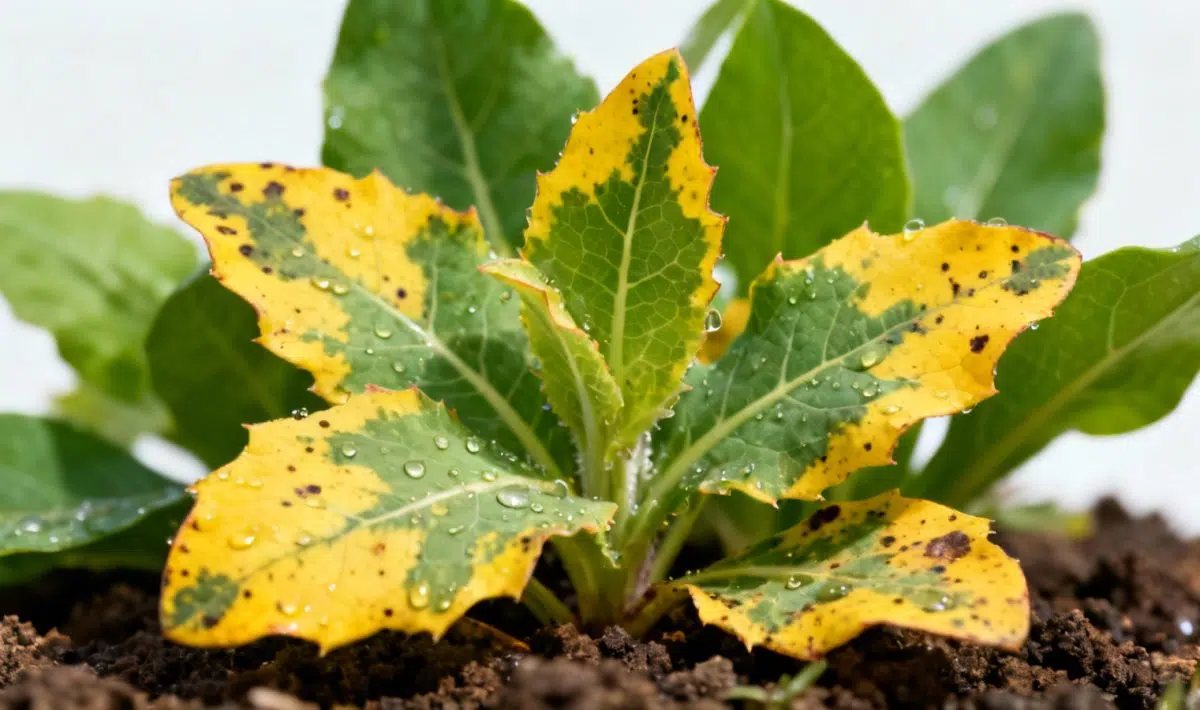
When you notice your viper’s bugloss leaves turning yellow, it’s natural to feel concerned about your plant’s health. This vibrant wildflower, known for its stunning blue flowers and wild beauty, can develop yellow foliage for several reasons. Understanding these causes will help you restore your plant’s green appearance and ensure it continues to thrive in your garden.
Yellowing leaves are often your plant’s way of signaling that something in its environment needs attention. From soil quality issues to watering problems, various factors can trigger this response. Let’s explore the most common reasons why your viper’s bugloss might be showing these warning signs.
The foundation of any healthy plant starts with good soil quality. Viper’s bugloss plants are particularly sensitive to certain soil conditions that can cause their leaves to yellow. Poor drainage is one of the most frequent culprits, as these plants prefer well-draining soil that doesn’t retain excess moisture.
Nutrient deficiencies also play a significant role in leaf discoloration. When your plant lacks essential nutrients like nitrogen, iron, or magnesium, the leaves will gradually lose their green color. This is especially common in soils that have been heavily used without proper fertilization or organic matter addition.
The pH level of your soil can dramatically impact nutrient absorption. Viper’s bugloss thrives in slightly alkaline conditions, and when the soil becomes too acidic, the plant cannot access the nutrients it needs, even if they’re present in the soil.
✅ Quick Checklist
- Is the soil too wet or too dry?
- Is the plant getting 6+ hours of sunlight daily?
- Have you fertilized in the last 2 months?
- Are there visible pests under the leaves?
- Does the pot have adequate drainage?
Diagnose your plant in one click!
AI instant diagnosis • Personalized solutions • 50,000+ species
Watering issues that cause yellow leaves
Both overwatering and underwatering can lead to yellowing leaves, but the symptoms might appear differently. When you water too frequently, the roots become waterlogged and cannot absorb oxygen properly. This leads to root rot, which manifests as yellow leaves that may feel soft or mushy to the touch.
Conversely, insufficient watering stresses the plant and forces it to sacrifice older leaves to conserve moisture for new growth. You’ll typically see yellowing start from the bottom leaves and work its way up. The affected leaves will feel dry and crispy rather than soft.
Finding the right balance is key to maintaining healthy foliage. Check the soil moisture by inserting your finger about two inches deep. The soil should feel slightly moist but not soggy, and it should drain well after watering.
Environmental factors affecting leaf color
Viper’s bugloss plants need adequate sunlight to maintain their vibrant green color. When they don’t receive enough light, typically less than six hours of direct sunlight daily, the leaves will gradually turn yellow as the plant struggles to photosynthesize effectively.
Temperature extremes can also stress your plant and trigger yellowing. While viper’s bugloss is relatively hardy, sudden temperature changes or prolonged exposure to very hot or cold conditions can cause leaf discoloration. This is particularly common when plants are grown in containers that heat up quickly in the sun.
Competition from other plants can create stress that leads to yellow leaves. When multiple plants are crowded together, they compete for nutrients, water, and sunlight. If your viper’s bugloss is struggling against more aggressive plants nearby, it may show signs of stress through yellowing foliage.
Several fungal diseases can cause yellowing in viper’s bugloss leaves. Leaf spot diseases, powdery mildew, and root rot are among the most common issues that affect this plant family. These diseases often start as small spots or patches before spreading and causing widespread yellowing.
Pest infestations, particularly from aphids, spider mites, or whiteflies, can also lead to yellow leaves. These insects feed on plant sap, weakening the plant and causing leaves to lose their green color. Look for tiny insects on the undersides of leaves or sticky honeydew residue as signs of pest activity.
Similar yellowing issues affect other plants in the garden, such as the causes of yellow Japanese honeysuckle leaves, which can help you identify patterns in your garden’s health.
Effective solutions for healthy green foliage
The best approach to treating yellow leaves starts with identifying the root cause. Begin by examining your watering habits and adjusting them to provide consistent but not excessive moisture. Ensure your plant has good drainage, whether it’s in the ground or in a container with drainage holes.
Improve soil quality by adding organic compost or well-rotted manure to provide essential nutrients naturally. This organic approach not only feeds your plant but also improves soil structure and drainage over time. Test your soil pH and adjust it if necessary using lime to increase alkalinity.
If pests or diseases are the issue, treat them promptly with appropriate organic or chemical solutions. Remove affected leaves to prevent spread, and improve air circulation around your plant to reduce humidity that encourages fungal growth.
✅ Quick Checklist
- Is the soil too wet or too dry?
- Is the plant getting 6+ hours of sunlight daily?
- Have you fertilized in the last 2 months?
- Are there visible pests under the leaves?
- Does the pot have adequate drainage?
Diagnose your plant in one click!
AI instant diagnosis • Personalized solutions • 50,000+ species
Prevention strategies for long-term plant health
Regular monitoring is your best defense against yellowing leaves. Check your plants weekly, looking for early signs of stress, pest activity, or disease symptoms. Early intervention is much more effective than trying to save a severely affected plant.
Establish a consistent care routine that includes proper watering, seasonal fertilization, and appropriate pruning. Remove spent flowers to encourage continued blooming and prevent the plant from putting energy into seed production when you want it focused on healthy foliage growth.
Consider the broader garden ecosystem when planning your plant placement. Just as you might research solutions for yellow pomegranate leaves for other plants in your garden, understanding how different species interact can help you create a healthier growing environment for all your plants.
Seasonal care adjustments are crucial for preventing yellow leaves. During hot summer months, provide extra water and consider some afternoon shade. In winter, reduce watering and protect plants from harsh winds that can stress the foliage and lead to yellowing.
With proper attention to soil quality, watering practices, and environmental conditions, your viper’s bugloss can maintain its beautiful green foliage throughout the growing season. Remember that some yellowing of older leaves is natural as plants age, but widespread or sudden yellowing indicates an issue that needs your attention. By addressing problems early and maintaining good growing conditions, you can enjoy the full beauty of this wonderful wildflower in your garden.

Allan is a lifelong gardening enthusiast who still gets excited when the first seedlings pop up in spring. With a deep love for nature and a hands-in-the-soil approach, he shares practical tips, plant discoveries, and clever tricks picked up over years of digging, planting, and observing. Whether you’re a new gardener or have a shed full of tools, Allan writes like a neighbor who’s always happy to swap cuttings and stories over the fence.
You can find more about Allan’s work on Malt or connect with him on LinkedIn.


