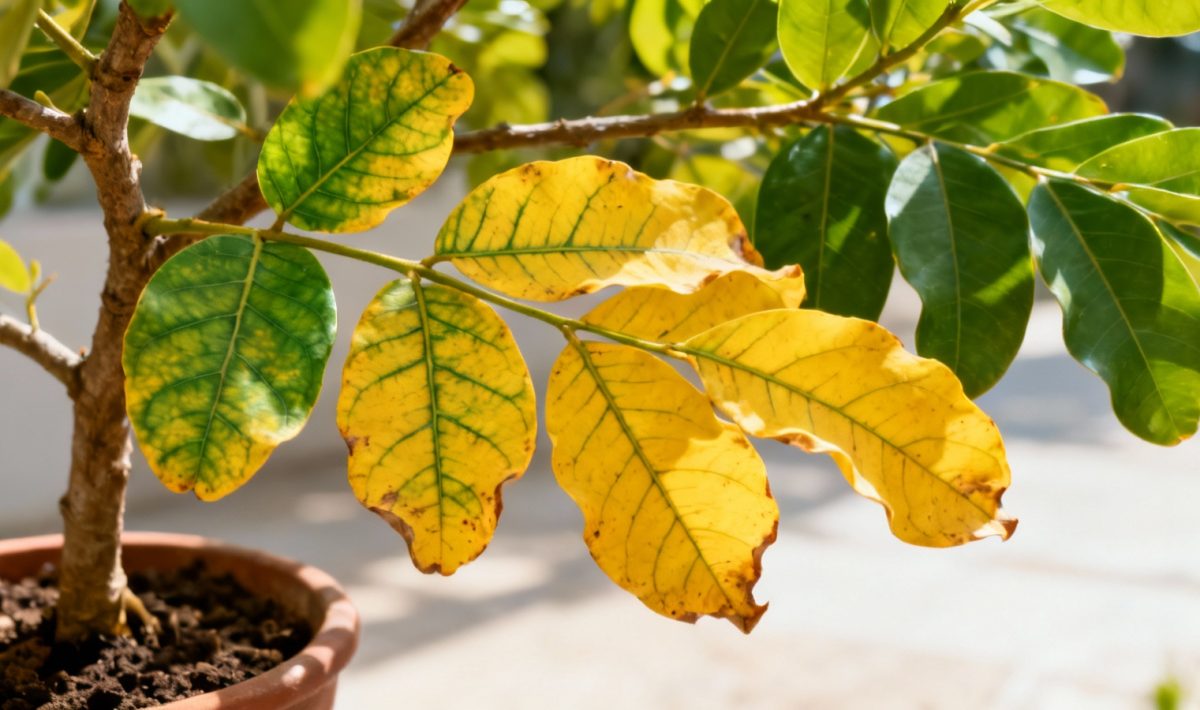
Why are my indian laurel leaves turning yellow – understanding albizia lebbek care
Seeing your beautiful Indian laurel tree with yellowing leaves can be quite concerning for any plant enthusiast. This tropical species, scientifically known as Albizia lebbek, is generally hardy but can face various challenges that manifest through yellow foliage. Understanding the underlying causes will help you restore your tree’s health and maintain its vibrant green appearance.
Yellow leaves on your Indian laurel typically indicate stress from environmental factors, watering issues, or plant health problems. However, don’t panic – with proper diagnosis and care, most of these issues are completely reversible. Let’s explore the most common reasons behind this leaf discoloration and how to address them effectively.
The most common culprit behind yellow leaves is improper watering practices. Your Indian laurel tree needs well-draining soil that stays consistently moist but never waterlogged. When the soil retains too much water for extended periods, the roots can’t access oxygen properly, leading to root rot and subsequent yellowing of foliage.
Check your soil quality by inserting your finger about two inches deep. If it feels soggy or has standing water, you’re likely overwatering your plant. On the flip side, completely dry soil can also cause stress and yellow leaves as the tree struggles to maintain its life processes without adequate moisture.
The pH level of your soil plays a crucial role in nutrient absorption. Albizia lebbek prefers slightly acidic to neutral soil with a pH between 6.0 and 7.0. When the pH is too high or too low, essential nutrients become unavailable to the plant, resulting in yellowing leaves that often show nutrient deficiency patterns.
Light exposure and environmental factors
Indian laurel trees thrive in bright, indirect sunlight and need at least six hours of quality light daily. Insufficient light can cause leaves to turn yellow as the plant struggles with photosynthesis. However, sudden exposure to intense direct sunlight can also cause leaf burn, which initially appears as yellowing before progressing to brown, crispy edges.
Temperature stress is another significant factor in leaf yellowing. These tropical plants prefer stable temperatures between 65-80°F (18-27°C). Cold drafts, sudden temperature drops, or exposure to temperatures below 50°F (10°C) can shock the plant and trigger yellow leaf development.
Humidity levels affect your tree’s overall health and leaf color. During dry periods or in heated indoor environments, low humidity can stress the plant. Aim for humidity levels between 50-60% to maintain optimal growing conditions for your species.
Common pests and diseases affecting leaf color
Several pests can cause yellowing leaves on your Indian laurel. Spider mites are particularly troublesome, creating tiny yellow spots that eventually merge into larger yellow areas. These microscopic pests thrive in dry conditions and can quickly spread throughout your plant if not addressed promptly.
Aphids are another common pest that can cause leaf yellowing. These small insects feed on plant sap, weakening the tree and causing leaves to turn yellow and drop. Similar yellowing patterns can occur with causes of yellow leaves on honeysuckle, where pest infestations create comparable symptoms across different plant species.
Fungal infections can also manifest as yellowing leaves, often accompanied by dark spots or unusual discoloration patterns. Root rot, caused by overwatering and poor drainage, prevents proper nutrient uptake and leads to systematic yellowing that typically starts with older leaves first.
Nutrient deficiencies and fertilization issues
Nitrogen deficiency is one of the most common nutritional causes of yellow leaves. When your plant doesn’t receive adequate nitrogen, older leaves turn yellow first as the tree mobilizes nutrients to support new growth. This natural process becomes problematic when it affects the entire plant.
Iron deficiency creates a distinctive yellowing pattern where leaf veins remain green while the areas between them turn yellow. This condition, called chlorosis, often occurs when soil pH is too high or when the plant can’t properly absorb iron from the soil.
Over-fertilization can be just as damaging as nutrient deficiency. Excessive fertilizer, particularly high-nitrogen formulations, can burn roots and disrupt the plant’s natural nutrient balance. This stress often manifests as yellowing leaves that may also show brown tips or edges.
✅ Quick Checklist
Is the soil too wet or too dry?
Is the plant getting 6+ hours of sunlight daily?
Have you fertilized in the last 2 months?
Are there visible pests under the leaves?
Does the pot have adequate drainage?
🔥 FREE
📱
Diagnose your plant in one click!
AI instant diagnosis • Personalized solutions • 50,000+ species
Start by establishing a consistent watering routine that keeps the soil evenly moist without waterlogging. Water deeply but less frequently, allowing the top inch of soil to dry between waterings. This approach encourages healthy root development and prevents both overwatering and underwatering stress.
Improve drainage by adding perlite or coarse sand to your potting mix if you’re growing your tree in containers. For outdoor plants, ensure proper grading around the tree to prevent water accumulation. Good drainage is essential for preventing root rot and maintaining healthy soil ecology that supports optimal plant growth.
Regular monitoring is crucial for early detection of problems. Examine your plant weekly, paying attention to leaf color, soil moisture, and signs of pest activity. Similar monitoring practices help identify issues with yellowing indian shot leaves, demonstrating how consistent observation prevents minor issues from becoming major problems.
Long-term care for healthy growth
Maintain optimal growing conditions by providing consistent care throughout the year. During active growing seasons, feed your Indian laurel with a balanced, slow-release fertilizer to ensure steady nutrient availability. Avoid fertilizing during dormant periods when the plant’s nutrient requirements are naturally reduced.
Pruning plays an important role in maintaining plant health and preventing disease spread. Remove yellowing leaves promptly to redirect the plant’s energy toward healthy foliage. Sterilize your pruning tools between cuts to prevent spreading any potential pathogens that could compromise your tree’s health.
Create a stable environment by protecting your plant from extreme temperature fluctuations, drafts, and sudden environmental changes. Gradual adjustments to lighting, watering, or location help your tree adapt without experiencing stress that could trigger leaf yellowing. With proper attention to these environmental factors, your Indian laurel will develop strong resilience against common stressors that affect leaf color and overall plant vitality.
Allan is a lifelong gardening enthusiast who still gets excited when the first seedlings pop up in spring. With a deep love for nature and a hands-in-the-soil approach, he shares practical tips, plant discoveries, and clever tricks picked up over years of digging, planting, and observing. Whether you’re a new gardener or have a shed full of tools, Allan writes like a neighbor who’s always happy to swap cuttings and stories over the fence.
You can find more about Allan’s work on Malt or connect with him on LinkedIn.