Confederate rose – hibiscus mutabilis: care, characteristics, culture, propagation
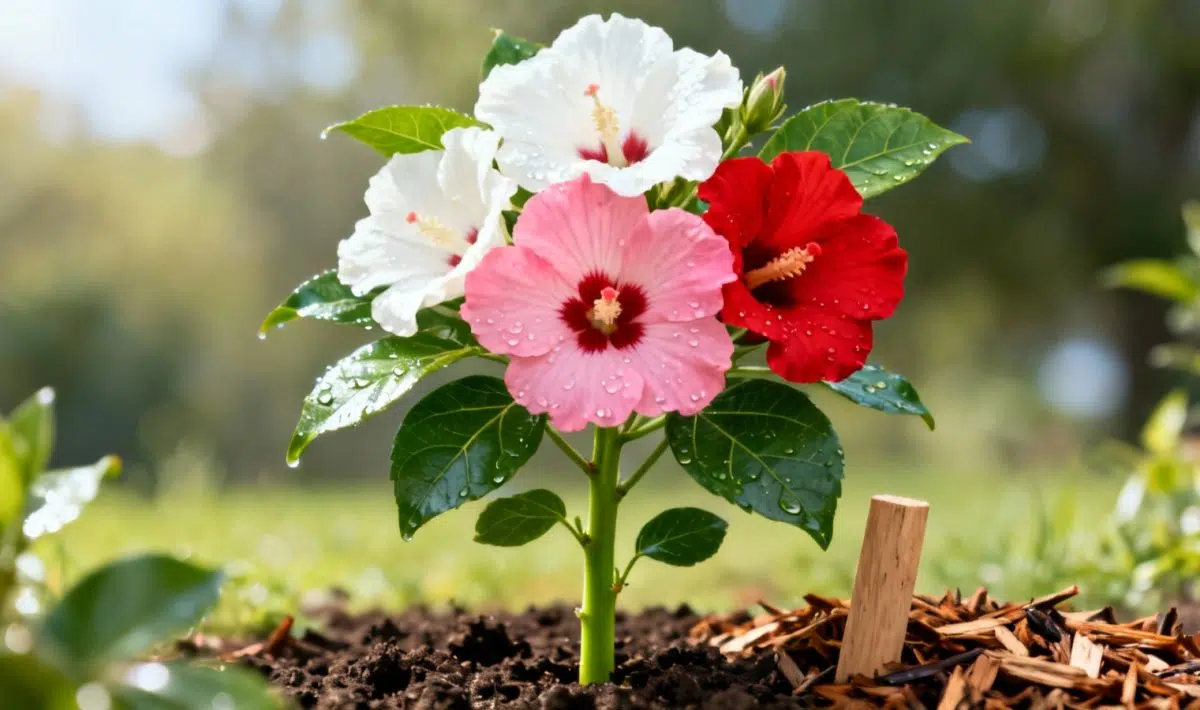
The Confederate rose (Hibiscus mutabilis) is truly one of nature’s most magical performers. This remarkable plant captures gardeners’ hearts with flowers that transform throughout the day – opening white in the morning, blushing pink by noon, and deepening to rich red by evening. Each bloom lasts just one day, but the spectacle continues for months during its autumn flowering season.
Understanding the Confederate rose characteristics
This vigorous shrub naturally grows 8-15 feet tall in ideal conditions, though you can easily maintain it at a more manageable size with regular pruning. The large, heart-shaped leaves provide an attractive backdrop for the stunning flowers, which measure 4-6 inches across when fully open. What makes this hibiscus truly special is its changing flower color – a phenomenon that occurs due to pH changes in the petals as the day progresses.
The plant originates from China and has adapted beautifully to temperate climates worldwide. Despite its name suggesting Southern origins, this rose-like hibiscus thrives in zones 7-10 and can survive winters down to about 10°F with proper protection. The shrub produces woody stems that may die back in harsh winters but typically regenerates from the root system come spring.
Similar to how gardeners appreciate care tips for Oleander plants for their resilience, the Confederate rose offers durability combined with spectacular beauty. Its flowers bloom from late summer through fall, providing color when many other plants are finishing their seasonal display.
Creating optimal growing conditions
Your Confederate rose will flourish in full sun to partial shade, though morning sun with afternoon protection works best in extremely hot climates. The plant adapts to various soil types but absolutely requires good drainage to prevent root rot. A slightly acidic to neutral pH between 6.0-7.0 creates the perfect environment for healthy growth and vibrant blooms.
When selecting a planting location, ensure adequate space for the mature size. These plants spread as wide as they grow tall, so plan accordingly. If you’re growing in a pot, choose a container at least 20 inches wide with multiple drainage holes. Use a quality potting mix combined with compost for optimal nutrition and drainage.
Water requirements vary by season and establishment. Newly planted specimens need consistent moisture for the first year, while established plants show impressive drought tolerance. During active growth and flowering periods, maintain moderate soil moisture without waterlogging. Reduce watering significantly during winter dormancy when the plant naturally slows its metabolism.
Seasonal care requirements
Spring marks the beginning of active growth when you should apply a balanced fertilizer to encourage healthy development. As new growth emerges, gradually increase watering and begin regular feeding every 4-6 weeks during the growing season. This timing supports the energy-intensive process of producing those magnificent color-changing flowers.
Summer care focuses on maintaining consistent moisture and watching for pest issues. While generally hardy, Confederate roses can attract aphids and spider mites during hot, dry periods. Regular inspection and prompt treatment with insecticidal soap or neem oil prevents serious infestations. Much like learning how to care for Philodendron Birkin requires attention to specific needs, this hibiscus benefits from attentive summer monitoring.
Fall brings the spectacular flowering season when your patience throughout the year pays off magnificently. Continue regular watering and feeding until the first frost approaches. After blooming ends, reduce fertilizing to help the plant prepare for winter dormancy.
Pruning and winter preparation
Pruning timing significantly impacts next year’s bloom production since Confederate roses flower on new wood. Late winter or early spring, before new growth begins, provides the ideal pruning window. Remove dead, damaged, or crossing branches first, then shape the plant as desired.
You can prune quite severely if needed – these plants respond well to hard pruning and will regenerate vigorously. Some gardeners prefer to maintain a more compact form by cutting back by one-third annually, while others allow natural growth with minimal intervention. Both approaches work well depending on your garden space and aesthetic preferences.
Winter protection varies by climate zone. In borderline hardy areas, apply a thick mulch layer around the base after the first hard frost kills back the top growth. Some gardeners wrap the main stems with burlap or cover the entire plant with frost cloth during extreme cold snaps. Container plants should move to a protected location like an unheated garage once dormancy begins.
Propagation methods and techniques
Growing new Confederate rose plants from seeds offers an exciting way to expand your collection, though flower colors may vary from the parent plant. Collect seeds from the dried seed pods after they split open naturally. Soak seeds overnight before planting in a quality seed-starting mix, maintaining warm temperatures around 70-75°F for optimal germination.
Softwood cuttings taken in late spring or early summer provide a more reliable propagation method that preserves the parent plant’s characteristics. Take 4-6 inch cuttings from healthy new growth, remove lower leaves, and dip in rooting hormone before placing in moist potting mix. Cover with plastic to maintain humidity and keep in bright, indirect light until roots develop.
Just as gardeners find success with growing tips for China Rose through careful propagation, Confederate roses reward patient growers with excellent results. Root cuttings typically within 4-6 weeks under proper conditions.
Managing young plants
Newly propagated plants require gentle care during their first growing season. Keep soil consistently moist but never waterlogged, and provide bright light without direct afternoon sun until they’re well established. Pinch growing tips occasionally to encourage bushy growth rather than single-stem development.
Transplant seedlings or rooted cuttings to individual pots once they reach 4-6 inches tall. Use a well-draining potting mix and gradually acclimate them to outdoor conditions over a week before final planting. Young plants may not flower until their second or third year, so patience rewards you with better establishment.
Companion planting and landscape uses
Confederate roses work beautifully as specimen plants, focal points in mixed borders, or informal hedge plantings. Their late-season blooming makes them valuable for extending garden color into fall when many perennials are finishing. Plant them alongside other late bloomers like asters, chrysanthemums, and ornamental grasses for a stunning autumn display.
Consider the mature size when planning companion plantings. Lower-growing perennials and annuals work well planted in front, while the Confederate rose provides an excellent backdrop for shorter plants. Some gardeners pair them with other hibiscus varieties or care guide for Monstera obliqua for tropical-themed gardens in appropriate climates.
The plant’s ability to attract butterflies and hummingbirds adds wildlife value to your landscape. Its nectar-rich flowers provide late-season food sources when these creatures prepare for migration or winter survival. However, deer typically avoid Confederate roses, making them excellent choices for areas where browsing creates gardening challenges.
Troubleshooting common issues
Poor flowering often results from insufficient sunlight, excessive nitrogen fertilization, or improper pruning timing. Ensure your plant receives at least 6 hours of direct sunlight daily and avoid high-nitrogen fertilizers that promote leaf growth at the expense of blooms. Prune only during the dormant season to avoid removing flower buds.
Leaf yellowing can indicate several issues: overwatering, underwatering, nutrient deficiency, or natural seasonal changes. Check soil moisture levels and drainage, then adjust watering practices accordingly. Apply a balanced fertilizer if nutrient deficiency seems likely, though autumn yellowing before leaf drop is completely normal.
Much like understanding growing Southern Magnolia effectively requires recognizing seasonal patterns, Confederate rose care involves accepting natural cycles. These resilient plants typically recover well from most stress factors once proper conditions are restored.
With proper care and attention, your Confederate rose will become a cherished garden centerpiece, delighting you and visitors with its daily color transformation show. The combination of easy care requirements, spectacular flowers, and reliable performance makes this hibiscus an outstanding choice for gardeners seeking something truly special for their landscape.
Allan is a lifelong gardening enthusiast who still gets excited when the first seedlings pop up in spring. With a deep love for nature and a hands-in-the-soil approach, he shares practical tips, plant discoveries, and clever tricks picked up over years of digging, planting, and observing. Whether you’re a new gardener or have a shed full of tools, Allan writes like a neighbor who’s always happy to swap cuttings and stories over the fence.
You can find more about Allan’s work on Malt or connect with him on LinkedIn.