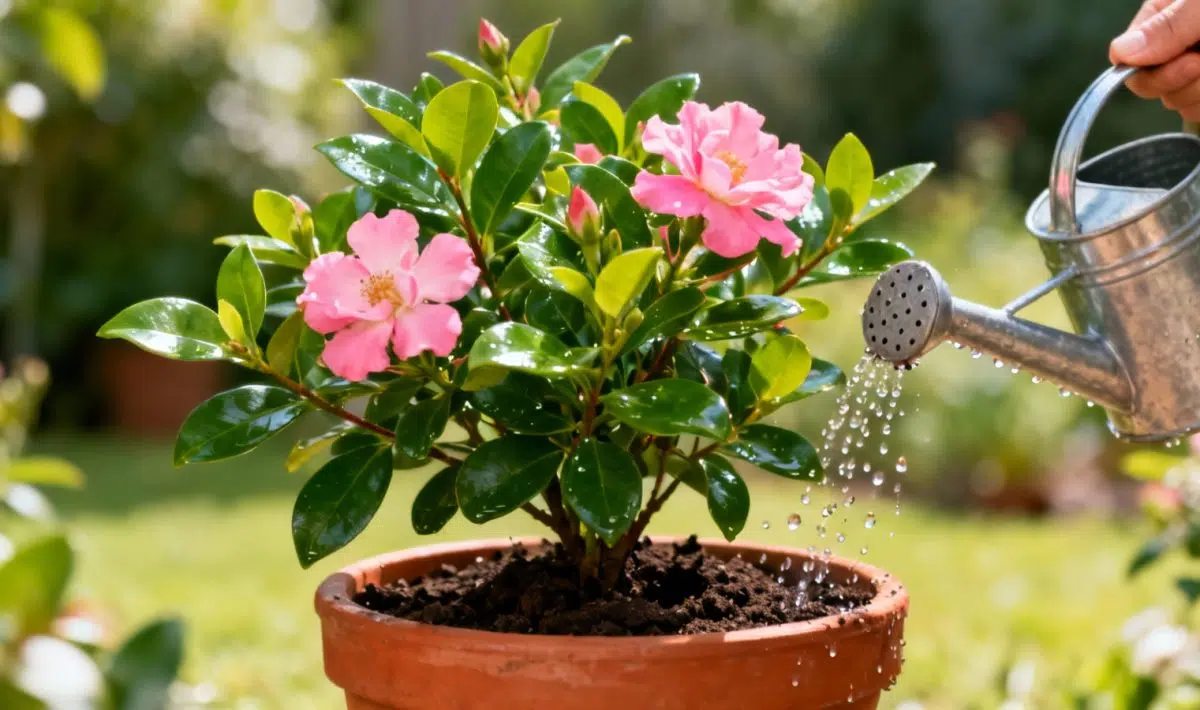
Understanding the Confederate rose and its water needs
The Confederate rose (Hibiscus mutabilis) stands out as one of the most captivating flowering shrubs you can grow in your garden. This remarkable plant demands consistent moisture throughout its growing season, making proper watering essential for those spectacular color-changing blooms. Understanding how often should you water your Confederate rose requires looking at several key factors that influence its hydration needs.
Native to China but historically significant in the American South, this hardy hibiscus thrives with regular attention to its water requirements. The plant’s large, soft leaves and abundant flowering habit mean it loses moisture quickly, especially during warm weather. For optimal growth, you’ll need to monitor soil conditions closely and adjust your watering schedule based on seasonal changes and environmental factors.
Seasonal watering schedules for Confederate roses
During spring and summer months, your Confederate rose enters its most active growing phase. This period typically requires watering 2-3 times per week, depending on rainfall and temperature conditions. However, the key lies in checking soil moisture rather than following a rigid schedule.
Summer heat intensifies water needs significantly. In particularly hot regions, daily watering might become necessary to prevent stress. The plant’s shallow root system makes it especially vulnerable to drought conditions. Similarly, when caring for other moisture-loving plants, understanding watering frequency for common bugle plants can help you develop better garden hydration practices.
Fall brings a gradual reduction in watering frequency as temperatures cool and growth slows. Reduce watering to once or twice weekly, allowing the plant to prepare for its dormant period. Winter watering becomes minimal in most climates, with occasional deep watering only when soil becomes completely dry.
Signs your Confederate rose needs water
Learning to read your plant’s signals prevents both under and over-watering. Wilting leaves during morning hours indicate immediate water needs, while slightly drooping foliage in afternoon heat is often normal. Check soil moisture by inserting your finger 2-3 inches deep into the soil around the root zone.
Healthy Confederate roses display vibrant green foliage and abundant bud formation. When water-stressed, leaves may develop brown edges or drop prematurely. Just as you would monitor optimal water needs for wax begonias in your garden, paying attention to these visual cues helps maintain plant health.
Proper watering techniques for best results
Deep, thorough watering proves more beneficial than frequent shallow applications. Water slowly at the base of the plant, allowing moisture to penetrate the root zone completely. This encourages deeper root development and improves drought tolerance over time.
Early morning watering works best, giving plants time to absorb moisture before daily heat peaks. Avoid watering leaves directly, as wet foliage can promote fungal diseases. Instead, focus water application around the drip line where feeder roots concentrate.
Container-grown Confederate roses require more frequent attention than garden-planted specimens. Pots dry out faster, especially in hot weather or windy conditions. Consider using drip irrigation or soaker hoses for consistent moisture delivery without water waste.
Soil conditions and drainage considerations
Well-draining soil prevents root rot while retaining adequate moisture for plant needs. Confederate roses prefer slightly acidic to neutral soil with good organic content. Heavy clay soils may require amendments to improve drainage and prevent waterlogged conditions.
Adding compost or aged manure improves soil structure and water retention capacity. These organic materials help soil hold moisture longer while still allowing excess water to drain away. This balanced approach works well with various plants, including understanding water requirements for Ghost plants that have different moisture needs.
Common watering mistakes to avoid
Overwatering ranks as the most common error with Confederate roses. Constantly soggy soil leads to root rot, yellowing leaves, and eventual plant death. Allow soil to dry slightly between waterings, especially during cooler months when growth slows.
Inconsistent watering creates stress cycles that weaken plants and reduce flowering. Establish a routine checking schedule rather than watering randomly. This consistency helps plants develop strong root systems and improves overall resilience.
Watering too late in the day leaves foliage wet overnight, increasing disease risk. Similarly, using overhead sprinklers wastes water and promotes leaf problems. Focus water application at soil level for maximum efficiency and plant health.
Troubleshooting water-related problems
Yellow leaves often indicate either overwatering or poor drainage rather than nutrient deficiency. Check soil moisture levels and improve drainage if necessary. Brown leaf edges typically suggest underwatering or low humidity conditions.
Stunted growth or poor flowering may result from irregular watering patterns. Confederate roses need consistent moisture for optimal bloom production. Mulching around plants helps maintain even soil moisture while reducing evaporation. When managing multiple plant species, learning about care tips for turtle vine watering can complement your overall garden watering strategy.
Climate considerations and regional differences
Hot, humid climates naturally support Confederate rose growth but may require more frequent watering during dry spells. Desert regions present challenges with low humidity and intense heat, necessitating daily watering during summer months.
Coastal areas benefit from higher humidity but may experience salt spray damage if too close to the ocean. Northern climates require container growing for winter protection, which changes watering needs significantly compared to year-round outdoor cultivation.
Understanding your local climate helps determine the most appropriate watering schedule. Plants in naturally humid environments need less supplemental water than those in arid regions. Wind exposure also affects moisture loss, requiring adjustments to standard watering recommendations.
Seasonal care tips beyond watering
Spring preparation includes checking irrigation systems and mulching around plants for moisture retention. Summer care focuses on maintaining consistent hydration while monitoring for pest and disease issues. Fall activities include gradual watering reduction and preparing plants for dormancy.
Winter care varies by climate but generally involves minimal watering for dormant plants. This comprehensive approach to plant care extends to other garden favorites, such as learning best watering practices for English ivy throughout the seasons.
Long-term success with Confederate roses
Establishing proper watering habits from planting ensures healthy plant development for years to come. Young plants require more frequent attention while developing root systems, but mature specimens become more drought tolerant with proper care.
Regular monitoring and adjustment of watering practices based on plant response creates the foundation for spectacular flowering displays. Confederate roses reward consistent care with months of color-changing blooms that transform from white to pink to deep red throughout their flowering cycle.
Remember that each plant and location presents unique challenges. Observing your specific Confederate rose’s response to different watering schedules helps you fine-tune care for optimal results. With patience and attention to detail, these remarkable plants will thrive and become stunning focal points in your garden landscape.
Allan is a lifelong gardening enthusiast who still gets excited when the first seedlings pop up in spring. With a deep love for nature and a hands-in-the-soil approach, he shares practical tips, plant discoveries, and clever tricks picked up over years of digging, planting, and observing. Whether you’re a new gardener or have a shed full of tools, Allan writes like a neighbor who’s always happy to swap cuttings and stories over the fence.
You can find more about Allan’s work on Malt or connect with him on LinkedIn.