
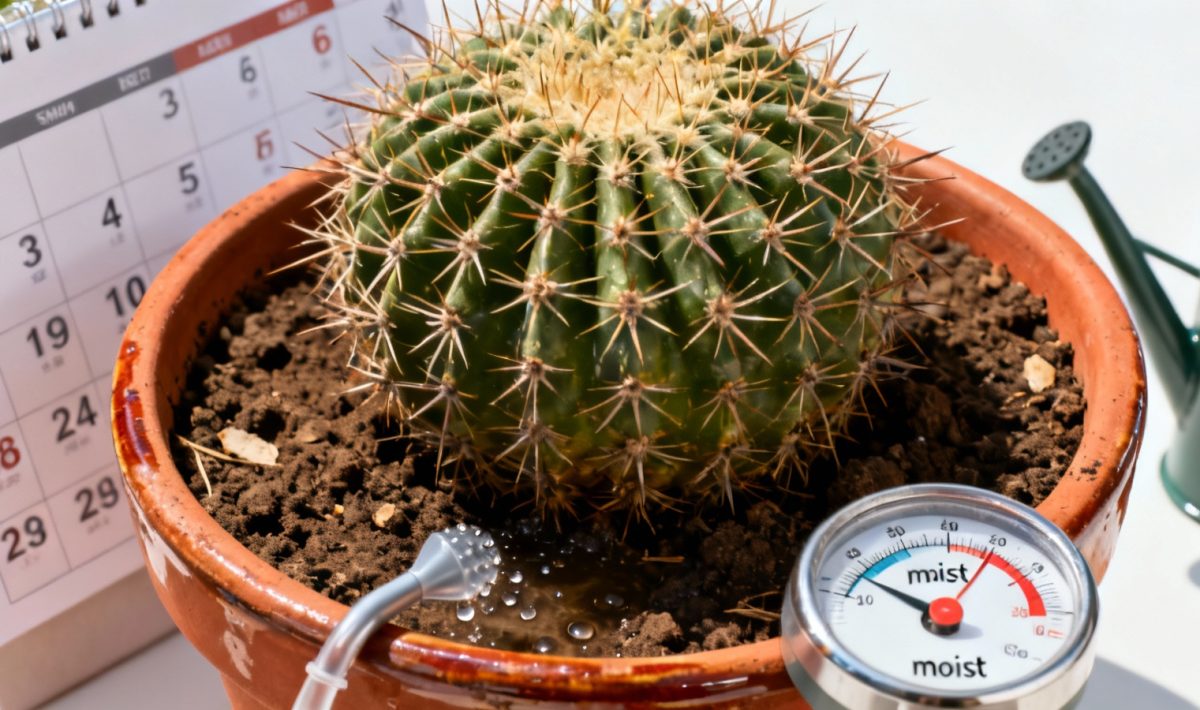
Understanding the spiny pincushion cactus and its watering needs
The spiny pincushion cactus, scientifically known as Mammillaria spinosissima, is a remarkable succulent that has adapted to thrive in arid conditions. This charming plant forms dense clusters with cylindrical stems covered in sharp spines, creating a distinctive cushion-like appearance. Understanding how often to water your spiny pincushion cactus is essential for maintaining its health and encouraging those beautiful pink flower crowns that appear in spring.
These hardy plants originated from the desert regions of Mexico, where they naturally receive very little water throughout the year. In their wild habitat, they have developed sophisticated root systems that can quickly absorb moisture when it becomes available, then store it for extended dry periods. This adaptation means that overwatering poses a much greater threat than underwatering for these resilient succulents.
Natural habitat and growing conditions
In nature, spiny pincushion cacti grow in rocky, well-draining soils where water flows away quickly after rare rainfall events. The climate in their native range features hot, dry summers and cooler winters with minimal precipitation. These conditions have shaped their water requirements, making them extremely efficient at conserving moisture and highly sensitive to waterlogged conditions.
The plant’s thick, waxy skin and numerous spines work together to reduce water loss through evaporation. Additionally, their shallow root system spreads horizontally to capture brief moisture from light rains or morning dew. Understanding these natural adaptations helps explain why proper watering technique is more important than frequency alone.
Seasonal watering schedule for optimal health
The key to successfully watering your spiny pincushion cactus lies in matching your care routine to the plant’s natural growing cycle. During the active growing season from spring through early fall, these cacti require more frequent watering to support new growth and flower production. However, even during this period, the soil must dry completely between waterings to prevent root rot.
From March through September, water your spiny pincushion cactus every two to three weeks, depending on environmental conditions. The exact timing will vary based on factors like temperature, humidity, pot size, and soil composition. Always check the soil moisture level before watering rather than following a rigid schedule, as conditions can change throughout the growing season.
Spring and summer care
During the warmer months, your cactus will be actively growing and may develop flower buds that eventually bloom into stunning pink crowns. This is when the plant uses the most water and nutrients, making consistent but careful watering essential. The ideal temperature range for active growth is between 70-80°F (21-27°C), which typically corresponds with increased watering needs.
However, even during peak growing season, patience remains crucial. Wait until the soil is completely dry before watering again, which usually takes 14-21 days in average indoor conditions. Just as you might follow specific schedules for watering your arborvitae for best results, consistency paired with observation is key for cactus care success.
Winter dormancy period
Winter brings a dramatic change in your spiny pincushion cactus’s water requirements. As temperatures drop and daylight hours decrease, the plant enters dormancy and virtually stops growing. During this time, from October through February, reduce watering to once monthly or even less frequently, depending on your home’s conditions.
The ideal winter temperature range for these cacti is 60-65°F (15-18°C), which helps promote proper dormancy and sets the stage for abundant spring flowering. Keep the plant in a bright location but avoid overheating from radiators or heating vents. Some growers keep their plants completely dry during winter, watering only when the stems begin to show slight wrinkling.
Recognizing proper soil moisture and drainage
Successful cactus care depends heavily on understanding soil conditions and drainage requirements. Your spiny pincushion cactus needs a fast-draining soil mix that allows excess water to flow away quickly while still providing adequate moisture during the brief watering period. Standard potting soil retains too much moisture and can quickly lead to root problems.
The best soil mix combines equal parts potting soil, coarse sand, and perlite or pumice. This creates a growing medium that mimics the rocky, well-draining conditions of the plant’s natural habitat. Some growers add small gravel or crushed granite to further improve drainage, especially for outdoor cultivation in areas with higher rainfall.
Testing soil moisture levels
The finger test remains the most reliable method for determining when to water your cactus. Insert your finger about two inches into the soil around the edge of the pot, being careful to avoid the plant’s spines. If you feel any moisture, wait several more days before testing again. Only water when the soil feels completely dry throughout.
For those who prefer more precise measurements, soil moisture meters designed for succulents can provide accurate readings. These tools eliminate guesswork and help prevent the common mistake of watering too frequently. Similar attention to moisture levels benefits other plants too, such as when keeping coriander fresh and lush through proper watering practices.
Signs of watering issues and solutions
Learning to recognize the signs of improper watering can save your spiny pincushion cactus from serious health problems. Overwatering symptoms typically appear first as soft, yellowing areas at the base of the plant, often accompanied by a musty odor. The stems may feel squishy when gently pressed, and black or brown spots might develop near the soil line.
Underwatering signs are generally less dramatic but still important to recognize. The plant may appear slightly shrunken or wrinkled, and growth may slow noticeably during the active season. However, because these cacti are naturally drought-tolerant, mild underwatering rarely causes permanent damage and is far preferable to overwatering.
Recovery and prevention strategies
If you notice signs of overwatering, immediately stop watering and move the plant to a location with better air circulation and bright, indirect light. Remove the plant from its pot to inspect the roots, cutting away any black or mushy sections with sterile scissors. Repot in fresh, well-draining soil and wait at least two weeks before resuming a normal watering schedule.
Prevention remains the best strategy for maintaining healthy spiny pincushion cacti. Always err on the side of too little water rather than too much, and ensure your pot has adequate drainage holes. Just as different plants require specific approaches, like best practices for chives watering, cacti thrive with their own tailored care routine.
Advanced care tips for thriving cacti
Beyond basic watering schedules, several factors can significantly impact your spiny pincushion cactus’s health and flowering potential. Light exposure plays a crucial role, with these plants requiring at least six hours of bright, direct sunlight daily. South-facing windows typically provide ideal conditions, though some protection from intense afternoon sun may be necessary in very hot climates.
Humidity levels should remain low, ideally between 10-30%, which matches their desert origins. High humidity can interfere with proper dormancy and increase the risk of fungal problems. If your home tends to be humid, consider using a dehumidifier or placing the plant near a fan to improve air circulation.
Seasonal feeding and maintenance
During the growing season, a monthly application of diluted cactus fertilizer can support healthy growth and flower production. Use a balanced fertilizer diluted to quarter strength, applying only to moist soil to prevent root burn. Avoid fertilizing during winter dormancy, as the plant cannot effectively process nutrients during this period.
Regular inspection for pests like spider mites or mealybugs helps catch problems early when they’re easier to treat. These tiny pests can hide among the dense spines, making thorough examination important. The same attention to detail that ensures success with ensuring vibrant oxeye daisies applies to maintaining healthy cacti collections.
Common mistakes and how to avoid them
The most frequent error in spiny pincushion cactus care involves watering too often or providing too much water at once. Many new cactus owners apply the same watering schedule they use for other houseplants, not realizing that these desert dwellers require a completely different approach. Remember that in nature, these plants might receive water only a few times per year during brief rainstorms.
Another common mistake involves using standard potting soil or containers without adequate drainage. Even with perfect watering technique, poor soil or drainage can lead to water retention and eventual root rot. Always invest in proper cactus soil mix and containers with multiple drainage holes to give your plant the best chance for success.
Creating the ideal environment
Temperature fluctuations can also affect watering needs, with warmer conditions requiring more frequent attention and cooler periods demanding less water. Avoid placing your cactus near heating vents, air conditioners, or drafty windows where temperature swings might stress the plant and disrupt its natural growth cycle.
Consider the growing medium carefully, as different soil compositions drain at varying rates. Sandy soils dry faster than those with higher organic content, potentially requiring more frequent watering during active growth periods. The same thoughtful approach that guides optimal watering for garlic mustard can help you fine-tune your cactus care routine.
Building a successful long-term care routine
Developing expertise in spiny pincushion cactus care takes time and observation, but the rewards include years of beautiful blooms and healthy growth. Keep a simple care journal noting watering dates, weather conditions, and any changes in plant appearance. This record helps identify patterns and refine your technique over time.
Consider joining local cactus societies or online communities where experienced growers share advice and troubleshoot problems. Many enthusiasts also exchange seeds and cuttings, allowing you to expand your collection while learning from others’ experiences. The knowledge gained from caring for one type of cactus often applies to related species, building your overall gardening expertise.
Success with these remarkable plants comes from understanding their natural needs and adapting your care routine accordingly. Whether you’re growing a single specimen or building an extensive collection, proper watering technique remains the foundation of healthy cactus cultivation. The same attention to detail that ensures success with promoting healthy Peruvian lily blooms will serve you well in mastering the art of cactus care.

Allan is a lifelong gardening enthusiast who still gets excited when the first seedlings pop up in spring. With a deep love for nature and a hands-in-the-soil approach, he shares practical tips, plant discoveries, and clever tricks picked up over years of digging, planting, and observing. Whether you’re a new gardener or have a shed full of tools, Allan writes like a neighbor who’s always happy to swap cuttings and stories over the fence.
You can find more about Allan’s work on Malt or connect with him on LinkedIn.


