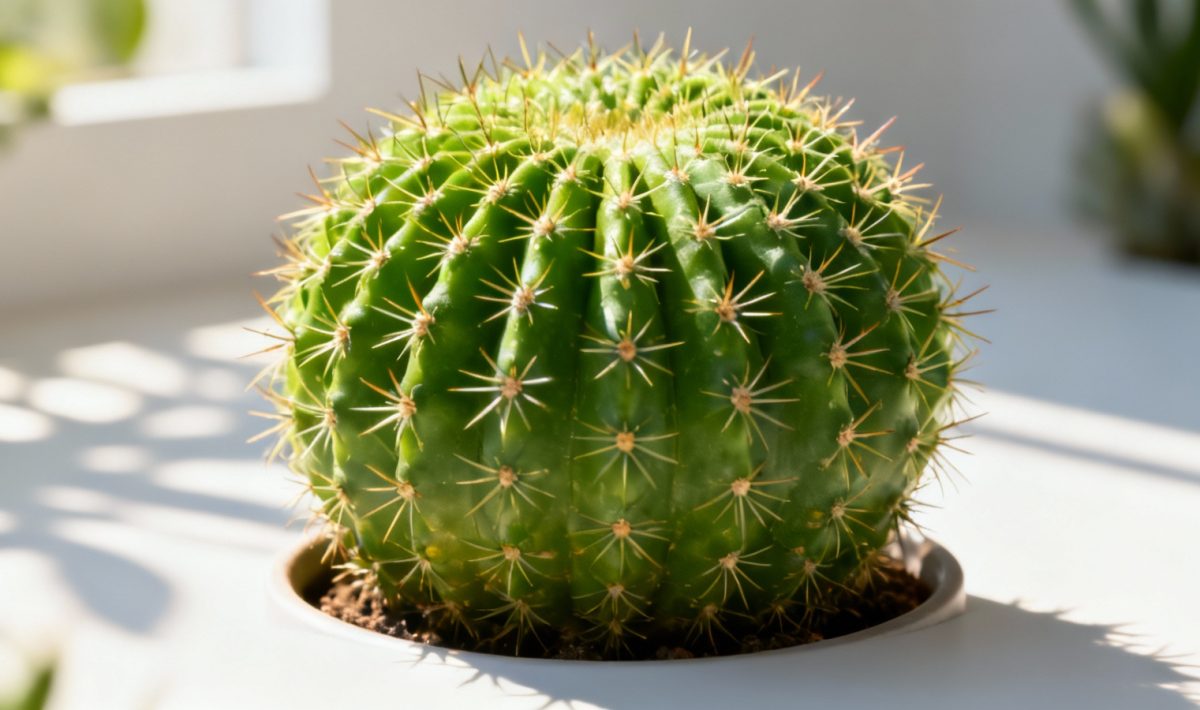
How much sunlight does spiny pincushion cactus need for optimal growth
Today, I’m sharing everything you need to know about how much sunlight does spiny pincushion cactus need to thrive in your home or garden. This fascinating cactus, scientifically known as Mammillaria spinosissima, has captured the hearts of plant enthusiasts worldwide with its distinctive appearance and relatively easy care requirements.
Understanding the spiny pincushion cactus and its sunlight needs
The spiny pincushion cactus is a remarkable succulent that originates from arid regions where intense sunlight is the norm. In its natural habitat, this cactus receives abundant direct sunlight throughout the day, which has shaped its fundamental light requirements. Understanding these origins helps us provide the proper care for our own plants at home.
This type of cactus typically requires 6 to 8 hours of direct sunlight daily for optimal growth and health. The intense light exposure supports crucial processes like photosynthesis and helps maintain the plant’s compact, robust form. Without adequate light, these cacti can become elongated and weak, losing their characteristic appearance.
Professional growers recommend placing your spiny pincushion cactus in the brightest available location. For those growing citrus plants alongside their cactus collection, you might find it interesting to explore sunlight requirements for lemon trees as they share some similar lighting preferences.
Optimal placement and positioning strategies
When choosing the perfect spot for your cactus, south-facing windows typically provide the most consistent and intense light throughout the year. However, east or west-facing locations can also work well, especially if they receive several hours of direct morning or afternoon sun.
For indoor cultivation, place your cactus as close to the window as possible without touching the glass. During summer months, be cautious of excessive heat buildup near windows, which can stress even these heat-loving plants. A distance of 12 to 18 inches from the window often provides the ideal balance.
Outdoor placement offers more flexibility and generally better results. Choose locations that receive full sun exposure for most of the day. Avoid areas with significant shade from trees, buildings, or other structures. The goal is to replicate the intense, unfiltered sunlight these cacti experience in their natural environment.
Seasonal considerations and adjustments
Seasonal changes significantly impact your cactus’s light requirements and availability. During winter months, shorter days and weaker sunlight mean you’ll need to maximize exposure by moving plants closer to light sources or providing supplemental lighting.
Spring presents an excellent opportunity to gradually acclimate your cactus to stronger outdoor light if you’re transitioning from indoor to outdoor growing. Start with a few hours of morning sun, gradually increasing exposure over 7 to 10 days to prevent sunburn.
Summer care requires monitoring for signs of heat stress, even though these cacti love intense light. In regions with extreme temperatures exceeding 100°F (38°C), some afternoon shade might be beneficial. This differs from other plants like those discussed in guides about ideal sunlight for calla lilies, which have very different heat tolerance levels.
Signs of proper and improper light exposure
Recognizing the signs of adequate lighting helps ensure your cactus remains healthy year-round. Properly lit spiny pincushion cacti maintain their compact, rounded shape with dense spine coverage and vibrant coloration. The plant should appear sturdy and well-proportioned.
Insufficient light manifests in several ways:
Elongated or stretched appearance (etiolation)
Pale or yellowish coloration
Reduced spine density
Weak, soft growth
Failure to bloom during flowering season
Conversely, excessive light exposure, while rare, can cause reddish or purplish discoloration and sunburned patches. These symptoms typically occur when plants are suddenly moved from low light to intense sun without gradual acclimation.
Professional growing accessories and tools
For indoor growers or those in less sunny climates, professional grow lights offer an excellent solution. Full-spectrum LED lights provide the intensity and wavelength range these cacti need. Position lights 12 to 18 inches above the plant and maintain a 12-14 hour photoperiod during growing season.
Light meters help quantify the actual light levels your cactus receives. Aim for readings between 2000-4000 foot-candles for optimal growth. This professional approach ensures you’re providing adequate illumination regardless of natural light conditions.
Reflective surfaces or mirrors can help redirect natural light toward your plants, maximizing available illumination without additional electricity costs. This technique works particularly well for indoor collections or greenhouse growing.
Common mistakes to avoid
One frequent error involves gradually reducing light exposure without considering the plant’s needs. Unlike some houseplants that adapt to lower light, spiny pincushion cacti require consistent, intense illumination year-round. Sudden changes in lighting conditions can shock the plant and halt growth.
Another mistake involves assuming all cacti have identical light requirements. While most cacti love bright light, specific needs vary between species. The spiny pincushion cactus demands more intense light than many other succulents, making it important to research each plant’s individual needs.
Overlooking seasonal adjustments represents another common oversight. Even dedicated cactus enthusiasts sometimes forget to account for changing day length and sun angle throughout the year. This oversight can lead to periods of inadequate lighting during crucial growing seasons.
Comparing with other sun-loving plants
Understanding how spiny pincushion cacti compare to other sun-loving plants helps put their requirements in perspective. While they need intense light similar to what’s required for sunlight needs of large-leaved lime, their tolerance for dry conditions sets them apart from most traditional garden plants.
The key difference lies in their adaptation to arid environments. Unlike lawn grasses such as those covered in discussions about optimal sunlight for annual bluegrass, cacti have evolved specialized structures to maximize light capture while minimizing water loss.
Long-term care and maintenance
Establishing proper lighting conditions sets the foundation for years of healthy growth and occasional blooming. Spiny pincushion cacti can live for decades with appropriate care, making the initial investment in proper placement and equipment worthwhile.
Regular monitoring and adjustment ensure continued success. As plants mature and surrounding conditions change, you may need to relocate or supplement lighting to maintain optimal conditions. This ongoing attention to detail separates successful cactus growers from those who struggle with plant health.
Remember that proper lighting works hand-in-hand with other care factors like soil drainage, watering frequency, and temperature control. While light forms the foundation of healthy growth, neglecting other aspects can undermine even the best lighting setup. With consistent attention to these details, your spiny pincushion cactus will reward you with robust growth and the occasional display of beautiful flowers.
Allan is a lifelong gardening enthusiast who still gets excited when the first seedlings pop up in spring. With a deep love for nature and a hands-in-the-soil approach, he shares practical tips, plant discoveries, and clever tricks picked up over years of digging, planting, and observing. Whether you’re a new gardener or have a shed full of tools, Allan writes like a neighbor who’s always happy to swap cuttings and stories over the fence.
You can find more about Allan’s work on Malt or connect with him on LinkedIn.