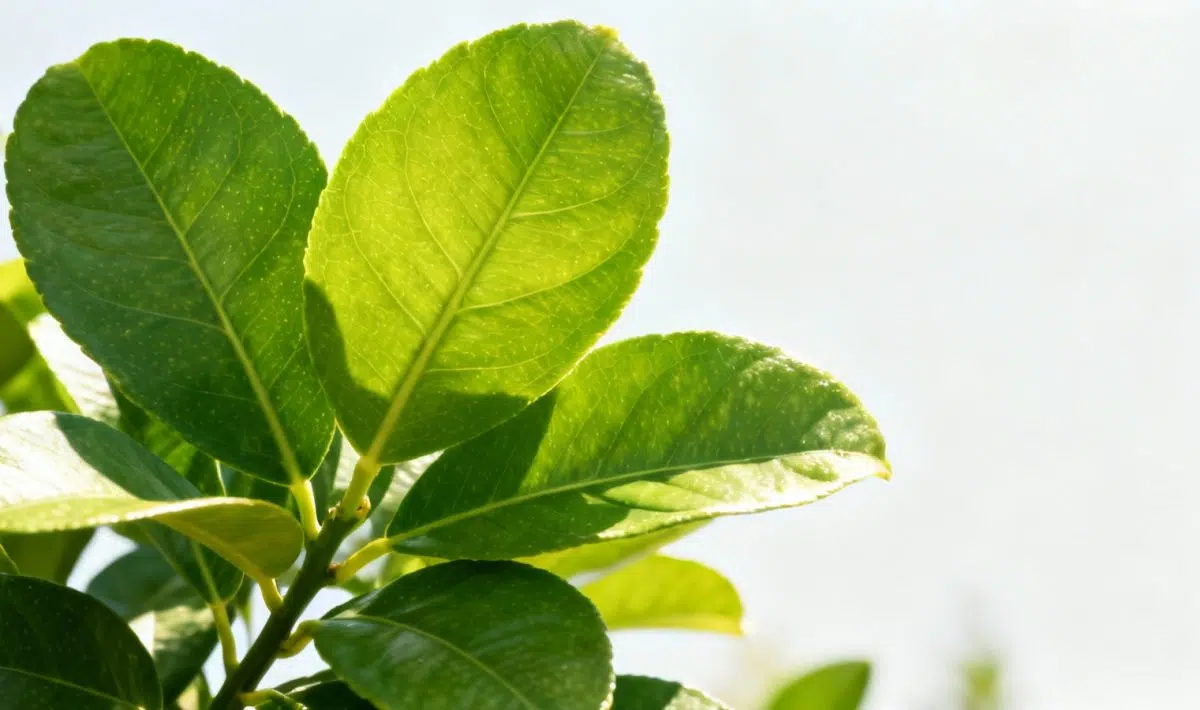
When planning your garden layout, understanding how much sunlight does large-leaved lime need becomes crucial for successful cultivation. These magnificent trees, scientifically known as Tilia platyphyllos, are surprisingly adaptable to various light conditions but perform best with specific exposure levels.
Large-leaved lime trees thrive in full sun to partial shade environments. They can tolerate shade quite well, making them versatile for different garden spots. However, adequate light exposure significantly impacts their overall health, growth rate, and flowering potential.
Optimal light conditions for healthy growth
These trees prefer bright, abundant sunlight but aren’t overly demanding about perfect conditions. Full sun exposure encourages robust growth and helps develop their characteristic heart-shaped foliage to its fullest potential. In optimal conditions, large-leaved limes can reach impressive heights of 20 to 35 meters.
Partial shade works well too, especially during hot summer months when some protection from intense afternoon sun can actually benefit the plant. This flexibility makes them excellent choices for gardens with varying light patterns throughout the day.
When considering similar light requirements, it’s worth noting that sunlight requirements for lemon trees differ significantly, as citrus plants generally need more consistent, direct sunlight than lime trees.
Morning vs afternoon sun exposure
Morning sunlight proves particularly beneficial for large-leaved limes. The gentle rays help dry morning dew from leaves, reducing disease risk while providing essential energy for photosynthesis. Afternoon sun, while still valuable, can be more intense during peak summer months.
If you must choose between morning or afternoon exposure, morning sun typically provides better results with less stress on the plant during extreme weather conditions.
Signs your tree needs more light
Recognizing when your large-leaved lime isn’t receiving adequate sunlight helps prevent long-term health issues. Watch for these telltale signs that indicate insufficient light exposure:
Yellowing leaves, particularly on lower branches
Stunted growth compared to expected annual development
Sparse foliage or thin canopy development
Reduced flowering during the typical blooming season
These symptoms often develop gradually, so regular observation of your tree’s condition helps catch problems early when they’re easier to address.
Comparing light needs with other plants
Understanding how large-leaved lime light requirements compare to other garden plants helps with overall landscape planning. For instance, optimal sunlight for annual bluegrass tends to be less demanding than most trees, making it suitable for understory planting.
Similarly, some weedy plants like those covered in sunlight needs of creeping thistle can actually compete with young trees for light, so proper garden management becomes important.
Seasonal light variations and adaptations
Large-leaved limes naturally adapt to seasonal changes in daylight hours and sun intensity. During spring and early summer, when growth is most active, they benefit from longer days and increasing light intensity that supports rapid development.
Autumn brings shorter days and lower sun angles, which signals the tree to begin preparing for winter dormancy. This natural rhythm means you don’t need to worry about providing consistent light year-round – the tree expects these variations.
Winter sun, though less intense, still provides some benefits even when the tree is leafless. The bare branches and trunk can absorb warmth that helps prevent frost damage during particularly cold spells.
Managing light competition in mixed plantings
When planting large-leaved limes near other trees or large shrubs, consider future growth patterns. What starts as adequate spacing can become overcrowded as plants mature, creating unwanted shade competition.
Flowering shrubs like those discussed in light requirements for common lilac often work well as companion plants since they typically remain smaller and won’t eventually overshadow your lime tree.
For ground level plantings beneath lime trees, consider shade-tolerant options or plants with modest light needs, such as those explored in sunlight needs for garden nasturtium, which can adapt to filtered light conditions.
Practical tips for optimizing light exposure
Positioning your large-leaved lime correctly from the start saves years of potential problems. Choose locations that receive morning sun and avoid spots that will be shaded by buildings or other large trees as they grow.
Consider the mature size when planting – these trees need space not just for root development but also to access adequate light without competing with nearby structures or plants. Plant at least 15-20 meters from buildings to ensure long-term light access.
If you’re working with an existing tree that’s struggling with insufficient light, selective pruning of competing vegetation can help improve conditions without relocating the established plant.
Creating optimal growing conditions
Beyond light requirements, supporting your large-leaved lime with proper soil conditions enhances its ability to utilize available sunlight effectively. Well-draining soil prevents root problems that can limit the tree’s capacity to process the energy it receives from light.
Regular watering during establishment helps young trees develop strong root systems that support healthy foliage, which in turn maximizes photosynthesis from available sunlight.
Conclusion
Understanding how much sunlight large-leaved lime trees need empowers you to create ideal growing conditions for these beautiful additions to your garden. Their tolerance for partial shade combined with their preference for good light makes them adaptable choices for many situations.
Success comes from observing your tree’s response to its current conditions and making adjustments as needed. With proper light exposure, your large-leaved lime will reward you with healthy growth, attractive foliage, and the satisfaction of nurturing a magnificent tree that can grace your garden for decades.
Remember that gardening involves ongoing learning and adaptation. Each garden presents unique challenges and opportunities, so don’t hesitate to experiment with positioning and care techniques to find what works best in your specific environment.
Allan is a lifelong gardening enthusiast who still gets excited when the first seedlings pop up in spring. With a deep love for nature and a hands-in-the-soil approach, he shares practical tips, plant discoveries, and clever tricks picked up over years of digging, planting, and observing. Whether you’re a new gardener or have a shed full of tools, Allan writes like a neighbor who’s always happy to swap cuttings and stories over the fence.
You can find more about Allan’s work on Malt or connect with him on LinkedIn.