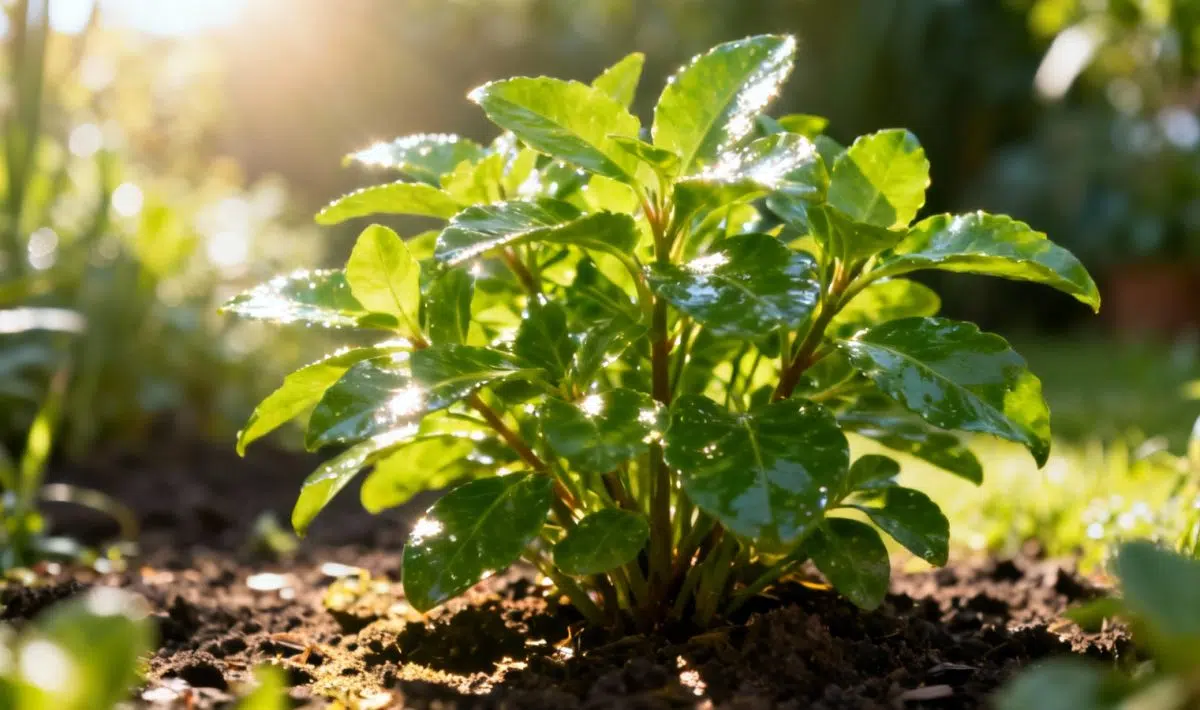
Tutsan (Hypericum androsaemum) is one of those wonderful plants that won’t give you sleepless nights worrying about perfect conditions. This charming European native has earned its reputation as a gardener’s friend, and honestly, once you understand how much sunlight tutsan needs, you’ll see why it’s become such a popular choice for tricky spots in the garden.
The beauty of tutsan lies in its flexibility with light conditions. Unlike some plants that are very particular about their sun exposure, tutsan adapts well to various lighting situations. You can successfully grow this plant in partial shade, dappled sunlight, or even areas that receive only morning sun. This adaptability makes it perfect for those challenging garden spots where other plants might struggle.
Most gardening books will tell you that tutsan prefers partial shade to light sun, but from personal experience, I can say it’s much more forgiving than that. The plant produces beautiful yellow flowers from June through August, followed by attractive berries that change from red to black. These features remain consistent whether you plant it in a slightly sunnier or shadier location.
Optimal sunlight requirements for healthy tutsan growth
Let me be straight with you about tutsan’s sunlight needs: this plant thrives with approximately 4 to 6 hours of direct sunlight per day. However, it’s remarkably tolerant of less light, which is what makes it so valuable for woodland gardens and shaded borders.
In my experience, tutsan performs best when it receives morning sun with some afternoon protection, especially during the hottest part of summer. This pattern mimics its natural habitat in European woodlands, where it grows under the canopy of larger trees. The plant can handle full sun conditions, but you’ll need to ensure consistent moisture if you choose a very sunny location.
What’s fascinating about tutsan is how it adapts its growth pattern based on available light. In shadier conditions, the plant tends to grow taller and more open, reaching for available light. In brighter spots, it develops a more compact, bushy habit. Both growth forms are attractive and functional in garden design.
Similar to how different vegetables have varying light needs, such as understanding sunlight requirements for cucumber plants, tutsan’s flexibility with light conditions makes it an excellent choice for diverse garden situations.
Factors that influence tutsan’s light tolerance
The relationship between soil conditions and light exposure plays a crucial role in tutsan’s success. Well-draining soil allows the plant to handle more direct sunlight without stress, while heavy, moisture-retentive soil works better in shadier locations. This balance is something you’ll want to consider when choosing your planting site.
Climate also affects how much sun your tutsan can tolerate. In cooler, more humid regions, the plant can handle more direct sunlight than in hot, dry climates. During particularly hot summers, even established plants benefit from some afternoon shade to prevent leaf scorch and maintain their attractive foliage.
Humidity levels around your tutsan can significantly impact its sun tolerance. Higher humidity allows the plant to cope with more direct sunlight, while dry conditions require more careful placement. This is why tutsan often performs so well in woodland settings where natural humidity levels are higher.
Just as trees like understanding sunlight needs of sycamore trees helps with proper placement, knowing these environmental factors helps you position your tutsan for success.
Practical tips for optimizing tutsan’s light exposure
When selecting a location for your tutsan, start by observing your garden throughout a full day. Note which areas receive morning sun, afternoon sun, or dappled light throughout the day. Tutsan typically performs best in spots that are bright but not scorching, making it perfect for the transition zones between full sun and deep shade.
Consider the mature size of surrounding plants when positioning your tutsan. While it tolerates shade well, you don’t want it completely overwhelmed by larger shrubs or trees that might block all available light. The goal is to create a natural woodland edge environment where your tutsan can thrive.
If you’re dealing with a particularly sunny garden, you can create suitable conditions for tutsan by planting it near larger perennials or shrubs that provide some natural shading during the hottest part of the day. This approach mimics natural growing conditions and helps the plant establish more easily.
For gardeners growing various plants with different light needs, understanding requirements for crops like ideal sunlight for growing potatoes alongside shade-tolerant plants like tutsan helps create well-balanced garden spaces.
Troubleshooting common light-related issues
If your tutsan isn’t flowering as expected, insufficient light might be the culprit. While the plant survives in deep shade, flower production significantly decreases with less than 3-4 hours of daily sunlight. Moving the plant to a brighter location or pruning nearby vegetation to allow more light can help improve flowering.
On the flip side, if you notice leaf yellowing or browning during summer, your tutsan might be getting too much direct sun, especially during afternoon hours. This is more common in hot, dry climates where even shade-tolerant plants can struggle with intense sunlight.
Sparse or leggy growth often indicates that your tutsan is reaching for more light. While this isn’t necessarily harmful to the plant’s health, you might prefer a more compact growth habit. Gradual relocation to a slightly brighter spot can help encourage bushier growth over time.
Like other shade-tolerant plants such as sunlight for healthy greater periwinkle, tutsan shows clear signs when its light conditions aren’t optimal, making adjustments relatively straightforward.
Seasonal considerations for tutsan light management
Throughout the growing season, your tutsan’s light needs may appear to change, but this is usually due to surrounding vegetation developing and creating more shade. Spring often provides ideal conditions when deciduous trees are just leafing out, offering that perfect dappled sunlight tutsan loves.
Summer requires the most attention to light management, particularly in regions with intense heat. During this time, morning sun with afternoon protection becomes even more valuable for maintaining healthy, attractive foliage and promoting continued flowering.
As autumn approaches, falling leaves may temporarily increase light levels around your tutsan. This natural cycle typically works well for the plant, as increased light during cooler weather helps it prepare for dormancy without the stress of summer heat.
Winter light considerations are minimal since tutsan goes dormant in most climates, but the semi-evergreen nature of the plant in milder regions means some attention to light exposure remains beneficial year-round.
Companion planting with light requirements in mind
Tutsan pairs beautifully with other shade-tolerant plants that have similar light requirements. Hostas, ferns, and astilbes make excellent companions, creating a lush woodland garden feel that benefits from the same partial shade conditions.
For mixed borders, combining tutsan with plants that prefer similar light conditions helps create cohesive planting schemes. Consider pairing it with other flowering shrubs that bloom at different times to extend seasonal interest while maintaining consistent light requirements across your planting area.
When planning companion plantings, think about how different plants will cast shadows on each other as they mature. Tutsan’s relatively low height makes it an excellent understorey plant beneath taller shrubs or small trees that provide natural light filtering.
Understanding various plant light needs, from shade lovers like tutsan to sun-seeking flowers like sunlight needs for Black-eyed Susan, helps create well-designed garden spaces where every plant can thrive.
Making the most of tutsan’s light flexibility
The real beauty of growing tutsan lies in its adaptability to various light conditions, making it an invaluable plant for challenging garden situations. Whether you’re dealing with deep shade from mature trees or trying to fill a spot that gets only morning sun, tutsan can work beautifully with proper care and attention.
Remember that while tutsan tolerates a wide range of light conditions, providing optimal lighting will reward you with better flowering, more attractive foliage, and overall healthier plant growth. The 4-6 hours of daily sunlight recommendation serves as a helpful guideline, but don’t let less-than-perfect conditions deter you from trying this wonderful plant.
With its combination of attractive flowers, interesting berries, and remarkable shade tolerance, tutsan proves that you don’t need perfect growing conditions to create a beautiful garden. Sometimes the most rewarding plants are those that work with you rather than against you, adapting to the conditions you can provide while still delivering reliable beauty throughout the growing season.
Allan is a lifelong gardening enthusiast who still gets excited when the first seedlings pop up in spring. With a deep love for nature and a hands-in-the-soil approach, he shares practical tips, plant discoveries, and clever tricks picked up over years of digging, planting, and observing. Whether you’re a new gardener or have a shed full of tools, Allan writes like a neighbor who’s always happy to swap cuttings and stories over the fence.
You can find more about Allan’s work on Malt or connect with him on LinkedIn.