
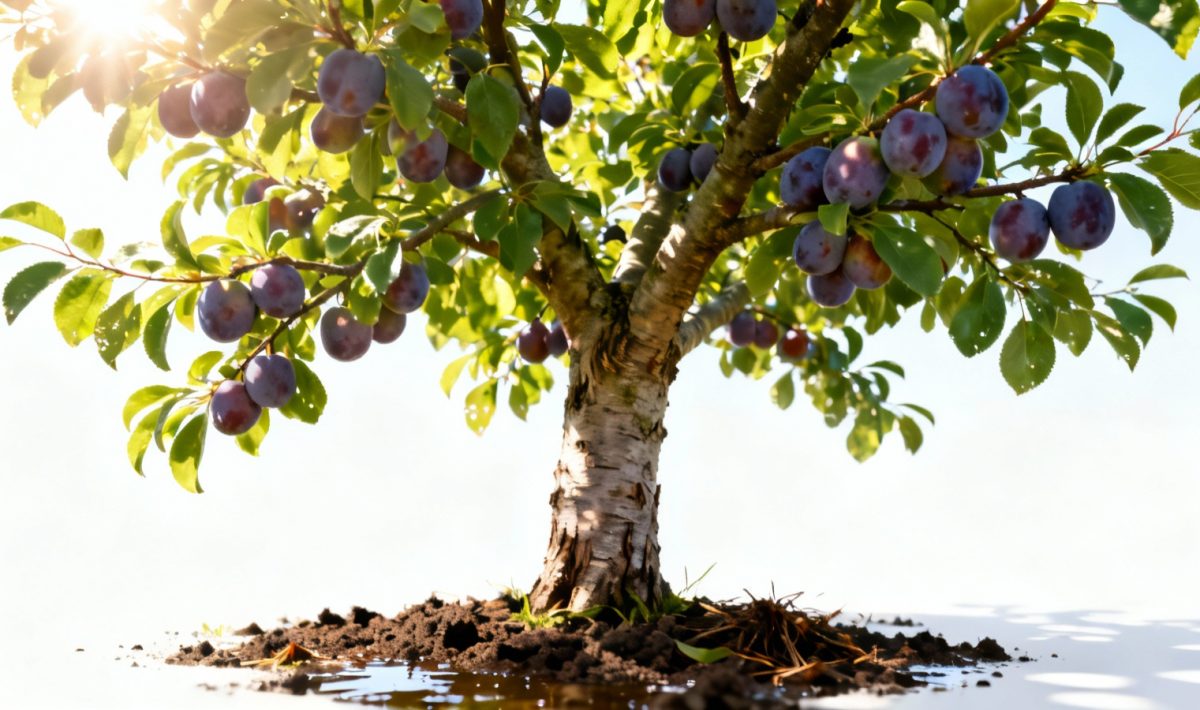
Essential sunlight requirements for European plum trees
European plum trees are sun-loving plants that demand full exposure to thrive in your garden. These beautiful fruit trees require a minimum of 6 to 8 hours of direct sunlight daily for optimal growth, flowering, and fruit production. Without adequate light exposure, your plum tree will struggle to develop properly, resulting in poor fruit quality and reduced yields.
The intensity of sunlight directly impacts the photosynthesis process, which is crucial for the tree’s overall health. When planted in locations with insufficient light, European plums often produce smaller fruits with less flavor and nutritional value. However, with proper sun exposure, these trees can deliver abundant harvests of high-quality, organic fruits that are perfect for fresh consumption or preservation.
Understanding these light requirements is essential for anyone looking to grow healthy plum trees. Thanks to proper placement and care, your European plum can become a productive addition to your garden for many years to come.
Optimal daily sun exposure for maximum fruit production
The magic number for European plum trees is 6 to 8 hours of direct sunlight per day. This duration ensures that the tree can perform efficient photosynthesis, develop strong branches, and produce abundant blooms during the flowering season. Trees receiving less than 6 hours of sunlight often show signs of stress and reduced productivity.
Morning sunlight is particularly beneficial for these fruit trees, as it helps dry dew from leaves and reduces the risk of fungal diseases. The early sun exposure also jumpstarts the photosynthesis process, giving the tree more energy throughout the day. When planning your garden layout, consider placing your European plum in an east-facing location for optimal morning light.
Just as sunlight requirements for growing oregano vary based on plant type, different fruit trees have specific needs. European plums are among the more demanding species when it comes to light requirements, but the investment in proper placement pays off with superior fruit quality.
How much sunlight does European plum need compared to other fruit plants
European plums require more consistent sunlight than many other garden plants. While some vegetables can tolerate partial shade, these fruit trees are unforgiving when it comes to light deficiency. The 6-8 hour requirement places them in the full-sun category, similar to other stone fruits like peaches and apricots.
Interestingly, the sunlight needs are quite different from tropical fruits. For example, ideal sunlight for pineapple plants reflects their tropical origins, while European plums have adapted to temperate climates with intense seasonal variations. This adaptation means they can handle strong summer sun but also need sufficient light during shorter spring and fall days.
The quality of light matters as much as the quantity. European plums benefit from direct, unfiltered sunlight rather than dappled shade through other trees. This direct exposure ensures proper fruit development and helps maintain the tree’s natural pest resistance.
Impact of sunlight on fruit quality and plant health
Adequate sunlight directly influences the sugar content and flavor development in European plums. Trees grown in full sun produce fruits with higher sugar levels, better color development, and enhanced nutritional value. The increased photosynthesis activity also strengthens the tree’s immune system, making it more resistant to diseases and pests.
Poor light conditions can lead to several problems including weak branch structure, delayed fruit ripening, and increased susceptibility to fungal infections. Trees struggling with insufficient sunlight often produce small, pale fruits that lack the characteristic sweetness and aroma of properly grown European plums.
This principle applies to many plants in your garden. Similarly, optimal sunlight for watermelon growth demonstrates how proper light exposure directly correlates with fruit size and sugar content across different plant species.
Organic growing methods for healthy European plum trees
Organic cultivation practices work exceptionally well for European plums, especially when combined with proper sunlight exposure. Bio-certified seeds and organic fertilizers help create robust trees that are naturally more efficient at utilizing available sunlight. These methods promote soil health, which in turn improves the tree’s ability to absorb nutrients and convert sunlight into energy.
When growing European plums organically, focus on soil preparation and natural amendments. Organic compost enriches the soil while improving drainage, which prevents root problems that can interfere with the tree’s ability to process sunlight effectively. Well-draining soil is particularly important because waterlogged roots cannot support proper photosynthesis.
The benefits of organic production extend beyond environmental considerations. Organically grown European plums often have superior flavor profiles and higher nutritional content compared to conventionally grown fruits. This enhanced quality is partly due to the tree’s improved ability to convert sunlight into complex sugars and beneficial compounds.
Quality seeds and organic fertilization for optimal growth
Starting with high-quality, organic seeds or grafted saplings gives your European plum the best foundation for success. These plants are typically more vigorous and better adapted to local growing conditions, making them more efficient at utilizing available sunlight from the very beginning of their development.
Organic fertilization supports the tree’s photosynthetic processes without creating the salt buildup that can occur with synthetic fertilizers. Natural fertilizers release nutrients slowly, providing steady support for the tree’s growth while maintaining soil structure that promotes healthy root development.
Just as herbs like those discussed in guides about sunlight needs of spearmint plants benefit from organic growing methods, fruit trees respond positively to natural cultivation practices that work in harmony with their biological needs.
Practical tips for positioning your European plum tree
Selecting the right location is crucial for meeting your European plum’s sunlight requirements. Look for areas in your garden that receive consistent sun exposure throughout the growing season, avoiding spots that might be shaded by buildings, fences, or larger trees as they mature.
Consider the seasonal movement of the sun when planning your tree placement. Areas that receive full sun in summer might be partially shaded during spring and fall when the sun’s angle is lower. European plums need good light exposure during their entire growing season, not just peak summer months.
Space your trees appropriately to prevent them from shading each other as they grow. European plums should be planted 15-20 feet apart to ensure each tree receives adequate sunlight without competition from neighboring plants. This spacing also promotes better air circulation, reducing disease pressure.
Long-term care and maintenance for sun-loving plums
Regular pruning helps maintain optimal light penetration throughout the tree canopy. Remove dead, diseased, or crossing branches annually to ensure sunlight reaches all parts of the tree. This practice not only improves fruit production but also maintains the tree’s overall health and vigor.
Monitor your tree’s response to its light conditions over time. Signs of insufficient sunlight include leggy growth, poor fruit set, and increased disease problems. If you notice these issues, consider removing competing vegetation or relocating smaller trees to improve light exposure.
Remember that successful fruit growing requires patience and attention to detail. Your European plum tree will reward proper care and adequate sunlight with years of delicious, high-quality fruit production that makes the initial investment in time and planning worthwhile.

Allan is a lifelong gardening enthusiast who still gets excited when the first seedlings pop up in spring. With a deep love for nature and a hands-in-the-soil approach, he shares practical tips, plant discoveries, and clever tricks picked up over years of digging, planting, and observing. Whether you’re a new gardener or have a shed full of tools, Allan writes like a neighbor who’s always happy to swap cuttings and stories over the fence.
You can find more about Allan’s work on Malt or connect with him on LinkedIn.


