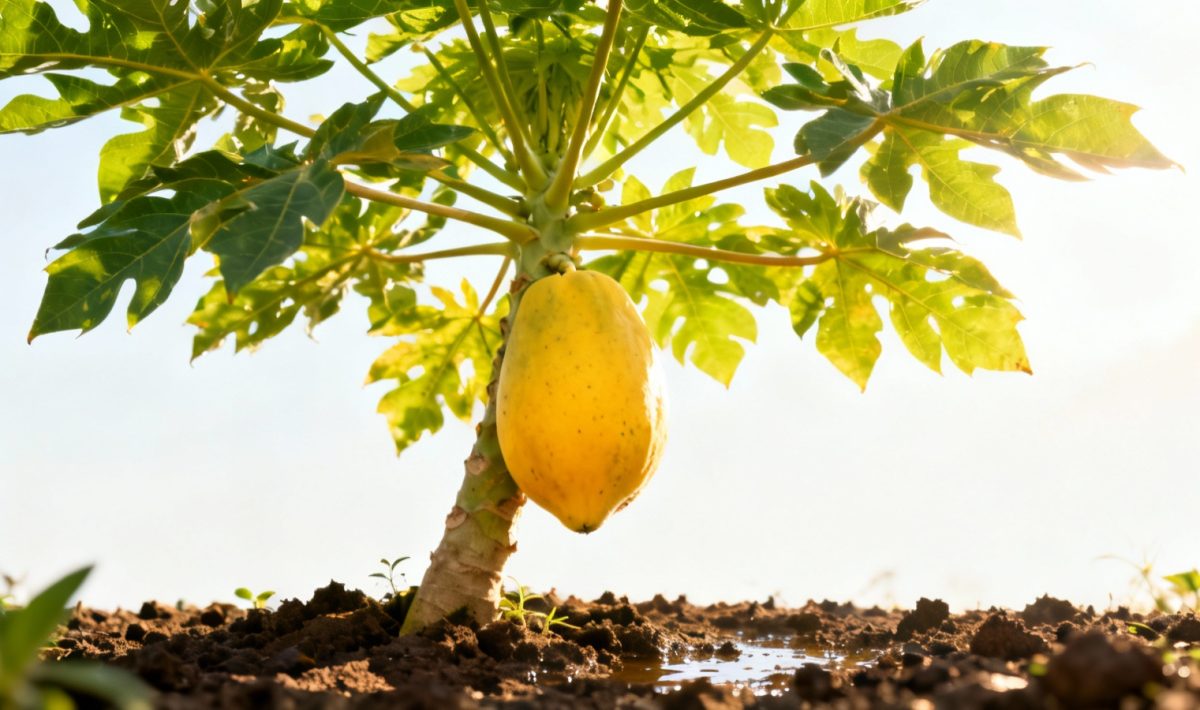
How often should you water your papaya for healthy fruit production
Growing papaya successfully starts with understanding how often should you water your papaya. This tropical treasure requires consistent moisture to thrive, but getting the balance right makes all the difference between a flourishing tree and a struggling plant. Whether you’re starting from quality seeds or nurturing established plants, proper watering forms the foundation of successful papaya cultivation.
Papaya plants (Carica papaya) are thirsty by nature, originating from tropical regions where rainfall is abundant. These fast-growing trees need approximately 1,800 to 2,000 mm of water annually, which translates to about 150-200 mm per month. This substantial requirement stems from their large leaves and rapid growth rate, particularly during the establishment phase.
Young papaya plants from quality seeds require even more attention. During the first five days after planting, water once daily with careful monitoring. However, after this initial period, increase to twice daily watering to ensure proper root development. This intensive care during early growth pays dividends later with stronger, more productive plants.
The frequency varies significantly based on climate conditions, soil type, and plant age. In humid tropical climates, natural rainfall often supplements irrigation needs. However, during dry seasons or in regions with irregular precipitation, you’ll need to compensate with regular watering to maintain optimal growth conditions.
Optimal watering schedules for different growth stages
Young papaya seedlings demand the most careful attention to watering schedules. For the first three months, maintain soil moisture consistently without waterlogging. This typically means watering every 2-3 days, checking soil moisture depth of about 5 cm to ensure proper hydration levels.
Mature papaya plants develop more extensive root systems but still require regular moisture. Generally, established trees need deep watering once or twice weekly, depending on weather conditions. During hot, dry periods, increase frequency to maintain consistent soil moisture without creating waterlogged conditions that can harm root health.
Just as you might consider the watering frequency for Norfolk Island pine when caring for other tropical plants, papaya requires attention to seasonal changes. Reduce watering frequency during cooler months when growth slows, but never allow the soil to completely dry out.
Signs your papaya needs water
Learning to read your papaya plant’s signals helps determine optimal watering timing. Wilting leaves during the hottest part of the day often indicate water stress, especially if plants don’t recover by evening. However, temporary midday wilting can be normal during extreme heat, so observe recovery patterns.
Check soil moisture by inserting your finger about 5-8 cm deep near the root zone. If the soil feels dry at this depth, it’s time to water. Papaya plants grown from quality seeds typically show stress signs earlier than grafted varieties, making consistent monitoring even more important.
Yellowing lower leaves can indicate both overwatering and underwatering, so consider other factors like soil drainage and recent weather patterns. Healthy papaya plants should maintain vibrant green foliage and steady growth when properly hydrated.
Effective watering techniques for papaya
Drip irrigation systems work exceptionally well for papaya cultivation, delivering consistent moisture directly to root zones. This method reduces water waste and prevents fungal diseases that can develop when foliage stays wet for extended periods. Install drippers around the base, covering the entire root area.
Manual watering requires careful technique to be effective. Water slowly and deeply, allowing moisture to penetrate rather than running off the surface. Apply water in a wide circle around the trunk, extending to the canopy drip line where feeder roots concentrate.
Mulching significantly improves water retention and reduces watering frequency. Organic materials like coconut husks, wood chips, or composted leaves help maintain consistent soil moisture while providing gradual nutrient release. Apply mulch in a 10 cm layer, keeping it away from direct contact with the trunk.
Choosing quality seeds for successful cultivation
Starting with premium papaya seeds sets the foundation for healthy, productive plants. Look for certified organic seeds from reputable suppliers that guarantee germination rates and provide detailed growing instructions. Quality seeds from varieties like Red Lady or traditional Carica papaya types offer better disease resistance and fruit production.
When purchasing seeds, consider the specific requirements of your growing region. Some varieties tolerate drought conditions better than others, which affects long-term watering needs. Research the parentage and characteristics of different papaya cultivars to match your local climate and soil conditions.
Proper seed storage before planting also impacts germination success. Fresh seeds typically germinate within 8-21 days when provided with consistent moisture and warmth. Store unused seeds in cool, dry conditions and use within one year for best results.
Common watering mistakes to avoid
Overwatering ranks among the most common errors in papaya cultivation. Waterlogged soil leads to root rot, stunted growth, and increased susceptibility to fungal diseases. Papaya roots need oxygen as much as water, so ensure proper drainage while maintaining adequate moisture levels.
Inconsistent watering creates stress that affects fruit quality and plant health. Irregular water supply causes fruit cracking and can trigger premature flowering in young plants before they’re strong enough to support fruit development. Establish a regular schedule and stick to it, adjusting only for weather changes.
Many growers water too frequently with shallow applications instead of providing deep, less frequent irrigation. This encourages shallow root development and makes plants more susceptible to drought stress. Similar to understanding optimal watering for porcelainflower growth, papaya benefits from thorough, deep watering sessions.
Seasonal watering adjustments
Adjust watering schedules throughout the year to match changing weather patterns and plant needs. During active growing seasons with warm temperatures and longer days, increase watering frequency to support rapid growth and fruit development.
Cooler months typically require reduced watering frequency as growth slows and evaporation rates decrease. However, don’t eliminate watering entirely, as papaya plants in most climates continue some growth year-round and need consistent moisture for health.
Monitor local weather forecasts to anticipate irrigation needs. Before expected rainfall, reduce or skip watering to prevent oversaturation. After dry spells, gradually increase watering rather than flooding plants that may have adjusted to drier conditions.
Monitoring and maintaining optimal conditions
Regular monitoring helps fine-tune watering schedules for maximum plant health and productivity. Keep records of watering dates, amounts, and plant responses to identify patterns and optimize your approach over time.
Soil moisture meters provide objective measurements when visual and tactile assessments prove insufficient. These tools help determine precise watering timing, especially valuable for commercial growers or those managing multiple papaya plants with varying needs.
Consider environmental factors that affect water requirements, such as wind exposure, soil composition, and nearby plantings. Plants in windy locations or sandy soils may need more frequent watering, while those in heavy clay or protected areas require less frequent but deeper irrigation. Understanding techniques like how to water gladiolus properly can provide insights applicable to other garden plants requiring specific moisture management.
Advanced growing techniques
Implementing advanced watering strategies can significantly improve papaya production and plant health. Fertigation, combining fertilizer application with irrigation, ensures nutrients reach roots efficiently while maintaining optimal moisture levels.
Consider installing weather stations or moisture sensors for precise irrigation timing. These technologies help automate watering schedules based on actual plant needs rather than fixed timers, reducing water waste while improving plant health.
Group papaya plants with similar water requirements together for more efficient irrigation management. This approach works particularly well in larger plantings where different varieties or planting dates create varying moisture needs. Just as growers learn best watering practices for Tutsan to optimize their garden management, understanding papaya-specific needs leads to better overall results.
Maximizing your papaya success
Successfully growing papaya from quality seeds requires attention to detail and consistent care. Proper watering forms the foundation, but combining it with appropriate fertilization, pest management, and disease prevention creates the ideal growing environment.
Invest in quality seeds from reputable suppliers who provide growing guides and ongoing support. Many online retailers offer comprehensive packages including seeds, growing instructions, and access to expert advice for troubleshooting common problems.
Document your growing experience to improve future plantings. Note which watering schedules work best in your specific conditions, seasonal variations that affect plant needs, and successful techniques worth repeating. Understanding principles like watering tips for thriving spearmint can provide additional insights for managing moisture-sensitive plants in your garden.
With proper attention to watering needs and quality starting materials, papaya plants can provide abundant, delicious fruit for years to come. The investment in learning optimal watering techniques pays dividends through healthier plants, better fruit production, and greater gardening satisfaction.
Allan is a lifelong gardening enthusiast who still gets excited when the first seedlings pop up in spring. With a deep love for nature and a hands-in-the-soil approach, he shares practical tips, plant discoveries, and clever tricks picked up over years of digging, planting, and observing. Whether you’re a new gardener or have a shed full of tools, Allan writes like a neighbor who’s always happy to swap cuttings and stories over the fence.
You can find more about Allan’s work on Malt or connect with him on LinkedIn.