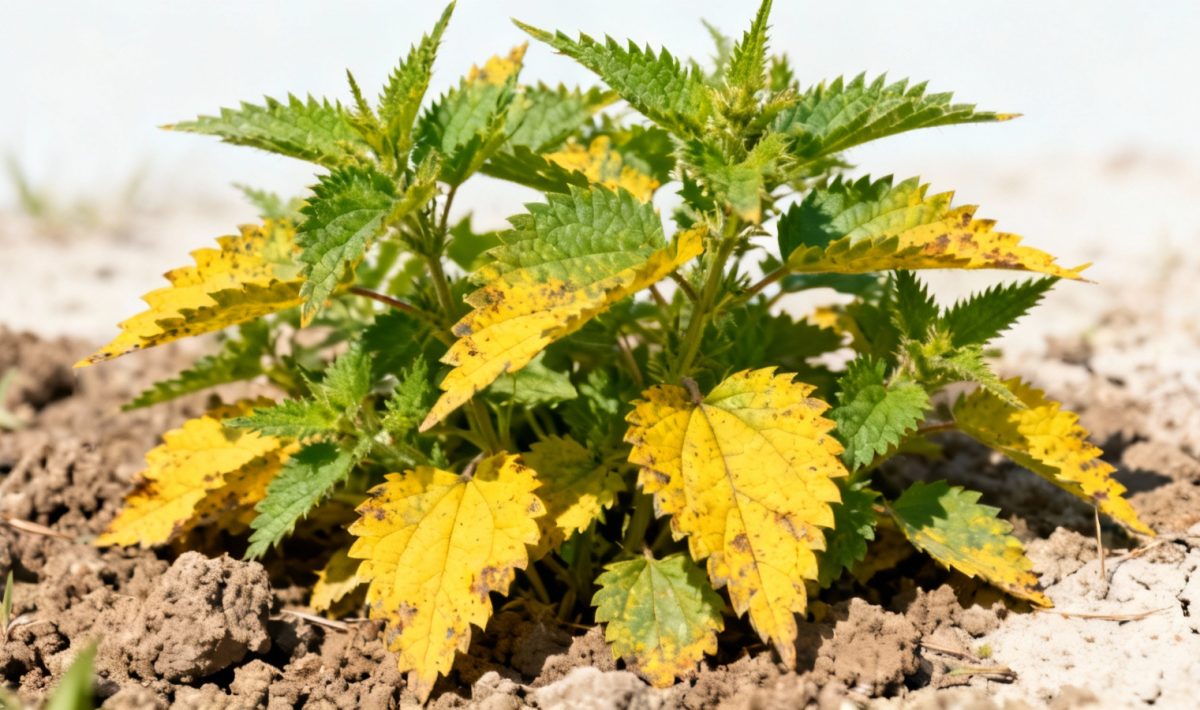
Why are my stinging nettle leaves turning yellow – causes and solutions
Stinging nettles are robust plants that thrive in various conditions, but when their leaves start turning yellow, it’s a clear signal that something needs attention. This common issue affects both wild and cultivated nettles, leaving gardeners wondering what went wrong with their typically hardy plants.
Understanding why your stinging nettle leaves are yellowing is crucial for maintaining healthy plants. The good news is that most causes are easily identifiable and treatable with the right approach. Let’s explore the various factors that can lead to this problem and discover practical solutions.
Common environmental factors causing yellow leaves
Environmental stress is one of the primary reasons why stinging nettle leaves turn yellow. These plants are generally adaptable, but they have specific preferences that, when not met, can trigger yellowing symptoms.
Soil moisture plays a critical role in nettle health. Both overwatering and underwatering can cause leaves to yellow and deteriorate. Nettles prefer consistently moist but well-draining soil, and when the balance is disrupted, the plant responds with stress signals including leaf discoloration.
✅ Quick Checklist
Is the soil too wet or too dry?
Is the plant getting 6+ hours of sunlight daily?
Have you fertilized in the last 2 months?
Are there visible pests under the leaves?
Does the pot have adequate drainage?
🔥 FREE
📱
Diagnose your plant in one click!
AI instant diagnosis • Personalized solutions • 50,000+ species
Light conditions also significantly impact nettle health. While they can tolerate partial shade, insufficient sunlight over extended periods weakens the plant and contributes to yellowing. Conversely, sudden exposure to intense direct sunlight can scorch leaves, causing them to yellow and wilt.
Temperature fluctuations represent another environmental stressor. Nettles are hardy perennials, but extreme heat waves or unexpected cold snaps can shock the plant system. This stress manifests as yellowing leaves, particularly on older foliage that the plant sacrifices to protect newer growth.
Nutritional deficiencies and soil quality issues
Poor soil nutrition is a frequent culprit behind yellowing nettle leaves. These plants are heavy feeders that require nutrient-rich soil to maintain their vibrant green color and robust growth patterns.
Nitrogen deficiency is particularly common and easily recognizable. When nettles lack sufficient nitrogen, older leaves turn yellow first, starting from the bottom of the plant and working upward. This happens because the plant redirects available nitrogen to newer growth, sacrificing older leaves in the process.
Iron deficiency, also known as chlorosis, causes a different yellowing pattern. The leaves develop yellow areas while the veins remain green, creating a distinctive appearance. This typically occurs in alkaline soils where iron becomes less available to plant roots, even when present in adequate quantities.
Magnesium deficiency presents another challenge for nettle growers. Similar to other plants, reasons for yellowing honeysuckle leaves can help you understand the broader context of leaf yellowing in garden plants. When magnesium is lacking, yellowing begins between leaf veins while the veins themselves remain green.
Disease and pest-related yellowing
Various diseases and pests can cause stinging nettle leaves to turn yellow, though these plants are generally quite resistant to such problems when grown in suitable conditions.
Fungal infections are among the most common disease-related causes of yellowing. Root rot, caused by overwatering or poor drainage, affects the plant’s ability to absorb nutrients and water effectively. This leads to yellowing leaves that may also appear wilted or droopy despite adequate soil moisture.
Aphid infestations can also cause yellowing, though this is less common with nettles due to their natural defensive properties. When present, aphids typically cluster on young shoots and leaf undersides, sucking plant juices and weakening overall plant health.
Viral infections, while rare in nettles, can cause yellowing patterns along with other symptoms like leaf distortion or stunted growth. These issues are more difficult to treat and may require removing affected plants to prevent spread.
Practical solutions for yellow nettle leaves
Addressing yellowing nettle leaves requires a systematic approach that considers all potential causes. Start by examining the growing conditions and making necessary adjustments to create an optimal environment for your plants.
For watering issues, establish a consistent schedule that maintains soil moisture without waterlogging. Check soil moisture by inserting your finger about two inches deep – the soil should feel damp but not soggy. Improve drainage if necessary by adding organic matter or creating raised planting areas.
Nutritional deficiencies respond well to appropriate fertilization. Apply a balanced, nitrogen-rich fertilizer in early spring when plants begin active growth. For iron deficiency in alkaline soils, use iron chelate or work sulfur into the soil to lower pH and improve iron availability.
✅ Quick Checklist
Is the soil too wet or too dry?
Is the plant getting 6+ hours of sunlight daily?
Have you fertilized in the last 2 months?
Are there visible pests under the leaves?
Does the pot have adequate drainage?
🔥 FREE
📱
Diagnose your plant in one click!
AI instant diagnosis • Personalized solutions • 50,000+ species
Organic matter incorporation significantly improves soil quality and nutrient availability. Work compost or well-rotted manure into the soil around your nettles annually. This practice not only provides essential nutrients but also improves soil structure and water retention capabilities.
Prevention strategies for healthy nettles
Preventing yellow leaves is always preferable to treating the problem after it occurs. Understanding how different plants experience similar issues, such as causes of pomegranate leaves turning yellow , can provide valuable insights for overall garden plant care.
Choose appropriate planting locations that offer partial shade to full sun exposure with protection from harsh afternoon sun in hot climates. Ensure good air circulation around plants while avoiding areas with strong winds that can stress the foliage.
Regular monitoring allows you to catch problems early before they become severe. Inspect your nettles weekly during the growing season, looking for signs of yellowing, pest activity, or disease symptoms. Early intervention is often more effective than waiting until problems become established.
Proper spacing between plants reduces competition for nutrients and water while improving air circulation. This prevents many fungal issues that thrive in crowded, humid conditions. When planting or transplanting, allow adequate room for mature plant size.
When to seek additional help
While most yellowing issues in stinging nettles are manageable with proper care adjustments, some situations may require professional assistance or more intensive intervention strategies.
Persistent yellowing despite addressing obvious environmental and nutritional factors may indicate underlying soil problems or rare diseases. Consider having your soil tested for pH, nutrient levels, and potential contaminants that could affect plant health.
If yellowing spreads rapidly to multiple plants in your garden, this could signal a contagious disease or pest outbreak that requires immediate attention. In such cases, isolate affected plants and consider consulting local agricultural extension services for expert diagnosis and treatment recommendations.
Remember that some seasonal yellowing is natural, particularly in autumn when perennial plants prepare for dormancy. However, yellowing during active growing seasons typically indicates correctable issues that respond well to appropriate care adjustments and environmental modifications.
Allan is a lifelong gardening enthusiast who still gets excited when the first seedlings pop up in spring. With a deep love for nature and a hands-in-the-soil approach, he shares practical tips, plant discoveries, and clever tricks picked up over years of digging, planting, and observing. Whether you’re a new gardener or have a shed full of tools, Allan writes like a neighbor who’s always happy to swap cuttings and stories over the fence.
You can find more about Allan’s work on Malt or connect with him on LinkedIn.