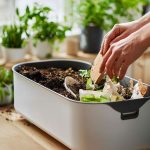
Nature’s secret weapons for speedy composting success
Transforming kitchen scraps and garden waste into nutrient-rich soil is an eco-friendly practice that benefits both our gardens and the planet. However, the process can be slow, leaving gardeners eager for quicker results. Fortunately, nature provides powerful allies to accelerate decomposition and produce high-quality compost in record time. Let’s explore three remarkable natural activators that can revolutionize your composting efforts.
Unleashing the power of marine treasures : Algae as compost boosters
Often overlooked, algae are potent accelerators for your compost pile. These aquatic plants are packed with essential nutrients, minerals, and trace elements that can significantly speed up the decomposition process. Here’s why algae are so effective :
Rich in nitrogen, potassium, and phosphorus
Contain polysaccharides that stimulate microbial activity
Improve moisture retention in the compost heap
A groundbreaking study conducted by the University of Western Brittany in 2023 revealed that incorporating seaweed into compost can reduce maturation time by 25-40%, depending on the species used. This remarkable time-saving benefit allows gardeners to produce high-quality soil amendments more rapidly.
To harness the power of algae in your composting efforts, follow these simple steps :
Collect fresh seaweed from the beach (check local regulations first)
Rinse thoroughly with fresh water to remove excess salt
Chop the seaweed into small pieces for faster decomposition
Layer the chopped seaweed with other compostable materials
Mix regularly to ensure proper aeration and distribution
By incorporating seaweed into your compost, you’re not just speeding up the process—you’re also enhancing the quality of the final product. Plants in your vegetable garden will thrive with this nutrient-rich amendment, and even ornamental plants like camellias will benefit from this exceptional natural fertilizer.
Harnessing mineral might : Basalt powder’s role in turbocharging compost
While algae provide organic nutrients, basalt powder offers a mineral powerhouse for your compost. This finely ground volcanic rock is often overlooked but can be incredibly effective in accelerating decomposition and enriching your compost. Let’s explore the benefits of this mineral marvel :
Mineral
Benefit for Compost
Calcium
Regulates pH and promotes microbial growth
Magnesium
Essential for photosynthesis and chlorophyll production
Iron
Stimulates enzyme production and cellular respiration
Incorporating basalt powder into your composting routine is straightforward :
Sprinkle a thin layer of basalt powder over each new layer of organic waste
Mix thoroughly to ensure even distribution
Repeat this process each time you add new material to your composter
The fine texture of basalt powder offers an additional advantage : it improves aeration and moisture retention in your compost. These factors are crucial for rapid and efficient decomposition. By using basalt powder, you’re transforming your compost into a mineral-rich feast for your plants while significantly accelerating the breakdown process.
Gardeners have reported particularly impressive results when using basalt-enriched compost on hydrangeas. These flowering shrubs, known for their specific nutritional needs, thrive with the balanced mineral content provided by this supercharged compost.
Nettles : The unexpected composting superhero
Often dismissed as a nuisance weed, nettles are actually powerful allies in the quest for faster, richer compost. Their high nitrogen content makes them an ideal ingredient to accelerate the decomposition of organic waste. The secret lies in their concentrated blend of essential nutrients and enzymes that stimulate microbial activity.
A 2022 study by the National Institute of Agronomic Research found that adding nettles to compost can accelerate the maturation process by 20-30%. This significant reduction in composting time is accompanied by a substantial enrichment of the final product with vital nutrients.
To maximize the benefits of nettles in your compost, consider these practical tips :
Harvest nettles before they flower, when nutrient content is at its peak
Finely chop the nettles to facilitate decomposition and integration
Incorporate them in alternating layers with other compostable materials
Regularly mix your compost pile to ensure even decomposition and aeration
Using nettles in composting aligns perfectly with sustainable gardening practices. This often-maligned plant becomes a valuable ally in naturally enriching your soil. Additionally, nettles can be used to create a liquid fertilizer, providing a versatile resource for maintaining plant health, especially during challenging weather conditions like heatwaves.
Synergizing natural activators for optimal composting results
The art of efficient composting lies in the strategic combination of different elements. By integrating algae, basalt powder, and nettles into your composting routine, you can create a turbocharger for your compost pile. Here are some tips to optimize the use of these natural accelerators :
Layer strategically : Create a “mille-feuille” effect by alternating your usual organic waste with these powerful natural accelerators
Monitor moisture levels : Maintain optimal water balance in your compost. Seaweed helps retain moisture, while basalt powder promotes aeration
Mix regularly : Frequent turning ensures better distribution of nutrients and stimulates microbial activity
Observe and adjust : Each compost pile is unique. Monitor your compost’s progress and adjust the quantities of accelerators based on the results
By implementing these practices, you’ll transform your organic waste into a rich, beneficial amendment for your garden in record time. Remember, composting is a living process that requires attention and patience. With these natural accelerators, you’re providing your garden with the nutrients it needs to thrive while contributing to more sustainable waste management.
Gardeners using these techniques have reported reducing their compost maturation time by several weeks while still achieving an end product of exceptional quality. Tomato plants, salad greens, and even fruit trees benefit greatly from this concentrated nutrient supply. By combining these natural activators, you’re creating a super-compost that will nourish your plants and enrich your soil for seasons to come.
Discover three powerful natural activators that can revolutionize your composting process and produce high-quality soil amendments faster.
Algae : Rich in nutrients, reducing maturation time by 25-40%
Basalt powder : Mineral powerhouse, improving aeration and moisture retention
Nettles : High nitrogen content, accelerating decomposition by 20-30%
Synergistic approach : Combining all three for optimal composting results
Allan is a lifelong gardening enthusiast who still gets excited when the first seedlings pop up in spring. With a deep love for nature and a hands-in-the-soil approach, he shares practical tips, plant discoveries, and clever tricks picked up over years of digging, planting, and observing. Whether you’re a new gardener or have a shed full of tools, Allan writes like a neighbor who’s always happy to swap cuttings and stories over the fence.
You can find more about Allan’s work on Malt or connect with him on LinkedIn.