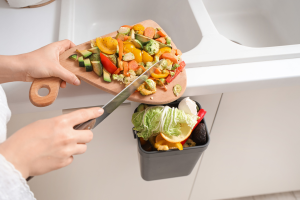
Simple Ways To Compost Kitchen Scraps For Healthier Soil
Composting kitchen scraps is a sustainable practice that transforms organic waste into nutrient-rich soil amendments, reducing landfill contributions while enhancing garden productivity. This method appeals to eco-conscious homeowners and urban gardeners seeking to minimize waste and improve soil health. Below, we explore practical techniques, common challenges, and expert tips for effective composting.
Aerobic composting relies on oxygen-rich environments to break down organic matter efficiently. This method is ideal for backyard composters and requires balancing green (nitrogen-rich) and brown (carbon-rich) materials.
Balancing Greens and Browns
Aim for a 2:1 ratio of browns to greens to maintain optimal decomposition. Greens include kitchen scraps like vegetable peels, fruit rinds, and tea bags, while browns consist of shredded paper, dried leaves, or cardboard. Breaking materials into smaller pieces accelerates decomposition.
Maintaining Moisture and Aeration
Compost should feel like a damp sponge. Excess moisture leads to anaerobic conditions, fostering pests and odors, while dryness slows microbial activity. Regularly aerate piles by turning them or inserting aeration tools to ensure oxygen flow.
Alternative Methods for Small Spaces
For those with limited outdoor space, innovative approaches like Bokashi composting and trench composting offer viable solutions.
Bokashi Composting
This anaerobic method uses fermented bran inoculated with effective microorganisms (EM) to break down food scraps in sealed containers. It processes materials faster than traditional composting (about one month) but requires integration with aerobic systems to neutralize acidity.
Trench Composting
Digging shallow trenches in garden beds and burying scraps directly into the soil minimizes odors and pests. However, this method is slower and less effective in poor soil lacking decomposers like worms.
Blender Composting: A Quick Fix for Urban Gardeners
Blender composting involves blending kitchen scraps with water and distributing the mixture around plants. This method bypasses traditional composting steps but requires caution:
Advantages and Limitations
Pros: Rapid decomposition, no need for dedicated bins, and reduced pest attraction.
Cons: May attract pests if scraps aren’t fully blended or buried. Overuse can oversaturate soil, leading to mold.
Common Challenges and Solutions
Managing Pests and Odors
Avoid composting meat, dairy, and oils, which attract pests and create odors. For maggots, ensure scraps are buried deeply or blended thoroughly. Add browns like shredded paper to absorb excess moisture and deter pests.
Temperature Control
Aerobic compost piles typically reach 130–140°F (54–60°C), killing pathogens and speeding decomposition. Monitor temperature with probes or by checking for steam during turning.
Sustainability and Environmental Impact
Composting kitchen scraps reduces landfill waste and greenhouse gas emissions while sequestering carbon in soil. It also decreases reliance on synthetic fertilizers, promoting healthier plant growth and microbial diversity.
Long-Term Benefits
Soil Structure: Compost improves water retention and aeration, reducing irrigation needs.
Texture: Aim for a crumbly, soil-like consistency.
Composting kitchen scraps is a flexible, impactful practice adaptable to diverse living situations. By choosing methods aligned with space constraints and resource availability, gardeners can transform waste into a valuable resource, fostering healthier soil and sustainable ecosystems.
Allan is a lifelong gardening enthusiast who still gets excited when the first seedlings pop up in spring. With a deep love for nature and a hands-in-the-soil approach, he shares practical tips, plant discoveries, and clever tricks picked up over years of digging, planting, and observing. Whether you’re a new gardener or have a shed full of tools, Allan writes like a neighbor who’s always happy to swap cuttings and stories over the fence.
You can find more about Allan’s work on Malt or connect with him on LinkedIn.