21 Shade Plants That Turn Your Garden Into A Paradise For Hummingbirds And Pollinators
Creating shade gardens that attract hummingbirds and pollinators is a powerful way to support biodiversity while enhancing your outdoor space. These gardens provide essential habitats for wildlife, offering nectar-rich flowers, shelter, and food sources. With the right plants, even shaded areas can become vibrant ecosystems that sustain these vital pollinators.
Bleeding Heart (Dicentra spectabilis)
A delicate perennial with heart-shaped flowers dangling from arching stems, bleeding heart thrives in partial shade and moist soil. Its nectar-rich blooms attract hummingbirds and bees, making it a top choice for shaded gardens.
Foamy Bells (Heucherella spp.)
These hybrid plants combine maple-like foliage with airy, bell-shaped flowers. Their dainty blooms provide a quick nectar source for pollinators and add texture to shaded beds.
Toad Lily (Tricyrtis spp.)
With orchid-like flowers in shades of purple and white, toad lilies bloom late in the season, offering a critical food source for migrating hummingbirds. They prefer well-drained, shaded areas.
Hostas
While primarily valued for foliage, hostas produce funnel-shaped flowers that attract pollinators. Their large leaves also create sheltered microhabitats for beneficial insects.
Wishbone Flower (Torenia spp.)
A low-growing annual with snapdragon-like blooms, wishbone flower thrives in partial shade and moist soil. Its tubular flowers are ideal for hummingbirds and butterflies.
Flame Flower (Tropaeolum speciosum)
This vigorous climber produces bright red, spurred flowers that hummingbirds find irresistible. It grows best in shaded, moist areas with good air circulation.
Designing a Hummingbird-Friendly Shade Garden
Soil and Layout Considerations
Shaded gardens often face challenges like heavy clay soil or poor drainage. To address this, incorporate organic matter like compost to improve soil structure. Group plants by water needs, placing moisture-loving species like hostas near water sources and drought-tolerant salvias in drier zones.
Native Plant Selection
Native plants are critical for attracting local pollinators and hummingbirds. Pre-planned gardens from nurseries like Prairie Nursery offer tailored selections for different soil types, ensuring optimal growth and biodiversity.
Layered Planting Strategies
Create a layered garden with tall plants like salvias at the back, mid-height perennials like bleeding heart in the middle, and low-growing wishbone flowers at the front. This structure mimics natural habitats and maximizes nectar availability.
Native Salvias: Drought-Resistant Powerhouses
Autumn Sage (Salvia greggii)
A compact perennial with red, pink, or purple flowers, autumn sage blooms from spring to fall. Its woody stems and drought tolerance make it ideal for shaded borders in zones 7-10.
Black and Blue Salvia (Salvia guaranitica)
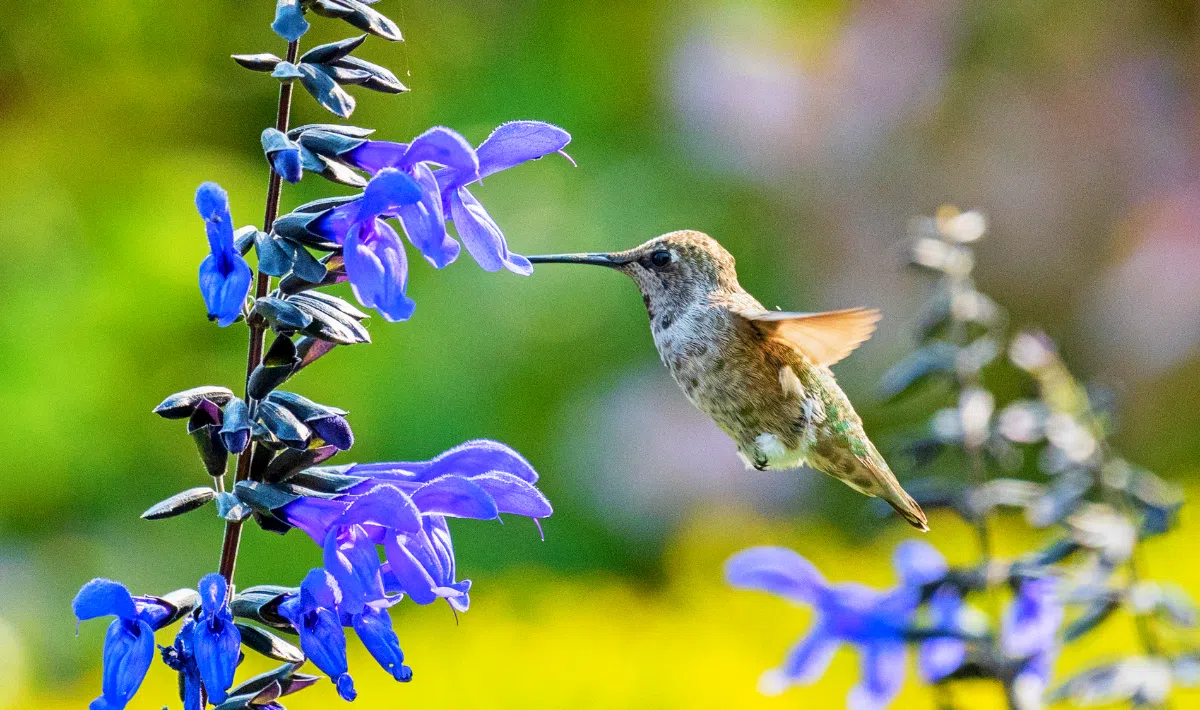
Featuring cobalt-blue flowers with black calyces, this salvia thrives in partial shade and attracts both hummingbirds and butterflies. It grows 3-4 feet tall and performs well in zones 7-10.
Texas Sage (Salvia coccinea)
A heat-loving annual with bright red blooms, Texas sage self-seeds readily, creating sustainable colonies. Its tubular flowers are a hummingbird favorite in zones 8-11.
Maintenance Tips for Thriving Shade Gardens
Deadheading and Pruning
Regular deadheading encourages repeat blooming in salvias and wishbone flowers. Prune hostas and bleeding hearts after flowering to maintain foliage health.
Water Management
Shaded gardens often require careful watering. Water deeply but infrequently to encourage root growth, and avoid overwatering plants like salvias that prefer drier conditions.
Pest Control
Use organic methods to manage pests, as chemical pesticides harm pollinators. Encourage beneficial insects like ladybugs by planting a diverse array of flowers.
The Future of Shade Gardens and Wildlife Conservation
As urbanization reduces natural habitats, shade gardens play a vital role in supporting pollinators. By choosing native plants and sustainable practices, gardeners can create microhabitats that sustain wildlife while enhancing their outdoor spaces.
Transforming shaded areas into pollinator paradises is achievable with the right plants and strategies. From delicate bleeding hearts to drought-tolerant salvias, these species provide nectar, shelter, and beauty. By prioritizing native plants and mindful garden design, homeowners can contribute to biodiversity while enjoying the vibrant presence of hummingbirds and pollinators.
Allan is a lifelong gardening enthusiast who still gets excited when the first seedlings pop up in spring. With a deep love for nature and a hands-in-the-soil approach, he shares practical tips, plant discoveries, and clever tricks picked up over years of digging, planting, and observing. Whether you’re a new gardener or have a shed full of tools, Allan writes like a neighbor who’s always happy to swap cuttings and stories over the fence.
You can find more about Allan’s work on Malt or connect with him on LinkedIn.