7 Vegetables Experts Say Are Cheaper To Grow Than Buy
Introduction
As grocery prices continue to rise, home gardening has emerged as a practical solution for families seeking to reduce food costs. With inflation driving up the price of fresh produce—such as cucumbers (33.6% increase) and cauliflower (25.7% increase)—experts highlight specific vegetables that offer significant savings when grown at home. This shift aligns with broader trends: 44% of American households now plan to grow their own food, prioritizing crops that maximize cost efficiency. Below, we explore seven vegetables that experts recommend for their affordability and ease of cultivation.
Tomatoes rank among the most financially rewarding crops, costing six times less to grow than to buy, even when accounting for initial investments like seeds and tools. A single tomato plant can yield dozens of fruits, making it a high-value choice for small gardens.
Higher yield per plant: A healthy tomato plant produces 10–20 pounds of fruit annually, far exceeding the cost of a single seed packet.
Extended harvest season: With proper care, tomato plants provide fresh produce for months, reducing reliance on grocery stores.
Customization: Growers can select heirloom varieties unavailable in supermarkets, enhancing flavor and texture.
Herbs: Basil and Parsley Lead the Savings
Fresh herbs like basil and parsley are notoriously expensive to purchase but inexpensive to cultivate. A packet of seeds costs $1.50–$2.00 and can supply a season’s worth of herbs.
Maximizing Herb Yields
Direct sowing: Plant seeds directly in warm soil (50°F+ nights) for faster germination and stronger root systems.
Continuous harvesting: Pinch off flower buds to encourage leaf growth, extending the harvest period.
Preservation methods: Freeze or dry excess herbs to use year-round, avoiding waste.
Cucumbers: A Warm-Weather Money-Saver
Cucumbers thrive in direct sunlight and warm temperatures, making them ideal for summer gardens. Transplants cost $4–$6 per plant, while seeds provide dozens of plants for pennies.
Growing Cucumbers Efficiently
Trellis systems: Train vines vertically to save space and improve air circulation, reducing disease risk.
Soil preparation: Use well-draining soil with a pH of 6.0–7.0 for optimal growth.
Pest management: Hand-pick aphids and squash bugs to avoid chemical pesticides.
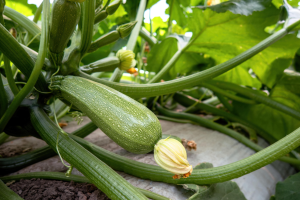
Zucchini and Squash: High-Yield, Low-Cost Crops
Zucchini and summer squash are prolific producers, often yielding more than families can consume. A single plant can generate 6–10 pounds of fruit annually.
Managing Abundance
Succession planting: Sow seeds every 2–3 weeks to stagger harvests and prevent overwhelming yields.
Creative recipes: Use excess squash in breads, soups, and frozen meals to minimize waste.
Companion planting: Pair with nitrogen-fixing legumes to enrich soil naturally.
Onions: A Long-Term Investment
Onions require minimal space and care, making them a smart choice for small gardens. They store well for months, reducing trips to the grocery store.
Key Growing Strategies
Set selection: Opt for onion sets (small bulbs) for faster maturity compared to seeds.
Soil depth: Plant sets 1 inch deep in well-draining soil to prevent rot.
Harvest timing: Wait until tops yellow and fall over before digging up bulbs.
Potatoes: Underground Savings
Potatoes are among the most cost-effective root vegetables. A 10-pound bag of seed potatoes can yield 100+ pounds of harvestable tubers.
Optimizing Potato Yields
Chitting: Allow seed potatoes to sprout indoors 2–4 weeks before planting for earlier harvests.
Hill cultivation: Mound soil around stems to encourage more tubers to form.
Disease resistance: Choose varieties like ‘Russet’ or ‘Yukon Gold’ for better pest tolerance.
Cauliflower: Tackling Inflation with Homegrown Heads
Cauliflower prices surged 25.7% in recent years, making it a prime candidate for home cultivation. While labor-intensive, the payoff in fresh, organic produce is significant.
Mastering Cauliflower Growth
Cool-season planting: Sow seeds in early spring or late summer for optimal growth.
Fertilization: Feed plants with nitrogen-rich compost to promote robust head development.
Pest control: Use row covers to protect against cabbage moths and aphids.
Growing these seven vegetables offers a tangible way to combat rising food costs while enjoying fresher, healthier produce. By prioritizing crops with high yields, low input costs, and long shelf lives, families can transform small spaces into productive gardens. As inflation persists, homegrown solutions like these will remain essential for budget-conscious households.
Allan is a lifelong gardening enthusiast who still gets excited when the first seedlings pop up in spring. With a deep love for nature and a hands-in-the-soil approach, he shares practical tips, plant discoveries, and clever tricks picked up over years of digging, planting, and observing. Whether you’re a new gardener or have a shed full of tools, Allan writes like a neighbor who’s always happy to swap cuttings and stories over the fence.
You can find more about Allan’s work on Malt or connect with him on LinkedIn.