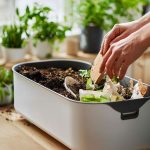
How I turned kitchen scraps into the best compost I’ve ever used
Composting kitchen scraps transforms organic waste into nutrient-rich soil through microbial decomposition. This natural process relies on balancing nitrogen-rich “greens” (food scraps, coffee grounds) and carbon-rich “browns” (shredded paper, dried leaves) to create optimal conditions for microorganisms.
The 30:1 ratio of browns to greens in hot composting methods like the Berkeley technique accelerates decomposition by providing sufficient carbon for microbial activity. Greens supply nitrogen, while browns act as energy sources for microbes. This balance prevents ammonia buildup and odors, ensuring efficient breakdown.
The role of microorganisms
Bacteria and fungi break down organic matter through aerobic respiration, releasing heat that can reach 160°F (71°C) in optimal conditions. This heat kills pathogens and weed seeds, producing safe compost. Anaerobic methods like Bokashi fermentation use specialized bran to ferment waste without oxygen, allowing meat and dairy inclusion.
Choosing the right method
Selecting a composting approach depends on space, time, and waste volume. From rapid electric systems to traditional outdoor piles, each method offers distinct advantages.
Hot composting techniques
The Berkeley method produces compost in 18-19 days through rigorous maintenance:
Chopping materials to ≤1.5″ pieces for faster decomposition
Monitoring temperature daily and turning the pile when it reaches 160°F
Adjusting moisture to a “wrung-out sponge” consistency
Small-space solutions
Indoor composting options include:
DIY bins: Plastic containers with drilled ventilation holes and nylon screens to prevent pests
Bokashi systems: Fermenting waste in sealed buckets with bran, ideal for meat/dairy inclusion
Worm composting: Red wigglers breaking down scraps in compact setups
Electric composters
Devices like the Vego Kitchen Composter process scraps in 24 hours using:
Effective composting requires consistent maintenance to maintain microbial health and prevent contamination.
Layering materials
A typical indoor bin setup includes:
Base layer: Garden soil or finished compost to introduce microbes
Absorbent layer: Shredded newspaper to control moisture
Scrap layer: Chopped fruit peels, coffee grounds, and eggshells
Maintaining moisture and aeration
Moisture control: Keep materials damp but not soggy to prevent anaerobic conditions
Aeration: Turn outdoor piles weekly or use tumblers for easier mixing
Pest prevention: Avoid meat/dairy in aerobic systems; use screens in indoor bins
Monitoring temperature
Hot composting requires daily temperature checks:
160°F (71°C): Ideal for pathogen destruction
Lower temps: Add browns if ammonia smell appears
Higher temps: Turn pile to redistribute heat
The impact of composting
Transforming kitchen waste into compost addresses environmental challenges while enhancing gardening outcomes.
Environmental benefits
Reduced landfill waste: Diverts organic materials from methane-producing landfills
Lower carbon footprint: Decreases transportation emissions from synthetic fertilizers
Soil conservation: Replenishes nutrients in depleted agricultural soils
Community and local ecosystems
Composting supports:
Local food systems: Providing free fertilizer for urban gardens
Biodiversity: Enriching soil microbiomes that sustain plant health
Waste reduction: Aligning with circular economy principles
Cost-effective gardening
Compost replaces commercial fertilizers through:
Nutrient cycling: Returning food waste nutrients to crops
Soil structure improvement: Enhancing water retention and root penetration
Pest/disease resistance: Strengthening plant immunity through microbial diversity
Turning kitchen scraps into compost requires understanding microbial processes, selecting appropriate methods, and maintaining proper conditions. Whether using rapid electric systems or traditional outdoor piles, this practice reduces waste, enhances soil health, and supports sustainable gardening. By adopting these techniques, individuals contribute to environmental conservation while growing healthier plants.
Allan is a lifelong gardening enthusiast who still gets excited when the first seedlings pop up in spring. With a deep love for nature and a hands-in-the-soil approach, he shares practical tips, plant discoveries, and clever tricks picked up over years of digging, planting, and observing. Whether you’re a new gardener or have a shed full of tools, Allan writes like a neighbor who’s always happy to swap cuttings and stories over the fence.
You can find more about Allan’s work on Malt or connect with him on LinkedIn.