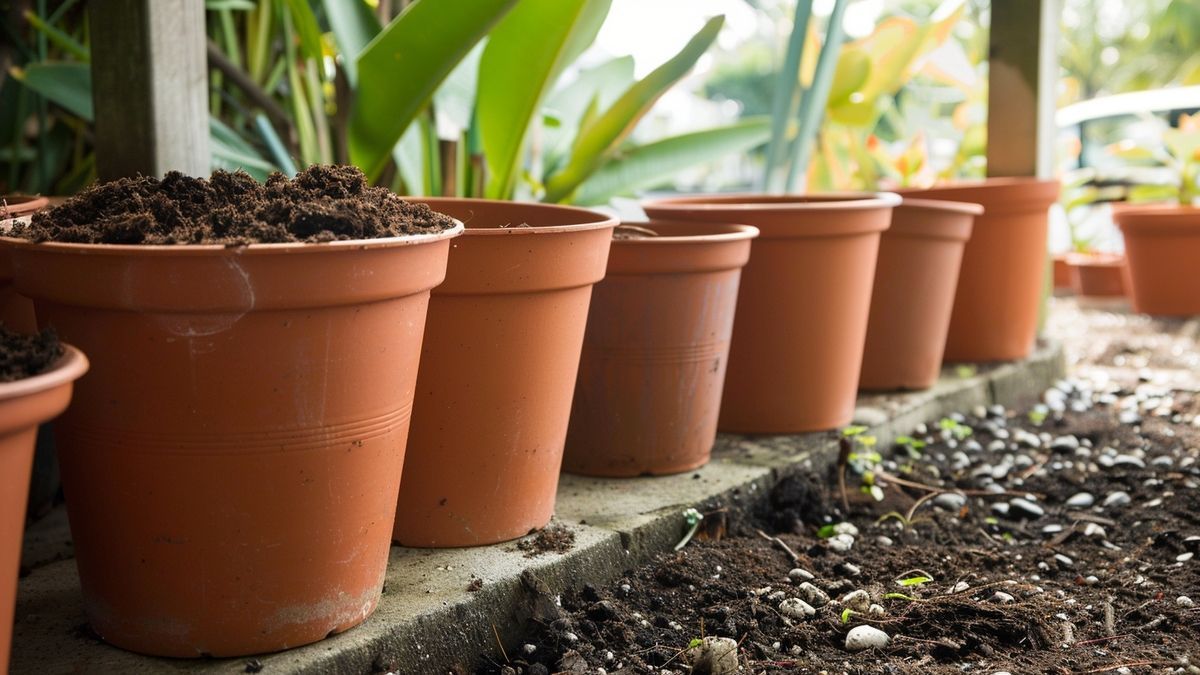
I always add compost to my pots the week before May starts
I always add compost to my pots the week before May starts
As spring transitions to summer, gardeners worldwide prepare their soil for the growing season. One critical step for many is adding compost to pots in late April, a practice rooted in optimizing soil health and plant growth. This timing aligns with rising temperatures and microbial activity, ensuring nutrients are available when plants need them most. Composting transforms organic waste into a nutrient-rich amendment, reducing landfill waste and lowering household costs. Below, we explore the science, methods, and benefits behind this seasonal ritual.
Late April marks a pivotal moment for gardeners. Soil temperatures begin to rise, and plants demand nutrients as they enter active growth phases. Compost added at this time has sufficient time to integrate into the soil before peak growing seasons, providing sustained fertility.
Optimizing soil temperature and microbial activity
Compost acts as a slow-release fertilizer, feeding microbes that break down organic matter into plant-accessible nutrients. By mid-April, soil temperatures in many regions reach 50–60°F (10–15°C), ideal for microbial activity. Adding compost now allows these organisms to thrive, enhancing soil structure and nutrient availability.
The process mirrors natural decomposition cycles. In outdoor composting systems, materials like food scraps and leaves are layered to balance carbon-rich “browns” and nitrogen-rich “greens.” This ratio (typically 2:1) accelerates decomposition, producing finished compost in 2–3 months. For gardeners using tumbling composters or worm bins, late April additions ensure mature compost is ready for May planting.
Choosing the right composting method
Gardeners employ diverse methods to suit space, resources, and lifestyle. Below, we compare popular approaches and their suitability for pre-May preparation.
| Method | Materials | Capacity | Best For |
|–||–|-|
| Three-bin system | Wood, wire, leaves | 3–4 cubic ft | Urban/suburban gardens |
| Tumbling composter | Recycled polypropylene | 37 gallons | Outdoor spaces, fast processing |
| Worm composting | Plastic trays, red wigglers | 40 liters | Small spaces, indoor use |
Outdoor composting solutions
For those with yard space, three-bin systems or compost heaps offer efficient processing. The three-bin method involves sequential turning: food scraps are added to the first bin, covered with leaves, then transferred to subsequent bins for aeration and curing. This setup minimizes pests and odors while producing consistent results.
Tumbling composters, like the FCMP Outdoor Dual Chamber model, simplify the process. Users add materials to one chamber, tumble the drum for aeration, and harvest compost from the second chamber. These systems excel in speed, producing finished compost in weeks rather than months.
Indoor composting options
Apartment dwellers or small-space gardeners often opt for kitchen compost bins or worm composters. The Full Circle Breeze Fresh Air bin uses compostable bags to collect scraps, eliminating cleanup. Its perforated lid and vented base initiate decomposition before outdoor transfer.
Worm composting (vermicomposting) leverages red wiggler worms to break down food waste. The VermiHut Plus 5-Tray system processes up to 5 pounds of scraps daily, ideal for high-volume households. It requires minimal space and produces nutrient-dense castings.
Preparing compost for May planting
Effective composting hinges on material selection, timing, and maintenance. Below, we outline key steps to ensure your compost is ready for the growing season.
Balancing carbon and nitrogen sources
A 2:1 ratio of carbon-rich “browns” to nitrogen-rich “greens” is critical. Common browns include:
Dried leaves
Shredded newspaper
Straw or sawdust
Greens should be fresh and high in moisture:
Food scraps (fruits, vegetables, coffee grounds)
Grass clippings
Manure (from herbivores)
Avoid contaminants like meat, dairy, and pet waste, which attract pests and create odors.
Timing the composting process
Late April additions align with the 2–3 month decomposition window. For outdoor heaps, follow this schedule:
Week 1–2: Layer browns and greens, covering food scraps to deter pests.
Week 3–4: Turn the pile to aerate and speed decomposition.
Week 5–6: Transfer to a curing bin for final maturation.
Tumbling composters accelerate this process. By adding materials in late April, gardeners can harvest compost by early May. Worm composters work continuously, with castings ready as needed.
Environmental and economic benefits
Composting offers dual advantages: reducing waste and lowering costs.
Reducing landfill waste and emissions
Food waste decomposing in landfills produces methane, a potent greenhouse gas. Composting in oxygen-rich environments converts this waste into carbon dioxide and water, significantly reducing emissions.
Lowering household waste costs
Food scraps account for 30–50% of household waste by weight. Diverting them to compost bins reduces landfill-bound waste, lowering disposal fees. For example, Greyhound Recycling’s composting services help households save money while producing nutrient-rich soil amendments.
Supporting sustainable agriculture
Compost enriches soil, improving water retention and crop yields. Local composting initiatives, like Bennett Compost in Philadelphia, transform urban food waste into resources for community gardens, fostering food security and green jobs.
Common mistakes to avoid
Even experienced gardeners encounter challenges. Below, we address frequent pitfalls and solutions.
Overwatering and nutrient leaching
Excess moisture washes nutrients from compost. To prevent this:
Cover outdoor piles with a tarp or lid to regulate moisture.
Mix in absorbent browns like straw to balance wet greens.
Ignoring pest control measures
Food scraps attract rodents and flies. Mitigate risks by:
Covering scraps with 4–6 inches of leaves or straw.
Using enclosed bins with tight-fitting lids.
Improper material mixing
Poor carbon-nitrogen ratios slow decomposition. Monitor layers to ensure:
Browns dominate the base and top of the pile.
Greens are buried to avoid attracting pests.
Conclusion
Adding compost to pots in late April is a strategic move to harness microbial activity, optimize soil health, and support sustainable gardening. Whether using outdoor heaps, tumbling composters, or worm bins, the key lies in balancing materials, timing, and maintenance. By adopting these practices, gardeners reduce waste, lower costs, and cultivate thriving ecosystems. As May approaches, consider integrating composting into your routine—your plants, wallet, and planet will benefit.
Allan is a lifelong gardening enthusiast who still gets excited when the first seedlings pop up in spring. With a deep love for nature and a hands-in-the-soil approach, he shares practical tips, plant discoveries, and clever tricks picked up over years of digging, planting, and observing. Whether you’re a new gardener or have a shed full of tools, Allan writes like a neighbor who’s always happy to swap cuttings and stories over the fence.
You can find more about Allan’s work on Malt or connect with him on LinkedIn.