Stop Tossing These Kitchen Scraps — Your Soil Will Thank You
Food waste is one of the most pressing environmental challenges of our time, with millions of tons of organic matter ending up in landfills each year. Instead of contributing to methane emissions and soil degradation, households can transform kitchen scraps into a powerful resource through composting. This practice not only reduces waste but also creates nutrient-rich soil amendments that support healthier ecosystems and climate resilience.
Food waste decomposition in landfills produces methane, a potent greenhouse gas with 28 times the warming potential of carbon dioxide over a century. When organic matter decomposes anaerobically (without oxygen), it releases methane instead of carbon dioxide, accelerating climate change. Composting, by contrast, allows aerobic decomposition, producing carbon dioxide and water while retaining organic matter for soil enrichment.
Landfill limitations include space constraints and contamination risks. Plastics, synthetic materials, and chemically treated waste often mix with organic scraps, creating toxic leachate that pollutes groundwater. Composting avoids these issues by separating organic materials and managing decomposition in controlled environments.
How Composting Transforms Kitchen Scraps into Valuable Resources
[smartquiz]
Reducing Methane Emissions Through Aerobic Decomposition
Composting mimics natural decomposition processes, breaking down organic matter in oxygen-rich conditions. This method:
Captures carbon in soil instead of releasing it as methane
Supports microbial activity that accelerates nutrient cycling
Prevents landfill methane leaks by diverting organic waste streams
Improving Soil Fertility and Structure
Compost acts as a natural fertilizer, replenishing essential nutrients like nitrogen (N), phosphorus (P), and potassium (K) while improving soil structure. Key benefits include:
Enhanced water retention through increased organic matter content
Better root penetration from improved soil aeration
Reduced erosion risk through stabilized soil aggregates
https://www.youtube.com/watch?v=zy70DAaeFBI
Building Biodiverse Ecosystems Through Composting
Supporting Soil Microbiomes
Compost-enriched soil becomes a thriving ecosystem for beneficial organisms:
Bacteria and fungi break down organic matter into plant-available nutrients
Flowering plants produce more nectar and pollen when grown in compost-rich soil
Ground-nesting bees benefit from loose, organic soil structures
Predatory insects like ladybugs and lacewings thrive, controlling pest populations
Best Practices for Effective Composting
Selecting the Right Materials
Nitrogen-rich “green” materials (e.g., vegetable peels, coffee grounds) and carbon-rich “brown” materials (e.g., dried leaves, shredded paper) must be balanced. A general ratio of 2:1 (brown:green) maintains optimal decomposition.
Avoid problematic items:
Pet waste and meat scraps attract pests and pathogens
Oily foods and dairy products create anaerobic conditions
Plastics and synthetic materials never decompose and contaminate compost
Compost can be integrated into green infrastructure like rain gardens and rooftop farms, providing:
Heat absorption through dark-colored organic matter
Evapotranspiration from plant growth in compost-amended soils
Stormwater management through improved soil permeability
Supporting Food Security Initiatives
Composting enables urban agriculture by:
Reducing fertilizer costs for community gardens
Improving crop yields in nutrient-poor soils
Empowering underserved communities through local food production
Common Mistakes to Avoid
Overlooking Carbon-Nitrogen Balance
Excessive nitrogen-rich materials lead to ammonia production and unpleasant odors, while too many carbon materials slow decomposition. Regular aeration and monitoring help maintain optimal conditions.
Contaminating Compost Piles
Including non-compostable items like plastic bags or chemically treated yard waste introduces toxins and microplastics into soil systems. Pre-sorting materials ensures clean, safe compost.
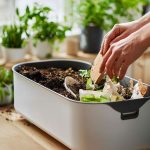
Composting transforms kitchen scraps from environmental liabilities into ecological assets. By adopting this practice, households can reduce methane emissions, build resilient soils, and support biodiversity. As communities prioritize sustainability, composting emerges as a simple yet powerful tool for creating healthier ecosystems and combating climate change. Start today by separating organic waste and investing in a compost bin – your soil, and the planet, will thank you.
Allan is a lifelong gardening enthusiast who still gets excited when the first seedlings pop up in spring. With a deep love for nature and a hands-in-the-soil approach, he shares practical tips, plant discoveries, and clever tricks picked up over years of digging, planting, and observing. Whether you’re a new gardener or have a shed full of tools, Allan writes like a neighbor who’s always happy to swap cuttings and stories over the fence.
You can find more about Allan’s work on Malt or connect with him on LinkedIn.
12 Replies to “Stop Tossing These Kitchen Scraps — Your Soil Will Thank You”
Started composting last year with coffee grounds and eggshells. my garden’s way happier, and my tomatoes are flourishing. didn’t expect such a simple change to help!
Some ideas on using kitchen scraps are great, but not sure i’d want to store them if attracting pests is an issue. still, the soil boost sounds nice.
I didn’t realize how handy kitchen scraps could be for soil. i’ll have to give it a try and see if it actually makes a difference in my garden.
How do i start composting if i live in an apartment without a garden?
Absolutely love this idea! can’t wait to turn my kitchen scraps into soil magic. thanks for the tips! 🌿
Can i compost citrus peels, and if yes, do they need any special treatment?
Awesome tips! using kitchen scraps for composting is such a game-changer, both for the garden and reducing waste at home. my plants are thriving now! 🌿
I love this! turning kitchen scraps into gold for the garden is like magic. can’t wait to try it and ditch trash cans for compost heaps! 🌱💚
Love this! kitchen scraps are now treasure, not trash. perfect way to enrich my garden and help the planet a little bit at a time 🌱🌍
🍃 Yes please!
Any tips on how to start composting if i live in an apartment with no garden space?




Started composting last year with coffee grounds and eggshells. my garden’s way happier, and my tomatoes are flourishing. didn’t expect such a simple change to help!
Some ideas on using kitchen scraps are great, but not sure i’d want to store them if attracting pests is an issue. still, the soil boost sounds nice.
I didn’t realize how handy kitchen scraps could be for soil. i’ll have to give it a try and see if it actually makes a difference in my garden.
How do i start composting if i live in an apartment without a garden?
Absolutely love this idea! can’t wait to turn my kitchen scraps into soil magic. thanks for the tips! 🌿
Can i compost citrus peels, and if yes, do they need any special treatment?
Awesome tips! using kitchen scraps for composting is such a game-changer, both for the garden and reducing waste at home. my plants are thriving now! 🌿
I love this! turning kitchen scraps into gold for the garden is like magic. can’t wait to try it and ditch trash cans for compost heaps! 🌱💚
Love this! kitchen scraps are now treasure, not trash. perfect way to enrich my garden and help the planet a little bit at a time 🌱🌍
🍃 Yes please!
Any tips on how to start composting if i live in an apartment with no garden space?
Will definitely try