Use These 2 Kitchen Scraps To Boost Your Roses And Hydrangeas
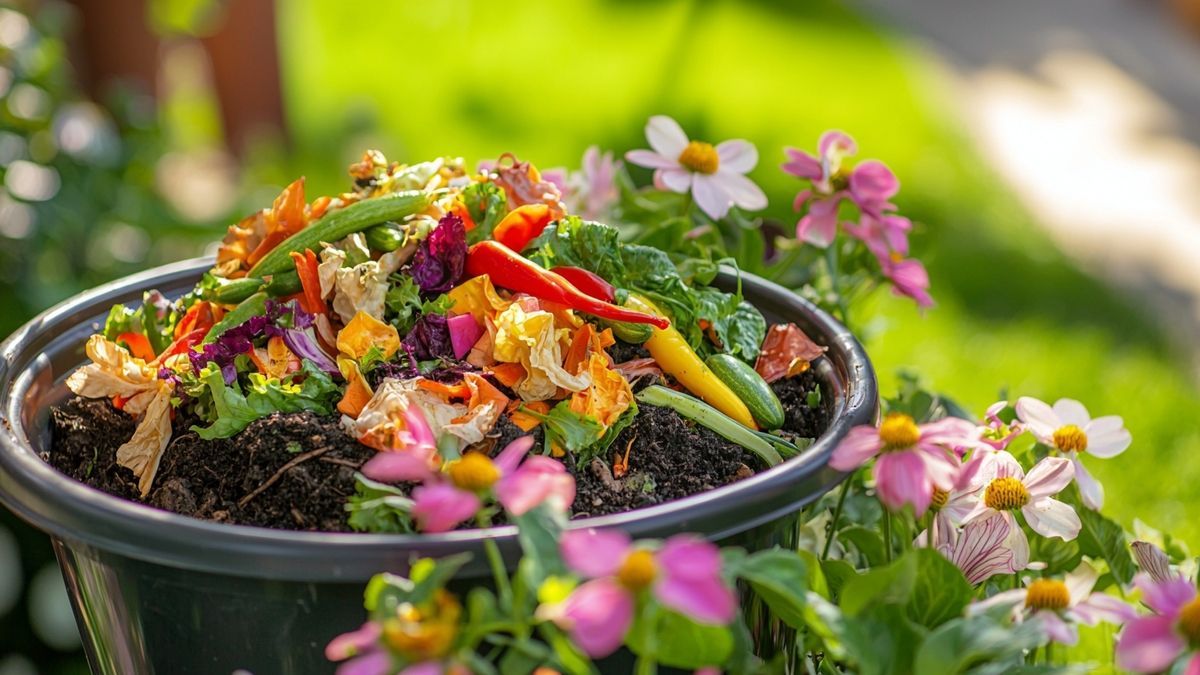
Gardening enthusiasts are constantly seeking natural and cost-effective ways to boost the health and blooming capacity of their beloved flowering plants. Recent studies and expert gardeners have identified that common kitchen scraps – items we typically discard without a second thought – can dramatically improve the growth and flowering of roses and hydrangeas. Instead of spending money on expensive commercial fertilizers, homeowners can repurpose organic waste from their kitchens to create nutrient-rich soil amendments. This eco-friendly approach not only reduces household waste but also promotes sustainable gardening practices while producing more vibrant, prolific blooms in the garden.
The movement toward sustainable gardening has gained significant momentum in recent years, with more gardeners recognizing the value of kitchen waste as a resource rather than garbage. Conventional fertilizers, while effective, often contain synthetic chemicals that can harm beneficial soil organisms and potentially leach into groundwater. By contrast, organic matter from kitchen scraps breaks down slowly, releasing nutrients gradually and improving soil structure over time. This slow-release approach provides plants with a steady supply of nutrients that more closely mimics natural processes, resulting in healthier plants that are more resistant to disease and environmental stressors.
Using kitchen scraps in the garden offers multiple advantages beyond simply feeding your plants. These organic additions improve soil structure by increasing aeration and water retention capabilities. They also foster beneficial microbial activity, creating a living soil web that supports plant health from the roots up. Additionally, diverting food waste from landfills reduces methane emissions, a potent greenhouse gas that contributes to climate change. For budget-conscious gardeners, utilizing items already purchased for food preparation represents significant savings compared to commercial fertilizers and soil amendments.
Banana peels: the potassium powerhouse your flowering plants crave
Among the most valuable kitchen scraps for roses and hydrangeas are banana peels, which contain high levels of potassium – an essential nutrient for flower production. Potassium plays a crucial role in photosynthesis, water uptake, and disease resistance in plants. For flowering plants specifically, potassium is vital for the development of strong stems and robust blooms. Hydrangeas, being particularly heavy feeders, respond dramatically to potassium-rich amendments, often producing more abundant and colorful flowers when supplemented with banana peel fertilizer.
[smartquiz]
How to prepare banana peels for garden application
The simplest way to utilize banana peels is to add them directly to your compost pile, where they’ll break down along with other organic materials. However, for more immediate results, there are several preparation methods that can speed up nutrient availability. One effective approach is to chop banana peels into small pieces and bury them 1-2 inches deep around the drip line of roses and hydrangeas. As the peels decompose, they gradually release nutrients directly into the root zone. Alternatively, you can create a banana peel infusion by placing chopped peels in a jar of water with a breathable cover to prevent insects while allowing air circulation. After steeping for several days, this nutrient-rich “tea” can be used to water your flowering plants.
Eggshells: calcium supplements that influence bloom color
Eggshells represent another valuable kitchen waste product that benefits flowering plants, particularly hydrangeas. Composed primarily of calcium carbonate, eggshells gradually raise soil pH as they decompose. This pH adjustment is especially significant for hydrangeas, whose bloom color is directly influenced by soil acidity. In more alkaline conditions created by eggshell additions, many hydrangea varieties will produce vibrant pink blooms rather than blue ones. Besides affecting flower color, calcium strengthens cell walls, improving overall plant structure and disease resistance.
Proper preparation techniques for maximum benefit
To effectively use eggshells in the garden, proper preparation is essential. Rinse used eggshells thoroughly to remove any remaining egg white, which could attract pests. Allow them to dry completely before crushing them into small pieces – the finer the particles, the more quickly they’ll break down and release nutrients. A coffee grinder or food processor can create a fine eggshell powder that will incorporate more readily into the soil. For roses and hydrangeas, apply a handful of crushed eggshells around the base of each plant in early spring and again after the first bloom cycle to support continued flowering throughout the season.
Coffee grounds: the acid-loving plant supplement
Coffee grounds have long been recognized as beneficial additions to garden soil, particularly for acid-loving plants. Both roses and hydrangeas, especially blue-flowering hydrangea varieties, thrive in slightly acidic conditions. Used coffee grounds typically have a pH between 6.5 and 6.8, making them slightly acidic and perfect for these flowering plants. Beyond pH adjustment, coffee grounds contribute significant nitrogen to the soil, an essential nutrient for leaf and stem development.
Application methods for optimal results
There are several effective ways to incorporate coffee grounds into your rose and hydrangea care routine. For immediate use, sprinkle a thin layer of used grounds (no more than half an inch) around the base of plants, being careful not to allow them to touch stems directly as this can promote rot. Then, lightly scratch the grounds into the top layer of soil. Alternatively, add coffee grounds to your compost pile where they’ll balance out carbon-rich “brown” materials like dried leaves. For a quick liquid fertilizer, steep two cups of used coffee grounds in a five-gallon bucket of water for 24 hours, then use this coffee “tea” to water your flowering plants during their active growing season.
Combining approaches for maximum flowering impact
While each kitchen scrap offers specific benefits, combining these organic amendments often yields the best results for rose and hydrangea cultivation. A comprehensive approach might include incorporating banana peels for potassium, eggshells for calcium and pH adjustment, and coffee grounds for nitrogen and slight acidification. This balanced nutrient profile addresses the complete needs of flowering plants while improving overall soil health.
Creating a specialized compost for flowering plants
Dedicated gardeners might consider creating a specialized compost mixture specifically for roses and hydrangeas. Start with a standard compost bin or tumbler, but increase the proportion of banana peels, eggshells, and coffee grounds compared to other kitchen scraps. Maintain the proper carbon-to-nitrogen ratio by adding sufficient “brown” materials like dried leaves or shredded newspaper. Turn this specialized compost regularly to ensure even decomposition, and apply it as a top dressing around flowering plants in spring and early summer to support robust blooming.
Seasonal application timing for maximum effectiveness
The timing of kitchen scrap applications significantly impacts their effectiveness for roses and hydrangeas. Early spring, just as new growth begins, represents an ideal time for the first application of the season. This timing provides nutrients during the critical growth phase when plants are establishing the foundation for the year’s blooming cycles. A second application after the first flush of flowers helps support continued blooming throughout the summer. For hydrangeas specifically, applying eggshells in late winter can influence bloom color for the coming season, while banana peel applications are most beneficial during the active growing period from spring through mid-summer.
Adjusting applications based on plant response
Careful observation of plant response should guide your kitchen scrap application regimen. Excessive leaf growth with limited flowering may indicate too much nitrogen, suggesting you should reduce coffee ground applications and increase banana peels to balance the nutrient profile. Conversely, weak stems or poor overall growth might signal a need for more comprehensive nutrition. Track your plants’ performance throughout the growing season and adjust your amendment strategy accordingly to achieve optimal results.
Expert insights on maximizing kitchen scrap effectiveness
Gardening specialists emphasize that consistency is key when using kitchen scraps as plant nutrients. Rather than sporadic, heavy applications, regular smaller additions produce better results with less risk of nutrient imbalances or attracting pests. Holly, an eco-conscious gardening blogger, recommends incorporating these organic materials into existing soil maintenance routines, such as spring mulching or seasonal feeding schedules. This integrated approach ensures plants receive a steady supply of nutrients while simplifying the gardening workflow.
Common mistakes to avoid when using kitchen waste
While kitchen scraps offer tremendous benefits for roses and hydrangeas, improper application can sometimes cause problems. Avoid placing fresh, undecomposed scraps directly against plant stems, as this can promote fungal diseases and attract unwanted pests. Never use meat, dairy, or oily food waste around ornamental plants, as these materials break down differently and may attract rodents or other wildlife. Finally, be careful not to over-apply any single type of kitchen waste, as nutrient imbalances can sometimes be as problematic as deficiencies. A balanced, thoughtful approach yields the best results for garden flowering plants.
The journey from kitchen waste to garden treasure represents a perfect example of sustainable gardening practices that benefit both plants and the environment. By redirecting banana peels, eggshells, and coffee grounds from the trash to the garden, home gardeners can significantly reduce household waste while creating more vibrant, productive flowering plants. These simple, cost-effective techniques connect modern gardening with traditional wisdom, offering a path to garden success that’s both environmentally responsible and highly effective. As more gardeners embrace these practices, the collective impact on waste reduction and sustainable horticulture continues to grow – one banana peel and eggshell at a time.
Allan is a lifelong gardening enthusiast who still gets excited when the first seedlings pop up in spring. With a deep love for nature and a hands-in-the-soil approach, he shares practical tips, plant discoveries, and clever tricks picked up over years of digging, planting, and observing. Whether you’re a new gardener or have a shed full of tools, Allan writes like a neighbor who’s always happy to swap cuttings and stories over the fence.
You can find more about Allan’s work on Malt or connect with him on LinkedIn.
15 Replies to “Use These 2 Kitchen Scraps To Boost Your Roses And Hydrangeas”
Which kitchen scraps should i use for roses and hydrangeas?
Wow, never thought kitchen scraps could help in the garden. can’t wait to try this with my roses and hydrangeas—they’re gonna thrive! anyone tried it yet? 🌹💧🌿
What specific kitchen scraps are the best for roses and hydrangeas, and how should i apply them to get the best results?
I started using banana peels for my roses and crushed eggshells for hydrangeas after reading something online. it was amazing to see how they both grew fuller and more vibrant within a few weeks.
What are the two kitchen scraps that can help boost roses and hydrangeas?
Nice tip! 🌹
Love this! who knew kitchen scraps could be so helpful in gardening? can’t wait to try this with my blooms, thanks! 🌹💐
What kitchen scraps should i start using for my roses and hydrangeas? i’m curious how they can make a difference!
Interesting tip, but i’m curious if using kitchen scraps has any downsides too. might give it a try with my roses and see if there’s a noticeable difference!
I started using eggshells and banana peels in my garden last summer. my roses never looked better, and the hydrangeas gained vibrant color—i’m hooked! anyone else tried this?
Wow, i had no idea kitchen scraps could be so useful in the garden! can’t wait to try this out on my roses and hydrangeas. thanks for the awesome tip! 🌹🌿
Totally worked for me! used coffee grounds and eggshells on my roses last spring and saw a huge difference in blooms, plus the soil looked healthier. highly recommend👍
What kitchen scraps are the best for boosting roses and hydrangeas, and how should they be used in the garden?
Which kitchen scraps are best for roses and hydrangeas? i’m curious about how to use them effectively!
What are the two kitchen scraps you can use for roses and hydrangeas? curious if i already have them at home!






Which kitchen scraps should i use for roses and hydrangeas?
Wow, never thought kitchen scraps could help in the garden. can’t wait to try this with my roses and hydrangeas—they’re gonna thrive! anyone tried it yet? 🌹💧🌿
What specific kitchen scraps are the best for roses and hydrangeas, and how should i apply them to get the best results?
I started using banana peels for my roses and crushed eggshells for hydrangeas after reading something online. it was amazing to see how they both grew fuller and more vibrant within a few weeks.
What are the two kitchen scraps that can help boost roses and hydrangeas?
Nice tip! 🌹
Love this! who knew kitchen scraps could be so helpful in gardening? can’t wait to try this with my blooms, thanks! 🌹💐
What kitchen scraps should i start using for my roses and hydrangeas? i’m curious how they can make a difference!
Interesting tip, but i’m curious if using kitchen scraps has any downsides too. might give it a try with my roses and see if there’s a noticeable difference!
I started using eggshells and banana peels in my garden last summer. my roses never looked better, and the hydrangeas gained vibrant color—i’m hooked! anyone else tried this?
Wow, i had no idea kitchen scraps could be so useful in the garden! can’t wait to try this out on my roses and hydrangeas. thanks for the awesome tip! 🌹🌿
Totally worked for me! used coffee grounds and eggshells on my roses last spring and saw a huge difference in blooms, plus the soil looked healthier. highly recommend👍
What kitchen scraps are the best for boosting roses and hydrangeas, and how should they be used in the garden?
Which kitchen scraps are best for roses and hydrangeas? i’m curious about how to use them effectively!
What are the two kitchen scraps you can use for roses and hydrangeas? curious if i already have them at home!