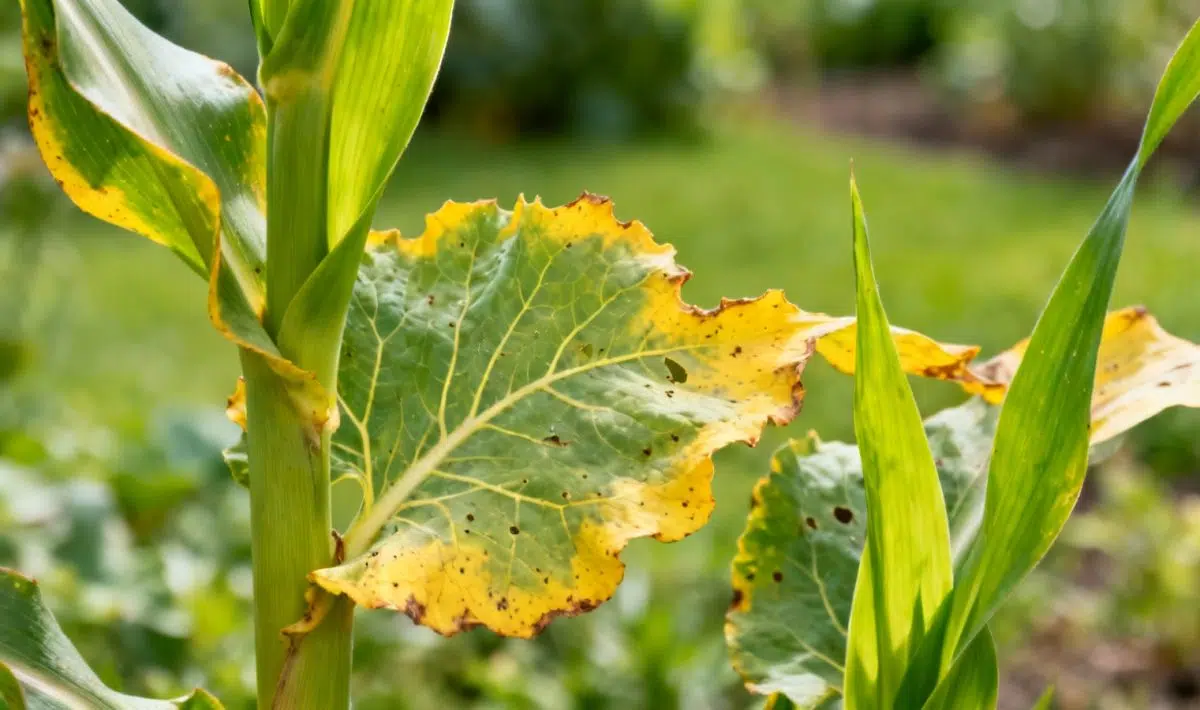
Why are my corn poppy leaves turning yellow – causes and quick solutions
Nothing feels quite as disappointing as watching your beautiful corn poppies develop yellow leaves when you were expecting a vibrant display of colorful blooms. This common issue affects many gardeners, but the good news is that most causes are entirely fixable with the right approach.
Yellow leaves on corn poppies typically signal stress from environmental factors, watering problems, or nutrient imbalances. Understanding these causes helps you provide better care for your plants and restore their healthy green foliage.
Understanding your corn poppy species and their needs
Corn poppies, scientifically known as Papaver rhoeas, are hardy annual flowers that thrive in well-drained soil with plenty of sunlight. These species prefer cooler temperatures and can struggle when conditions aren’t quite right for their specific needs.
Your poppies need at least six hours of direct sunlight daily to maintain healthy green leaves. When they don’t receive adequate light, the lower leaves often turn yellow first as the plant redirects energy to the upper foliage that catches more sun.
Water requirements vary throughout their growing season, but corn poppies generally prefer moderate moisture levels. Too much or too little water creates stress that manifests as yellowing foliage, making proper watering techniques essential for plant health.
✅ Quick Checklist
Is the soil too wet or too dry?
Is the plant getting 6+ hours of sunlight daily?
Have you fertilized in the last 2 months?
Are there visible pests under the leaves?
Does the pot have adequate drainage?
🔥 FREE
📱
Diagnose your plant in one click!
AI instant diagnosis • Personalized solutions • 50,000+ species
Overwatering ranks as the most frequent cause of yellowing poppy leaves. When soil stays constantly wet, roots can’t access oxygen properly, which leads to root rot and subsequent leaf yellowing from the bottom up.
Check your soil moisture by inserting your finger two inches deep. If it feels soggy or water pools on the surface after watering, you’re likely providing too much water for your corn poppies to handle effectively.
Conversely, underwatering also causes yellow leaves, but with different symptoms. Drought-stressed poppies develop yellow leaves that feel dry and crispy, often starting from the tips and edges before spreading inward across the leaf surface.
The key is finding that sweet spot where soil feels slightly moist but never waterlogged. Good drainage becomes crucial, especially in heavy clay soils that naturally retain more water than your poppies prefer.
Nutrient deficiencies affecting leaf color
Nitrogen deficiency commonly causes yellowing in corn poppy leaves, starting with the older, lower leaves and gradually moving upward. This happens because plants naturally move nitrogen from older leaves to support new growth when supplies run low.
Potassium deficiency presents differently, creating yellow edges on leaves while the center remains green. You might also notice brown spots developing on affected leaves, indicating that your poppies need additional potassium support.
Iron deficiency, though less common, causes yellowing between leaf veins while the veins themselves stay green. This creates a distinctive striped pattern that’s easy to identify once you know what to look for in your plants. Similar yellowing patterns can affect other plants, as discussed in articles about causes of yellowing honeysuckle leaves.
A balanced, slow-release fertilizer applied early in the growing season usually provides adequate nutrition for healthy corn poppies throughout their lifecycle.
Environmental stress factors
High temperatures combined with intense sunlight can cause heat stress in corn poppies, leading to yellowing leaves and reduced flowering. These cool-season annuals prefer temperatures between 55-65°F for optimal growth and bloom production.
During hot spells, provide afternoon shade using shade cloth or strategically placed taller plants. This simple step can significantly reduce stress and keep your poppy leaves from turning yellow during peak summer heat.
Poor air circulation around your plants creates conditions favorable for fungal diseases, which often manifest as yellowing leaves with spots or unusual patterns. Ensure adequate spacing between plants to promote good airflow.
Sudden temperature changes, whether from cold snaps or heat waves, can shock corn poppies into dropping their lower leaves. While this looks alarming, healthy plants usually recover once temperatures stabilize again.
Disease and pest problems
Fungal diseases like downy mildew and powdery mildew frequently cause yellowing in poppy leaves, often accompanied by white or grayish powder on leaf surfaces. These diseases thrive in humid conditions with poor air circulation.
Aphids and other small insects can cause yellowing by sucking plant juices from leaves. Check the undersides of yellow leaves for tiny insects or sticky honeydew residue that indicates pest activity.
Root rot from soil-borne fungi appears as yellowing leaves that eventually turn brown and drop off. This serious condition requires immediate attention, including improving drainage and reducing watering frequency. The same symptoms can appear in other garden plants, as seen with understanding yellowing pomegranate leaves.
Prevention works better than treatment for most diseases. Ensure good drainage, avoid overhead watering, and remove affected plant material promptly to prevent disease spread.
✅ Quick Checklist
Is the soil too wet or too dry?
Is the plant getting 6+ hours of sunlight daily?
Have you fertilized in the last 2 months?
Are there visible pests under the leaves?
Does the pot have adequate drainage?
🔥 FREE
📱
Diagnose your plant in one click!
AI instant diagnosis • Personalized solutions • 50,000+ species
Start with the basics: adjust your watering schedule to provide deep, infrequent irrigation rather than frequent light watering. This encourages deeper root development and reduces the risk of root rot that causes yellowing.
Apply a balanced fertilizer with equal parts nitrogen, phosphorus, and potassium if you suspect nutrient deficiency. Organic options like compost or fish emulsion work well and provide gentle, long-lasting nutrition for your corn poppies.
Improve soil drainage by adding organic matter like compost or perlite to heavy soils. Well-draining soil prevents many of the water-related issues that lead to yellow leaves in the first place.
Remove affected yellow leaves promptly to prevent disease spread and redirect the plant’s energy toward healthy foliage and flower production. Use clean, sharp scissors to make clean cuts that heal quickly.
Prevention tips for future growing seasons
Plant your corn poppies in well-prepared soil with good drainage and full sun exposure. This simple step prevents many of the environmental stress factors that cause yellowing leaves throughout the growing season.
Maintain consistent but not excessive watering, checking soil moisture regularly rather than following a rigid schedule. Weather conditions and soil type affect how quickly your plants use water, so flexibility helps prevent problems.
Space plants appropriately to ensure good air circulation, which reduces fungal disease risk and helps prevent the yellowing leaves that often accompany these problems.
With proper care and attention to these key factors, your corn poppies can maintain vibrant green foliage and produce the stunning blooms that make them such popular garden favorites.
Allan is a lifelong gardening enthusiast who still gets excited when the first seedlings pop up in spring. With a deep love for nature and a hands-in-the-soil approach, he shares practical tips, plant discoveries, and clever tricks picked up over years of digging, planting, and observing. Whether you’re a new gardener or have a shed full of tools, Allan writes like a neighbor who’s always happy to swap cuttings and stories over the fence.
You can find more about Allan’s work on Malt or connect with him on LinkedIn.