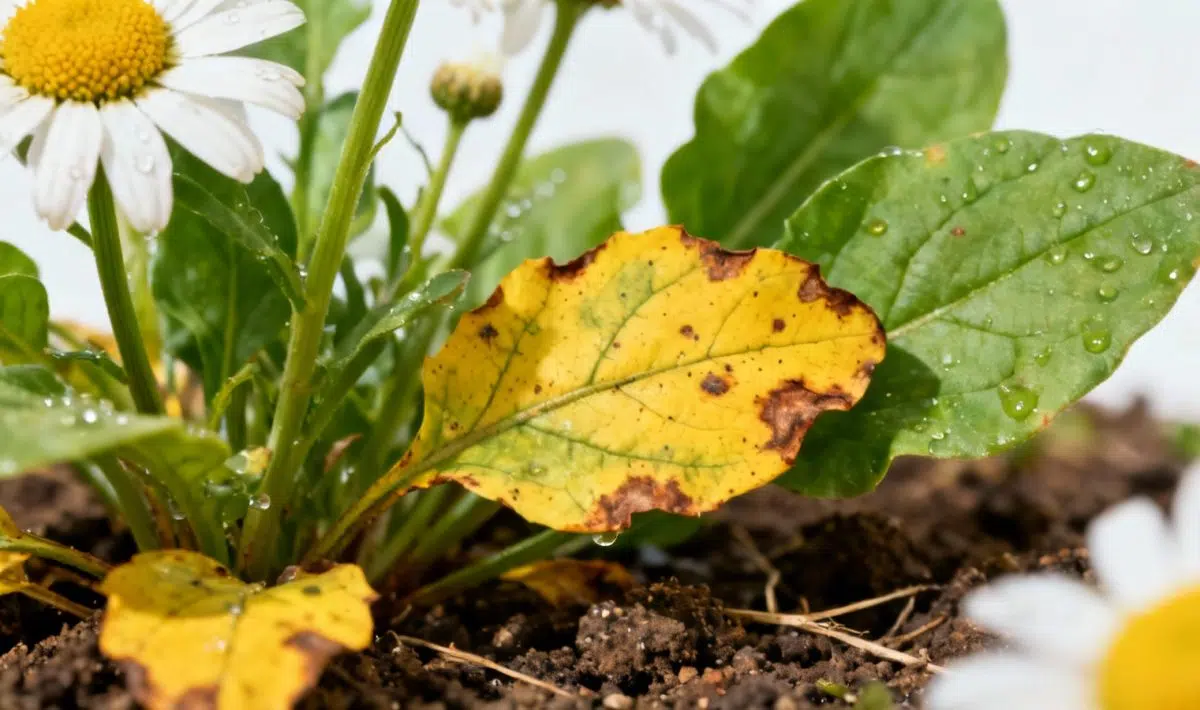
Why are my oxeye daisy leaves turning yellow – causes and solutions
Nothing’s quite as disheartening as watching your beautiful oxeye daisies develop yellow leaves when they should be flourishing in your garden. These wild flowers are typically robust and cheerful, but when their foliage starts changing color, it’s often a cry for help that many gardeners struggle to decode.
The good news is that yellowing leaves on oxeye daisies are usually fixable once you understand what’s causing the problem. Whether you’re growing these lovely plants from graines or nurturing established specimens, identifying the root cause is your first step toward restoring their health.
Several factors can turn your oxeye daisy leaves from their healthy green to an unwanted yellow. Understanding these causes helps you tackle the issue head-on and prevent future problems in your flowering garden.
Watering problems – the most frequent culprit
Overwatering ranks as the number one reason why oxeye daisy leaves turn yellow. These wild flowers prefer well-draining soil and can’t tolerate waterlogged conditions. When roots sit in soggy soil, they can’t absorb oxygen properly, leading to root rot and yellowing foliage.
On the flip side, underwatering can also cause yellow leaves, though this typically starts with wilting before the color change occurs. Oxeye daisies need consistent moisture during their growing season, especially in summer heat.
✅ Quick Checklist
Is the soil too wet or too dry?
Is the plant getting 6+ hours of sunlight daily?
Have you fertilized in the last 2 months?
Are there visible pests under the leaves?
Does the pot have adequate drainage?
🔥 FREE
📱
Diagnose your plant in one click!
AI instant diagnosis • Personalized solutions • 50,000+ species
Yellow leaves often signal that your oxeye daisies aren’t getting the nutrients they need. Nitrogen deficiency is particularly common and shows up as yellowing that starts with older, lower leaves first. Iron deficiency creates a different pattern, with newer leaves turning yellow while veins remain green.
These flowering plants aren’t heavy feeders, but they do appreciate balanced nutrition throughout their growing season. Poor soil quality or lack of organic matter can lead to nutrient lockout, where plants can’t access available nutrients.
Disease and pest issues
Fungal diseases like powdery mildew or leaf spot can cause yellowing, often accompanied by other symptoms like spots or fuzzy growth. Root rot, usually caused by overwatering, attacks the plant’s foundation and manifests as yellow, wilting leaves.
Aphids and other sap-sucking insects can also stress plants enough to cause yellowing. These tiny pests are often found on the undersides of leaves and can multiply rapidly in warm conditions. Similar yellowing patterns appear in other garden plants, as explained in guides about pomegranate leaves turning yellow causes.
Environmental factors affecting oxeye daisy health
Your garden’s growing conditions play a huge role in keeping oxeye daisies healthy and preventing yellow leaves. These hardy wild flowers have specific preferences that, when met, help them thrive beautifully.
Soil conditions and pH levels
Oxeye daisies prefer slightly alkaline to neutral soil, with a pH between 6.0 and 7.5. When soil becomes too acidic or too alkaline, plants struggle to absorb nutrients properly, leading to yellowing leaves despite adequate fertilization.
Compacted soil is another common issue that restricts root growth and water drainage. These plants need well-draining soil that allows air circulation around their roots, especially during wet spring weather when many grasses and wild flowers are emerging.
Light exposure requirements
While oxeye daisies are generally adaptable, insufficient light can cause weak growth and yellow leaves. These plants perform best with at least 6 hours of direct sunlight daily, though they can tolerate some afternoon shade in particularly hot climates.
Too much intense heat without adequate moisture can also stress plants, causing leaves to yellow as a protective mechanism. This is especially common during hot summer days when plants are trying to conserve water.
Proven solutions to restore your daisies
Once you’ve identified why your oxeye daisy leaves are turning yellow, implementing the right solutions becomes straightforward. Most issues can be resolved with proper care adjustments and a bit of patience.
Adjusting your watering routine
Create a consistent watering schedule that keeps soil evenly moist but never waterlogged. Check soil moisture by inserting your finger 2-3 inches deep – if it feels dry, it’s time to water. During hot summer weather, this might mean watering every 2-3 days.
Ensure your garden beds or containers have excellent drainage. If water pools on the surface after watering, consider adding compost or sand to improve soil structure. For container plants, verify that drainage holes aren’t blocked.
Providing proper nutrition
Feed your oxeye daisies with a balanced, slow-release fertilizer in early spring when new growth appears. A 10-10-10 fertilizer works well, applied according to package directions. Avoid over-fertilizing, which can cause excessive foliage growth at the expense of flowering.
Organic options like compost or well-aged manure provide gentle, long-lasting nutrition while improving soil structure. Work these amendments into the soil around your plants in spring, taking care not to damage shallow roots.
Disease and pest management
Remove yellowing leaves promptly to prevent disease spread and improve air circulation around your plants. For fungal issues, ensure adequate spacing between plants and avoid overhead watering when possible.
Natural pest control methods work well for most issues affecting oxeye daisies. Insecticidal soap effectively controls aphids, while neem oil provides broader protection against various pests. Many gardeners face similar challenges with herbs, as detailed in articles about peppermint leaves turning yellow solutions.
✅ Quick Checklist
Is the soil too wet or too dry?
Is the plant getting 6+ hours of sunlight daily?
Have you fertilized in the last 2 months?
Are there visible pests under the leaves?
Does the pot have adequate drainage?
🔥 FREE
📱
Diagnose your plant in one click!
AI instant diagnosis • Personalized solutions • 50,000+ species
Preventing yellow leaves is always easier than treating them after they appear. With the right approach, you can keep your oxeye daisies healthy and flowering beautifully throughout their growing season.
Choosing quality seeds and plants
Start with high-quality graines from reputable suppliers to ensure your oxeye daisies have the best genetic foundation. Healthy plants are naturally more resistant to diseases and environmental stress that can cause yellowing.
When selecting nursery plants, choose specimens with vibrant green foliage and no signs of stress or disease. Avoid plants with yellow leaves, even if they’re offered at a discount – these problems often persist or worsen after planting.
Creating optimal growing conditions
Prepare your garden beds thoroughly before planting, incorporating organic matter to improve drainage and soil structure. Oxeye daisies thrive in well-prepared soil that mimics their natural wild habitat.
Consider companion planting with other wild flowers, native grasses, or herbs that have similar growing requirements. This creates a balanced garden ecosystem that supports plant health naturally while reducing maintenance needs.
Regular monitoring and maintenance
Inspect your oxeye daisies weekly during the growing season, looking for early signs of stress, disease, or pest problems. Early intervention prevents small issues from becoming major problems that cause widespread yellowing.
Deadhead spent flowers regularly to encourage continued blooming and prevent the plant from putting energy into seed production at the expense of foliage health. This simple maintenance task keeps plants vigorous and reduces stress that can lead to yellow leaves.
Remember that some seasonal yellowing is normal, especially as plants prepare for dormancy in late summer or fall. However, widespread yellowing during the active growing season indicates an issue that needs attention. With proper care, these resilient wild flowers will reward you with golden blooms and healthy green foliage that brightens any garden space.
Allan is a lifelong gardening enthusiast who still gets excited when the first seedlings pop up in spring. With a deep love for nature and a hands-in-the-soil approach, he shares practical tips, plant discoveries, and clever tricks picked up over years of digging, planting, and observing. Whether you’re a new gardener or have a shed full of tools, Allan writes like a neighbor who’s always happy to swap cuttings and stories over the fence.
You can find more about Allan’s work on Malt or connect with him on LinkedIn.