
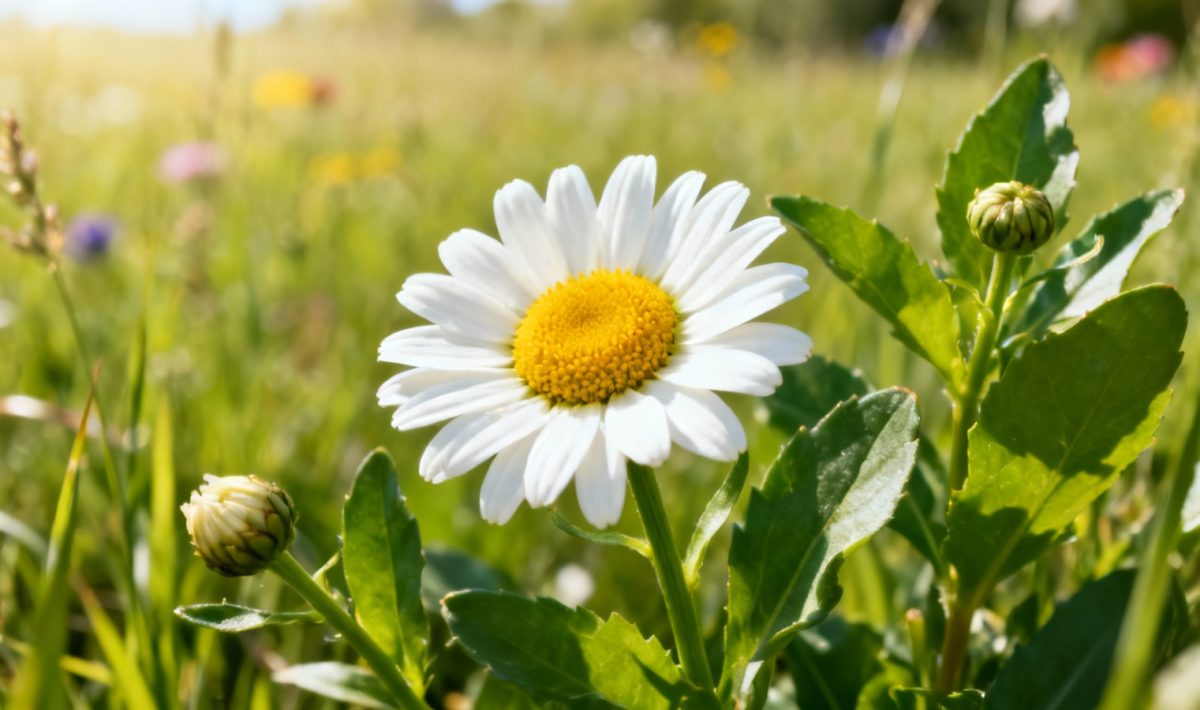
Understanding oxeye daisy sunlight needs
When you’re planning your garden, understanding how much sunlight does oxeye daisy need can make the difference between thriving blooms and disappointing results. This cheerful perennial demands specific lighting conditions that are quite different from other common garden plants. The oxeye daisy, scientifically known as Leucanthemum vulgare, has evolved to flourish in open, sun-drenched environments where it can spread its classic white petals to their fullest potential.
Research shows that these hardy plants perform best with full sun exposure, requiring at least 6-8 hours of direct sunlight daily. However, they can tolerate partial shade conditions, though this significantly impacts their growth and flowering capacity. Studies indicate that when light levels drop by 85%, the biomass of established rosettes decreases by 70%, while seedlings suffer an even more dramatic 92% reduction in growth.
Natural habitat and growth characteristics
Oxeye daisies originally thrived in European meadows and grasslands where they enjoyed unobstructed access to sunlight throughout the growing season. In their natural habitat, these resilient flowers compete successfully with grasses and other wildflowers precisely because they’ve adapted to maximize light capture. Their distinctive white petals and yellow centers aren’t just beautiful – they’re evolutionary adaptations that help the plant attract pollinators in bright, open spaces.
The plant’s growth pattern reflects its sun-loving nature. In optimal conditions with full sunlight, oxeye daisies develop sturdy stems that can reach 12-36 inches tall, supporting robust flower heads that bloom from late spring through early fall. Much like how sunlight requirements for strawberry plants are critical for fruit production, adequate light exposure directly correlates with the number and size of daisy blooms you’ll enjoy in your garden.
Optimal growing conditions for maximum blooms
Creating the ideal environment for your oxeye daisies starts with selecting the right location in your garden. These plants thrive when positioned where they can receive morning sun, which helps dry dew from the leaves and reduces the risk of fungal diseases. The afternoon sun, while beneficial, should be balanced with some protection during the hottest part of summer days in regions with intense heat.
Soil quality works hand in hand with sunlight exposure to determine plant success. Oxeye daisies prefer well-draining soil with a neutral to slightly alkaline pH. When planted in rich, fertile ground combined with adequate sunlight, these flowers often self-seed readily, creating natural drifts that return year after year. This characteristic makes them excellent choices for cottage garden designs and naturalized plantings.
Seasonal light variations and plant response
Throughout the growing season, oxeye daisies adjust their growth patterns based on available light. Spring emergence depends heavily on soil temperature and increasing daylight hours, with seedlings requiring consistent light exposure for proper establishment. Summer represents the peak growing period when plants with adequate sun exposure produce their most abundant blooms and develop the strongest root systems.
Interestingly, the way these plants respond to light changes is similar to ideal sunlight for common selfheal, where consistent exposure leads to better overall plant health. During autumn, even as daylight hours decrease, established oxeye daisies continue blooming until the first frost, provided they’ve received sufficient summer sun to build energy reserves.
Managing shade and partial sun conditions
While oxeye daisies prefer full sun, gardeners working with partially shaded areas can still achieve success with careful planning. In locations that receive 4-6 hours of direct sunlight, plants will grow but may produce fewer flowers and exhibit more elongated stems as they stretch toward available light. This phenomenon, known as etiolation, results in less sturdy plants that may require staking.
To maximize success in partial shade, consider these practical strategies:
- Plant in the sunniest available spot, even if it’s not ideal
- Trim back overhanging branches to increase light penetration
- Use reflective mulches like light-colored gravel to boost available light
- Space plants further apart to reduce competition
- Provide supplemental feeding to compensate for reduced photosynthesis
Choosing the right seeds and varieties
When shopping for oxeye daisy seeds, you’ll find several cultivars that offer slight variations in size and flowering characteristics. The classic Leucanthemum vulgare remains the most popular choice for its reliability and naturalistic appearance. Shasta daisy varieties, while closely related, often require similar light conditions but may offer larger blooms or different color variations.
Quality matters significantly when purchasing seeds online. Reputable suppliers provide detailed information about germination rates, growing requirements, and expected bloom times. Many experienced gardeners recommend buying from established garden centers or specialized seed companies that offer guarantees on their products. Just as optimum sunlight for maize crops affects harvest quality, starting with high-quality seeds gives your garden the best foundation for success.
Organic versus conventional seed options
Organic oxeye daisy seeds offer several advantages for environmentally conscious gardeners. These seeds come from plants grown without synthetic pesticides or fertilizers, often resulting in stronger, more resilient plants that adapt better to natural growing conditions. While organic seeds may cost slightly more, they typically demonstrate better germination rates and produce plants with robust root systems that better withstand environmental stresses.
Conventional seeds remain a popular choice for large-scale plantings or budget-conscious gardeners. These seeds often undergo additional processing that can improve germination consistency. Regardless of which type you choose, proper storage and planting techniques matter more than the production method for ultimate garden success.
Planting and establishment tips
Successful oxeye daisy establishment begins with timing and technique. Spring planting works best in most climates, allowing plants to establish before summer heat stress. Seeds can be direct-sown in prepared garden beds or started indoors 6-8 weeks before the last expected frost. The key lies in providing consistent moisture during germination while ensuring adequate light reaches the seedlings.
Proper spacing plays a crucial role in plant development. Allow 12-18 inches between plants to prevent overcrowding and ensure each specimen receives adequate sunlight. This spacing also promotes better air circulation, reducing disease pressure that can affect plants grown too closely together. Similar attention to spacing requirements applies to other sun-loving plants like sunlight needs of Heart of Jesus, where proper placement determines overall garden success.
First-year care and establishment
During the first growing season, young oxeye daisies benefit from consistent watering and protection from extreme weather. While these plants are ultimately drought-tolerant, newly established specimens need regular moisture to develop strong root systems. Mulching around plants helps retain soil moisture while suppressing weeds that might compete for light and nutrients.
Fertilization should be minimal during establishment. These hardy perennials actually perform better in moderately fertile soil rather than heavily enriched conditions. Over-fertilization can lead to excessive foliage growth at the expense of flower production, particularly in plants that aren’t receiving optimal sunlight levels.
Where to purchase quality seeds
Online retailers offer the widest selection of oxeye daisy varieties, with many specializing in wildflower and native plant seeds. Established companies typically provide detailed growing instructions and customer support to help ensure gardening success. When shopping online, look for suppliers that offer fresh seed with recent harvest dates, as germination rates decline with age.
eBay and other marketplace platforms can offer competitive pricing on bulk quantities, making them attractive options for large-scale plantings. However, buyer verification becomes important when purchasing from individual sellers. Read customer reviews carefully and choose sellers with high ratings and detailed product descriptions that include germination guarantees.
Local garden centers remain excellent sources for oxeye daisy seeds, offering the advantage of regional expertise and varieties suited to local growing conditions. These suppliers can provide valuable advice about planting timing and care specific to your area’s climate and soil conditions. Many also offer return policies that provide additional peace of mind for your gardening investment.

Allan is a lifelong gardening enthusiast who still gets excited when the first seedlings pop up in spring. With a deep love for nature and a hands-in-the-soil approach, he shares practical tips, plant discoveries, and clever tricks picked up over years of digging, planting, and observing. Whether you’re a new gardener or have a shed full of tools, Allan writes like a neighbor who’s always happy to swap cuttings and stories over the fence.
You can find more about Allan’s work on Malt or connect with him on LinkedIn.


