
What makes Oxalis triangularis so special
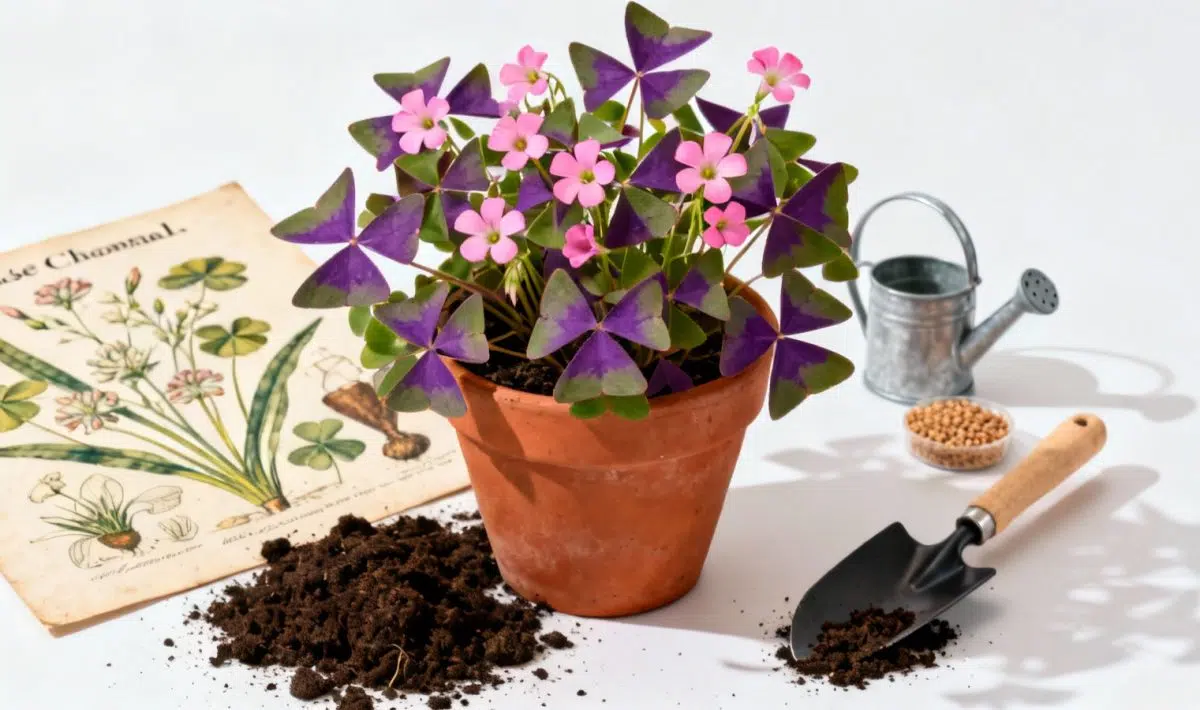
If you’re looking for a plant that’s both stunning and fascinating, the False shamrock is exactly what you need in your garden or home. This gorgeous Oxalis triangularis brings drama with its deep purple triangular leaves that actually fold up at night, creating an almost magical display that never gets old. Originally from South America, this bulbous beauty has captured hearts worldwide with its unique behavior and striking appearance.
What makes this plant truly special is its nyctinastic movement – those purple leaves open during the day and close at night, almost like the plant is going to sleep. It’s a natural response to light changes that makes every day with your Oxalis feel like you’re witnessing something extraordinary. The plant typically grows 15-30 cm tall and spreads about 20-30 cm wide, making it perfect for both indoor pots and outdoor garden spaces.
Understanding the characteristics of your purple shamrock
The False shamrock stands out with its triangular leaves that range from deep purple to burgundy, sometimes with green undertones. These delicate leaves are attached to slender stems that emerge from small bulbs underground. During spring and summer, you’ll be treated to small white or pink flowers that add an extra touch of charm to the already beautiful foliage.
One thing that surprises many new owners is the plant’s natural dormancy period. Don’t panic if your Oxalis suddenly starts looking tired in winter – this is completely normal! The plant enters a 2-3 month rest period where the foliage dies back, allowing the bulbs to store energy for the next growing season. It’s similar to how tips for caring for persimmons also involve understanding natural cycles, though these plants have different seasonal patterns.
Creating the perfect growing conditions
Getting the light right is absolutely crucial for your Oxalis triangularis. This plant thrives in bright, indirect light – think of a spot near an east or west-facing window where it gets plenty of illumination without harsh direct sunlight. Too much direct sun can actually burn those gorgeous purple leaves, while too little light will make them lose their vibrant color and become leggy.
Temperature-wise, your shamrock prefers consistent conditions between 65-75°F (18-24°C). It’s not frost-hardy, so if you live in zones below USDA 8-11, you’ll need to grow it as a houseplant or bring containers indoors during winter. The good news is that it adapts beautifully to indoor conditions when given proper care.
Soil requirements that make all the difference
Your Oxalis needs well-draining soil that won’t leave the bulbs sitting in water. A standard potting mix works perfectly, but you can improve drainage by adding some perlite or coarse sand. The ideal pH range is slightly acidic to neutral, around 6.0-7.0. If you’re planting outdoors, make sure the area doesn’t collect water after rain, as soggy conditions can quickly lead to bulb rot.
For container growing, choose a pot with drainage holes and use a quality potting mix. You can create your own blend by mixing regular potting soil with about 20% perlite for extra drainage. This combination gives the roots room to breathe while still holding enough moisture for healthy growth.
Mastering the watering routine
Watering your False shamrock requires a bit of finesse, but once you get the hang of it, it’s straightforward. During the growing season (spring through fall), water when the top inch of soil feels dry to the touch. This usually means watering every 5-7 days, but always check the soil rather than following a strict schedule.
The key is avoiding both extremes – bone-dry soil and waterlogged conditions. Signs of underwatering include wilting leaves and dry, pulling-away-from-the-pot soil. Overwatering shows up as yellowing leaves, mushy stems, and sometimes a funky smell from the soil. Much like how to care for golden pothos, finding that sweet spot with watering makes all the difference in plant health.
Fertilizing for optimal growth
During active growth periods, feed your Oxalis triangularis with a balanced, diluted fertilizer every 2-3 weeks. A standard houseplant fertilizer at half strength works perfectly – you don’t want to overwhelm these delicate plants with too much nutrition. Organic options like diluted fish emulsion or compost tea are also excellent choices.
Stop fertilizing completely during dormancy periods. The plant isn’t actively growing, so extra nutrients won’t help and might actually cause problems. Resume feeding when you see new growth emerging from the bulbs in spring.
Propagation techniques that actually work
The easiest way to multiply your Oxalis triangularis is through bulb division, and the best time to do this is during dormancy or just as new growth begins. Carefully dig up the bulbs and gently separate the small offset bulbs that have formed around the main bulb. Each little bulb can become a new plant with proper care.
Plant these separated bulbs about 1-2 inches deep in fresh soil, spacing them a few inches apart. Water lightly and keep the soil slightly moist but not wet. You should see new shoots emerging within 2-4 weeks under the right conditions. It’s incredibly rewarding to watch these tiny bulbs develop into full plants!
Growing from seed
While less common, you can also grow Oxalis from seed, though it requires more patience. Fresh seeds have the best germination rates – plant them in seed-starting mix and keep consistently moist in warm conditions (70-75°F). Germination can take anywhere from 1-4 weeks, and the resulting plants will take a full growing season to establish properly.
Seeds can sometimes be collected from spent flowers, but many cultivated varieties are hybrids that may not come true to type. For reliable results, stick with bulb division or purchase seeds from reputable suppliers.
Common challenges and solutions
Most problems with Oxalis triangularis stem from watering issues or improper lighting. If leaves are pale and stretching, move the plant to a brighter location. Drooping, yellowing leaves usually indicate overwatering, while crispy leaf edges suggest underwatering or low humidity.
Pests are generally not a major concern, but you might occasionally encounter aphids or spider mites, especially on indoor plants. Regular inspection and gentle cleaning with a damp cloth can prevent most pest issues. If problems persist, insecticidal soap provides effective, gentle treatment. The care principles are quite different from those needed for growing and caring for catnip, which is much more pest-resistant by nature.
Managing dormancy successfully
Don’t be alarmed when your shamrock decides to take a winter break – this dormancy period is completely natural and healthy. When leaves start yellowing and dying back, gradually reduce watering and stop fertilizing. Store the bulbs in barely moist soil in a cool, dark place (around 50-60°F) for 2-3 months.
Some gardeners prefer to remove bulbs from soil during dormancy and store them in slightly damp peat moss or sawdust. Either method works well – the key is preventing the bulbs from completely drying out while not keeping them too moist. When you’re ready to restart growth, gradually increase water and move to a brighter location.
Special care considerations for different environments
Indoor growing requires attention to humidity levels, especially during winter when heating systems dry out the air. Placing a humidity tray nearby or grouping with other plants can help maintain the 40-50% humidity your Oxalis prefers. Unlike tips for common lantana care, which thrives in dry conditions, the False shamrock appreciates some atmospheric moisture.
For outdoor cultivation in suitable climates, choose a spot with morning sun and afternoon shade. Plant bulbs in fall for spring emergence, or start them indoors and transplant after the last frost. In borderline hardy zones, heavy mulching can sometimes provide enough protection for outdoor overwintering.
Container growing offers the most flexibility, allowing you to move plants to optimal locations as seasons change. Use pots that are proportional to the plant size – too large a container can hold excess moisture and cause bulb rot. Similar to care and propagation of ti plants, proper container selection significantly impacts plant health and growth success.
Enjoying your thriving False shamrock
With proper care, your Oxalis triangularis will reward you with months of stunning foliage and charming flowers. The daily rhythm of opening and closing leaves never gets old, and the rich purple color adds drama to any plant collection. Whether you’re growing it as a houseplant or incorporating it into outdoor garden design, this remarkable plant brings both beauty and wonder to your growing space.
Remember that gardening success comes from observation and adaptation. Every growing environment is slightly different, so pay attention to how your plant responds and adjust your care routine accordingly. With time, you’ll develop an intuitive understanding of what your False shamrock needs to thrive and multiply, creating an ever-expanding collection of these captivating plants.

Allan is a lifelong gardening enthusiast who still gets excited when the first seedlings pop up in spring. With a deep love for nature and a hands-in-the-soil approach, he shares practical tips, plant discoveries, and clever tricks picked up over years of digging, planting, and observing. Whether you’re a new gardener or have a shed full of tools, Allan writes like a neighbor who’s always happy to swap cuttings and stories over the fence.
You can find more about Allan’s work on Malt or connect with him on LinkedIn.


