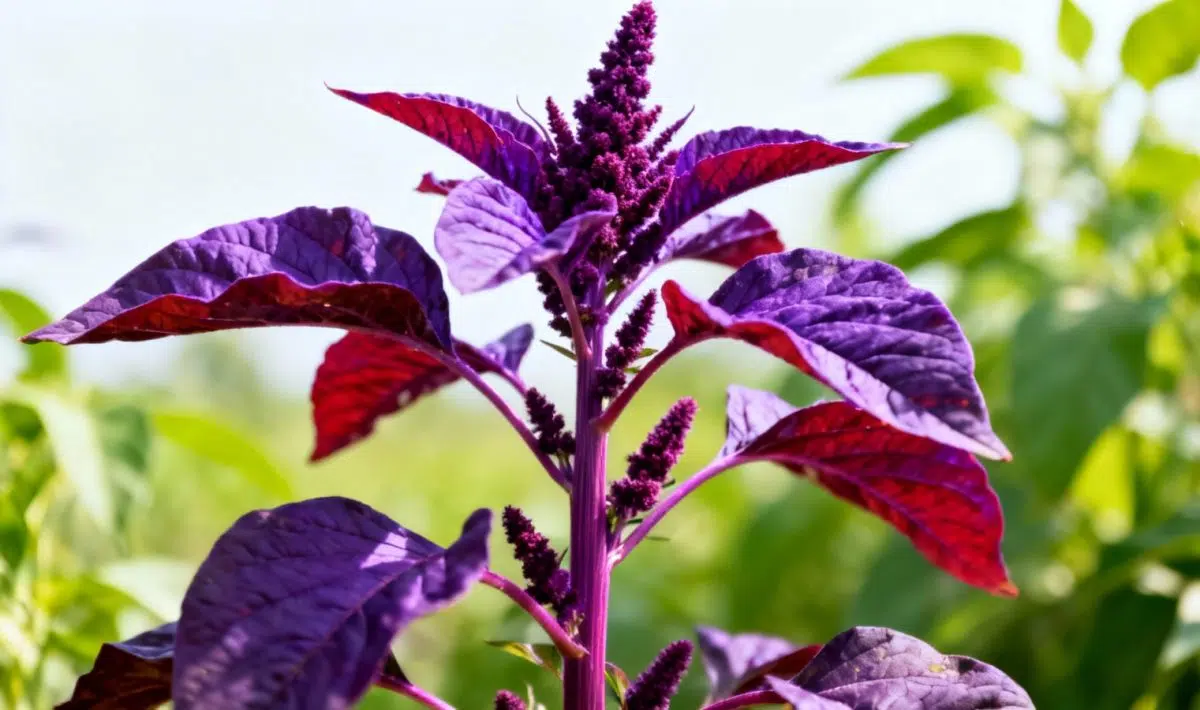
Purple amaranth – Amaranthus blitum: characteristics, care and cultivation tips
Purple amaranth, scientifically known as Amaranthus blitum, is a fascinating annual plant that deserves a spot in every garden. This vibrant amaranth species offers both ornamental beauty and nutritional value, making it a perfect choice for gardeners who appreciate plants with multiple benefits. With its distinctive reddish stems and nutritious leaves, this amaranth variety has been cultivated for centuries across different cultures.
The Amaranthus blitum displays a unique prostrate to ascending growth habit that sets it apart from other amaranth varieties. This remarkable plant develops smooth, reddish-bordeaux colored stems that create an attractive carpet-like appearance when grown in groups. The distinctive tiges grow in a spreading pattern, making this amarante an excellent ground cover option.
The feuilles of this plante are particularly noteworthy, featuring a characteristic notch at their tips that helps with identification. These leaves transition through various couleurs throughout the growing season, starting as bright green and often developing purple or red tinges as the plant matures. The floraison produces small white flowers arranged in axillary panicles or spikes, containing both male and female flowers on the same plant.
This amaranth typically reaches a modest hauteur, making it suitable for container gardening and small spaces. The graines produced are tiny but highly nutritious, while the entire plant offers comestibles parts that can be harvested throughout the growing season.
Optimal growing conditions and care requirements
Purple amaranth thrives in plein soleil conditions, requiring at least six hours of direct sunlight daily for optimal growth. However, in extremely hot climates, some protection from the most intense midday rays can prevent stress. This adaptable plante tolerates various soil types but performs best in well-draining, loamy soil enriched with organic matter.
Water management is crucial for healthy amaranth development. While this drought-tolerant plant can survive with minimal eau once established, consistent moisture promotes better leaf and grain production. Deep, infrequent watering encourages strong root development and helps the plant withstand periods of sécheresse.
Just as other ornamental plants benefit from proper care practices, such as the care and characteristics of Oleander, purple amaranth responds well to regular feeding. A balanced, organic fertilizer applied monthly during the growing season supports vigorous growth and abundant harvest.
Soil preparation and planting techniques
Successful culture of Amaranthus blitum begins with proper soil preparation. This adaptable plant grows well in most garden soils but truly excels in fertile, well-draining conditions. Before planting, work compost or well-rotted manure into the soil to improve structure and nutrient content.
The ideal soil pH ranges from slightly acidic to neutral, between 6.0 and 7.0. Like many flowering plants that require specific care, including Philodendron ‘Birkin’ care tips, amaranth benefits from soil testing to ensure optimal growing conditions.
Direct semis works best for this amarante, as it doesn’t transplant well due to its delicate root system. Sow semences directly in the garden after the last frost date when soil temperatures consistently reach 60°F (15°C). Plant seeds ¼ inch deep and space them 6-12 inches apart, depending on your harvesting intentions.
Propagation methods and seed management
Purple amaranth propagates exclusively through graines, making seed collection and storage important aspects of cultivation. This annuelle plant produces abundant seeds that can be collected for next year’s planting or consumed as a nutritious grain.
For seed production, allow some plantes to complete their full cycle until the flower heads dry completely. The mature grains can be harvested by cutting the seed heads and allowing them to dry further in a warm, well-ventilated area. Proper storage in cool, dry conditions maintains seed viability for several years.
Unlike some specialized plants that require complex propagation methods, similar to care tips for Monstera obliqua, amaranth propagation remains straightforward and accessible to gardeners of all experience levels.
Ornamental and culinary applications
In jardin settings, purple amaranth serves multiple purposes beyond its practical benefits. The colorful feuillage and interesting growth habit make it an attractive addition to ornamental gardens, particularly in wildflower meadows or naturalized areas. The rouge and purple couleurs of the stems and leaves provide excellent contrast when planted alongside other variétés of flowering plants.
The culinary potential of this amarante extends well beyond simple leaf harvesting. Young feuilles can be harvested continuously throughout the growing season and used fresh in salads or cooked like spinach. The grains, when properly processed, offer a gluten-free alternative rich in protein and essential minerals.
Many gardeners appreciate plants that serve both ornamental and practical purposes, much like Southern magnolia care and propagation demonstrates with its beautiful flowers and landscape value. Purple amaranth delivers this dual benefit in a compact, easy-to-grow package.
Common challenges and practical solutions
While purple amaranth is generally hardy and trouble-free, certain issues may arise during cultivation. Aphids occasionally target young growth, but these pests can be controlled through natural predators or gentle insecticidal soap applications. Regular inspection helps catch problems early when they’re easier to manage.
Powdery mildew may appear during humid conditions, particularly when air circulation is poor. Proper spacing between plantes and avoiding overhead watering help prevent this fungal issue. If mildew appears, organic fungicides can provide effective control.
Excessive nitrogen fertilization can promote lush feuillage growth at the expense of seed production. Balance is key – provide adequate nutrition without overfeeding. Just as other garden plants require thoughtful care, including characteristics of Hardy Fuchsia, amaranth thrives with consistent but moderate care practices.
Harvesting and seasonal management
Purple amaranth offers multiple harvest opportunities throughout its growing season. Young feuilles can be picked continuously from plants that have reached 6-8 inches in hauteur, encouraging continued growth and production. For grain harvest, wait until the flower heads have fully matured and begun to dry naturally.
This amaranth variety typically accumulates around 900 growing degree days to reach full maturity, making it suitable for most temperate growing regions. The plant’s non-tolerance to frost means it should be treated as a warm-season annual, with harvesting completed before the first killing frost.
End-of-season management involves collecting mature graines for next year’s planting and composting plant debris. The nutrient-rich plant material makes excellent compost additions, completing the sustainable gardening cycle that makes purple amaranth such a valuable addition to any garden space.
Allan is a lifelong gardening enthusiast who still gets excited when the first seedlings pop up in spring. With a deep love for nature and a hands-in-the-soil approach, he shares practical tips, plant discoveries, and clever tricks picked up over years of digging, planting, and observing. Whether you’re a new gardener or have a shed full of tools, Allan writes like a neighbor who’s always happy to swap cuttings and stories over the fence.
You can find more about Allan’s work on Malt or connect with him on LinkedIn.