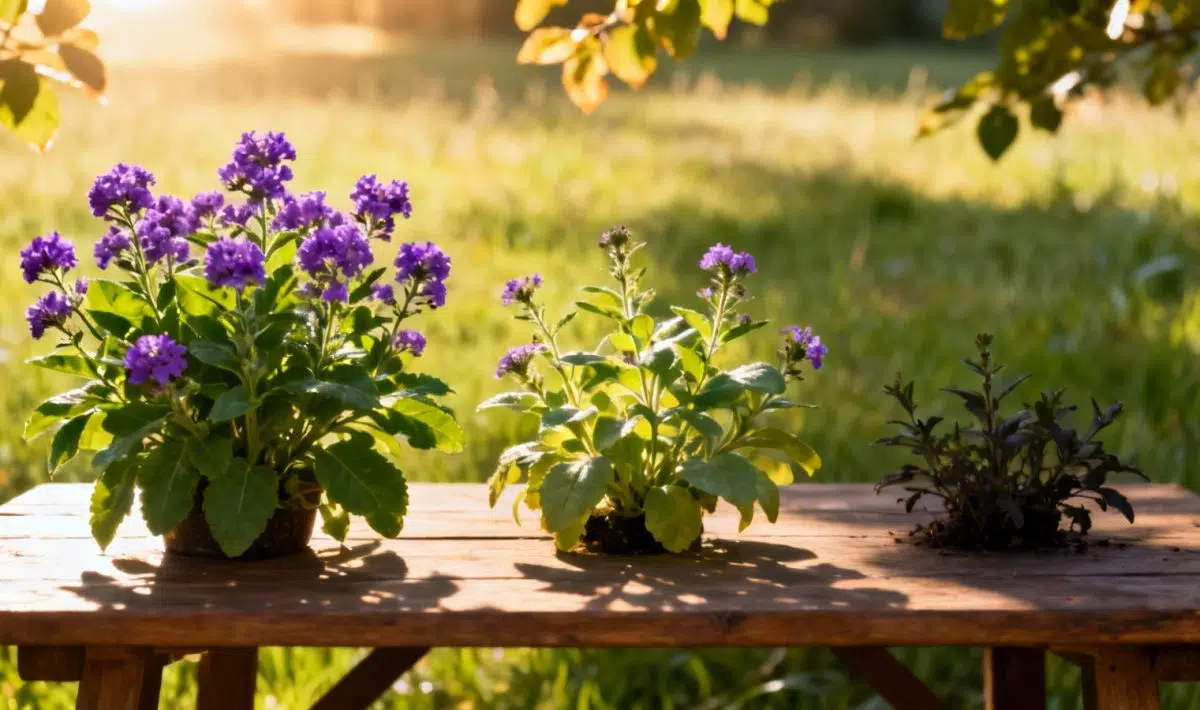
How much sunlight does Purpletop vervain need for optimal growth and blooms
Understanding how much sunlight does Purpletop vervain need is essential for anyone looking to cultivate this stunning perennial successfully. Verbena bonariensis, commonly known as Purpletop vervain, is a remarkable plant that brings vertical interest and delicate purple blooms to any garden setting. With proper sun exposure, this tall, airy perennial can transform your outdoor space into a butterfly magnet while requiring minimal maintenance once established.
Essential sunlight requirements for Purpletop vervain
Purpletop vervain thrives in full sun conditions, requiring a minimum of 6 to 8 hours of direct sunlight daily for optimal performance. This generous amount of light exposure ensures robust growth, abundant flowering, and the characteristic tall, sturdy stems that make this plant so distinctive. Without adequate sunlight, the plant becomes leggy and produces fewer of its signature purple flower clusters.
The plant shows remarkable tolerance to intense heat and drought conditions once fully established, making it an excellent choice for sunny borders and exposed garden areas. Much like understanding sunlight requirements for cucumbers, knowing these specific needs helps gardeners position their plants for maximum success and visual impact.
While Purpletop vervain can tolerate partial shade, the results are noticeably inferior compared to full sun placement. In shadier conditions, expect reduced flower production, weaker stem structure, and overall diminished plant vigor that affects its ornamental value.
Evaluating your garden’s light conditions
Before purchasing seeds or plants, spend time observing different areas of your garden throughout the day. The ideal location receives morning sun, continues with midday exposure, and maintains bright conditions into the afternoon. Areas that receive dappled shade or are blocked by structures during peak sun hours may not provide sufficient light for optimal growth.
Consider the seasonal changes in sun patterns as well. Trees that are bare in spring may create significant shade once fully leafed out in summer, potentially affecting your vervain’s performance during its peak growing season.
Soil and growing conditions for successful cultivation
Beyond sunlight, Purpletop vervain adapts to various soil types but performs best in well-draining conditions with a pH between 6.0 and 7.5. The plant tolerates both clay and sandy soils, making it versatile for different garden situations. Good drainage proves more critical than soil richness, as waterlogged conditions can lead to root problems.
Once established, this hardy perennial demonstrates excellent drought tolerance, reducing maintenance requirements significantly. Similar to how light needs for sycamore trees vary based on growing conditions, vervain’s water needs decrease substantially after the first growing season.
The plant naturally self-seeds in favorable conditions, creating naturalized colonies that return year after year. This characteristic makes it particularly valuable for cottage gardens and wildlife-friendly landscapes where a more relaxed, informal appearance is desired.
Selecting quality seeds for your garden
When shopping for Purpletop vervain seeds, choose reputable sellers who provide detailed descriptions and growing instructions. Good quality seeds should arrive well-packaged with clear planting guidelines and expected germination rates. Reading buyer evaluations helps verify the seller’s reliability and seed quality before making your purchase.
Look for sellers who offer detailed information about seed freshness, storage conditions, and botanical accuracy. Quality suppliers often provide additional growing tips and support, enhancing your chances of successful cultivation. The investment in premium seeds typically pays off with better germination rates and healthier plants.
Planting and establishment techniques
Start Purpletop vervain seeds indoors 6-8 weeks before your last expected frost date, or direct sow in late spring when soil temperatures consistently reach 65°F. The tiny seeds require light for germination, so barely cover them with fine soil or vermiculite. Maintain consistent moisture during the germination period, which typically takes 2-3 weeks.
Transplant seedlings outdoors after hardening them off gradually over a week. Space plants 18-24 inches apart to accommodate their mature spread and allow for good air circulation. Understanding proper spacing principles, much like knowing optimal light for shrubby cinquefoil, ensures each plant receives adequate resources for healthy development.
Young plants benefit from regular watering during their first season, but avoid overwatering which can lead to weak, floppy growth. Once established, the plants become remarkably self-sufficient and drought-tolerant.
Maximizing flowering and plant health
To encourage continuous blooming throughout the growing season, deadhead spent flowers regularly, though many gardeners prefer to leave some flowers to develop seeds for natural reseeding. The plant responds well to a light application of balanced fertilizer in early spring, but avoid over-fertilizing which can result in excessive foliage at the expense of flowers.
Consider companion plantings that complement vervain’s upright habit and delicate texture. Lower-growing perennials and annuals work well planted beneath and around the base, creating layered garden compositions. Just as sunlight for vibrant bottlebrush blooms affects flowering performance, proper companion selection enhances the overall garden display.
Long-term care and garden integration
Established Purpletop vervain requires minimal maintenance beyond occasional watering during extended dry periods. The plants typically reach 3-6 feet in height with a 2-3 foot spread, creating an excellent backdrop for shorter perennials or serving as a naturalistic screen.
In colder climates, cut plants back to 6 inches after the first hard frost, or leave them standing through winter for added garden interest and bird seed. The plant’s hardy nature and ability to self-seed make it an excellent choice for low-maintenance garden areas.
Consider the plant’s mature size when planning garden layouts, ensuring adequate space for both horizontal spread and vertical growth. Much like understanding ideal sunlight for elephant ear plants, proper spacing prevents overcrowding and maintains healthy plant development.
Troubleshooting common growing challenges
If your Purpletop vervain appears leggy or produces few flowers, insufficient sunlight is often the culprit. Consider relocating the plant to a sunnier location or removing obstacles that create shade during peak daylight hours.
Pest problems are rare with this hardy plant, though aphids occasionally appear on new growth. A strong spray of water usually resolves minor infestations without requiring chemical interventions.
Poor drainage can cause root rot and plant decline. Amend heavy soils with compost or consider raised beds in areas with persistent moisture problems. The key to success lies in replicating the plant’s native growing conditions of full sun and well-draining soil.
Allan is a lifelong gardening enthusiast who still gets excited when the first seedlings pop up in spring. With a deep love for nature and a hands-in-the-soil approach, he shares practical tips, plant discoveries, and clever tricks picked up over years of digging, planting, and observing. Whether you’re a new gardener or have a shed full of tools, Allan writes like a neighbor who’s always happy to swap cuttings and stories over the fence.
You can find more about Allan’s work on Malt or connect with him on LinkedIn.