
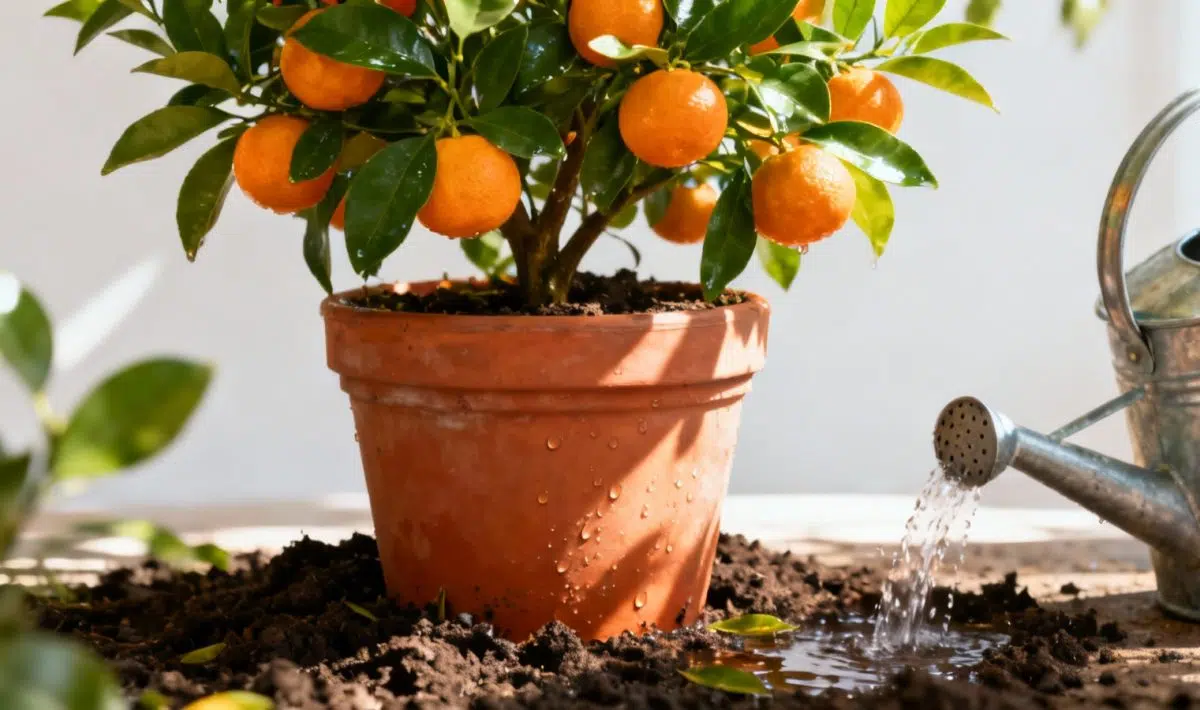
Understanding your mandarin orange water needs
Proper watering for your mandarin orange tree is absolutely essential for healthy growth and fruit production. These citrus plants are remarkably sensitive to water fluctuations, and getting the balance right will make all the difference in your tree’s health. When you understand how often should you water your mandarin orange, you’ll notice improved growth, better fruit quality, and overall plant vitality that will reward your efforts throughout the growing season.
The key lies in maintaining consistent soil moisture without creating waterlogged conditions. Your mandarin orange tree needs regular hydration, but the frequency depends on several factors including pot size, soil type, and environmental conditions. However, the general rule is to water when the top inch of soil feels dry to the touch, which typically occurs every 2-3 days during growing season.
Factors that influence watering frequency for mandarin trees
Several environmental factors will determine how often you should water your tree. Temperature plays a crucial role – during hot summer months, your mandarin may need daily watering, while cooler periods might only require watering every 4-5 days. Humidity levels also affect water needs, with drier air increasing evaporation rates and requiring more frequent irrigation.
Pot size and drainage significantly impact watering schedules. Smaller containers dry out faster than larger ones, but they also prevent overwatering more effectively. Just like you might follow a watering schedule for African-lilies, mandarin oranges benefit from consistent monitoring rather than rigid schedules.
Soil composition affects water retention dramatically. Sandy soils drain quickly and may require three times more frequent watering than clay-based potting mixes. You’ll need to adjust your approach based on what type of growing medium you use for your mandarin orange tree.
Seasonal watering adjustments for optimal growth
Spring brings active growth and flowering, making it a critical time for proper hydration. During this mesure period, your mandarin orange will need consistent moisture to support new leaf development and flower formation. Avoid letting the soil dry completely, as this can cause flower drop and reduce fruit set.
Summer watering requires the most attention, as heat and increased daylight hours accelerate water loss. You might need to water daily during peak summer months, especially if your tree is in a sunny location. Similar to caring for greater periwinkle plants, consistency becomes crucial during these demanding months.
Fall and winter bring reduced water needs as growth slows and temperatures drop. You can reduce watering frequency to once or twice weekly, but never let the soil become bone dry. The tree still needs moisture to maintain its health through dormancy.
Recognizing proper hydration levels
Learning to read your mandarin orange’s water needs prevents both drought stress and root rot. The finger test remains the most reliable method – stick your finger about an inch into the soil near the base of the tree. If it feels dry, it’s time to water thoroughly until water drains from the bottom holes.
Leaf appearance also provides valuable clues about hydration status. Slightly wilted or curling leaves often indicate thirst, while yellowing leaves might signal overwatering. However, remember that some leaf drop is normal, especially when environmental conditions change.
Watering techniques that promote healthy root development
Deep, thorough watering encourages strong root development better than frequent shallow irrigation. When you water, make sure to saturate the entire root zone slowly, allowing water to penetrate all soil layers. This approach mirrors successful techniques used for watering tips for European beeches and other container plants.
Morning watering offers several advantages over evening irrigation. It gives your mandarin orange time to absorb water before the day’s heat increases, and it reduces the risk of fungal diseases that thrive in moist, cool conditions. Early morning watering also ensures maximum utilisation of water before evaporation peaks.
Water temperature matters more than many gardeners realize. Room temperature water prevents shock to the root system, while cold water can slow nutrient uptake. If you’re using stored water, let it reach ambient temperature before applying it to your tree.
Tools and methods for effective watering
A watering can with a narrow spout allows precise application without disturbing the soil surface or splashing leaves. Drip irrigation systems work excellently for consistent moisture delivery, especially if you travel frequently or hâve multiple citrus trees to maintain.
Avoid overhead watering that wets the foliage unnecessarily. Wet leaves are more susceptible to bacterial and fungal infections, particularly in humid conditions. Focus water application at soil level, directing it toward the root zone for maximum efficiency.
Common watering mistakes to avoid
Overwatering kills more mandarin orange trees than underwatering. When roots sit in waterlogged soil, they can’t access oxygen and begin to rot. Signs include yellowing leaves, soft stems, and a sour smell from the soil. If you suspect overwatering, reduce frequency immediately and ensure proper drainage.
Inconsistent watering creates stress that affects fruit quality and tree health. Your mandarin orange thrives with regular moisture rather than cycles of drought followed by flooding. Much like maintaining water requirements for calla lilies, establishing a routine helps you monitor soil conditions effectively.
Using softened water can harm your tree over time due to high sodium content. If your tap water is heavily chlorinated, let it sit overnight before use, or collect rainwater when possible. These simple steps improve water quality and plant health significantly.
Salt buildup from fertilizers or hard water appears as white crusty deposits on soil surface or pot rims. Flush the soil monthly with plain water to prevent salt accumulation from damaging roots. This practice keeps your mandarin orange healthy and prevents nutrient lockout.
Poor drainage causes more problems than insufficient watering. Ensure your pot has adequate drainage holes and use well-draining potting mix designed for citrus plants. If water sits on the surface after watering, you need to improve soil structure or container drainage immediately.
Advanced watering strategies for maximum fruit production
During fruit development, maintaining consistent moisture becomes even more critical for quality mandarin oranges. Stress during this period can cause fruit drop or poor flavor development. Monitor soil moisture daily and adjust watering frequency to prevent any dry spells that might affect your harvest.
Mulching around your mandarin orange helps retain moisture and reduces watering frequency. Organic mulches like shredded bark or compost provide additional benefits as they decompose, but keep mulch away from the trunk to prevent pest problems. This technique works as effectively as proper optimal watering for dog roses in maintaining consistent root zone moisture.
Consider installing a moisture meter for precise monitoring, especially if you’re new to citrus care. These tools take the guesswork out of watering decisions and help you develop better timing instincts over time. With practice, you’ll learn to read your tree’s needs without relying on tools.
Remember that proper watering for your mandarin orange tree requires attention to detail and consistency. By following these guidelines and adjusting for your specific conditions, you’ll enjoy healthy growth, abundant flowering, and delicious fruit that makes all your careful attention worthwhile.

Allan is a lifelong gardening enthusiast who still gets excited when the first seedlings pop up in spring. With a deep love for nature and a hands-in-the-soil approach, he shares practical tips, plant discoveries, and clever tricks picked up over years of digging, planting, and observing. Whether you’re a new gardener or have a shed full of tools, Allan writes like a neighbor who’s always happy to swap cuttings and stories over the fence.
You can find more about Allan’s work on Malt or connect with him on LinkedIn.


