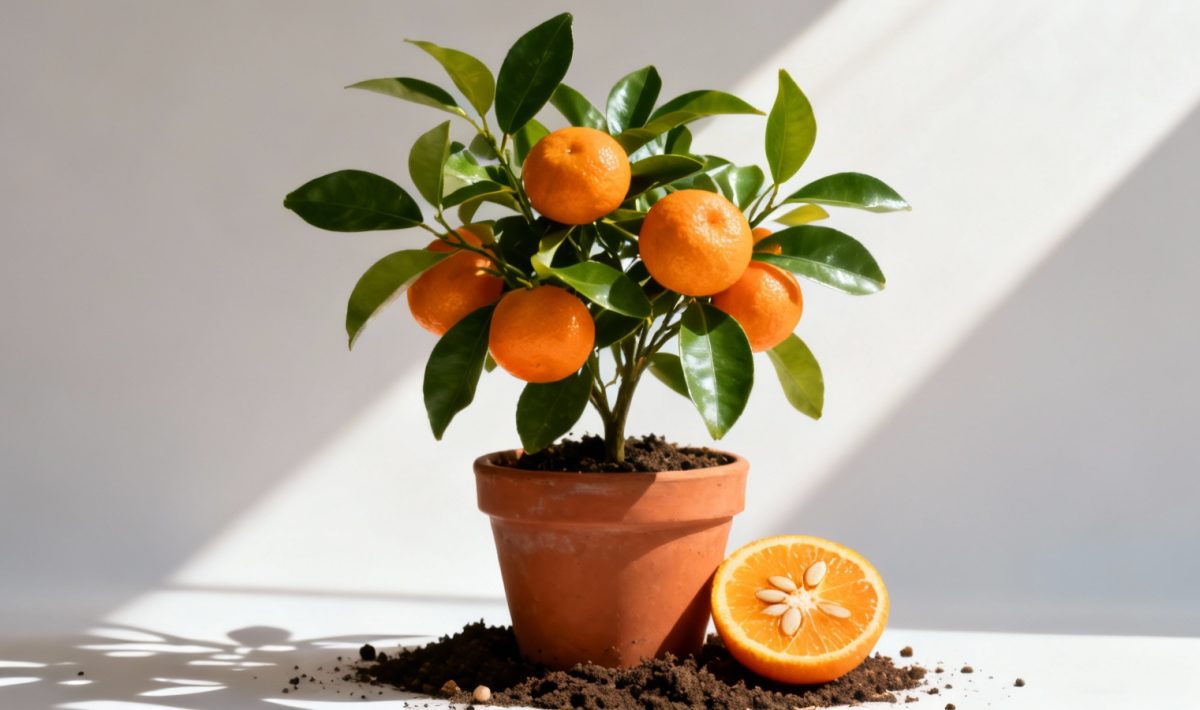
How much sunlight does mandarin orange need for growing and seeds
Growing mandarin oranges at home is easier than you might think, but understanding their sunlight needs is crucial for success. How much sunlight does mandarin orange need? These citrus trees require at least 6-8 hours of direct sunlight daily to thrive and produce those sweet, juicy fruits we all love.
Mandarin orange trees (Citrus reticulata) are sun-loving plants that absolutely thrive with plenty of bright light. This type of citrus tree has evolved in warm, sunny climates, making adequate sunlight essential for healthy growth. Without proper light exposure, your tree may struggle to flower and fruit properly.
The best light conditions for mandarin trees include morning sun exposure and protection from harsh afternoon rays during extreme heat. Much like how understanding sunlight requirements for successful pineapple cultivation helps tropical gardeners, knowing your mandarin’s needs ensures better results.
Direct sunlight stimulates the production of essential oils in the fruit peel and enhances the tree’s natural flavor development. Plants that receive insufficient light often produce pale, less flavorful fruits with reduced vitamin content.
Optimal sunlight conditions for mandarin cultivation
Indoor vs outdoor growing considerations
For indoor cultivation, place your mandarin plant near a south-facing window that receives maximum daily light. Many growers find that supplemental grow lights help during winter months when natural daylight hours decrease. Indoor plants need consistent light exposure year-round to maintain healthy growth.
Outdoor mandarin trees perform best in full sun locations with good air circulation. They can tolerate some afternoon shade in extremely hot climates, but morning sun exposure remains critical. Like optimal sunlight for watermelon growth, consistent light patterns produce better harvests.
Seasonal light variations
During spring and summer months, mandarin trees can handle 8-10 hours of direct sunlight with proper watering. Everything changes in winter when shorter days naturally reduce light exposure. This seasonal variation actually helps trigger the tree’s natural dormancy period.
Temperature management becomes crucial during peak summer heat. While these trees love warmth, excessive heat combined with intense sunlight can stress young plants. Providing some afternoon protection during heat waves keeps your tree healthy and productive.
Starting from seeds and young plants
Best practices for seed germination
Fresh mandarin seeds germinate best with warm temperatures and bright, indirect light initially. Place seed trays in a location that receives good light but avoid direct sun until seedlings develop their first true leaves. Young seedlings are very sensitive to harsh light conditions.
Organic growing methods work particularly well for citrus seeds. Use high-quality potting soil that drains well, as waterlogged conditions combined with insufficient light often lead to seedling failure. Much like sunlight needs for growing spearmint, young plants need gentle introduction to full sun.
The germination process typically takes 2-4 weeks with proper care. Keep soil consistently moist but not soggy, and provide temperatures around 70-75°F for best results. Thank your patience during this phase – good seeds really do make a difference in long-term success.
Transplanting and acclimating young trees
Once your seedlings reach 4-6 inches tall, they’re ready for gradual sun exposure. Start with 2-3 hours of morning sunlight and gradually increase over several weeks. This process helps prevent leaf burn and shock that can damage young plants.
Container-grown trees offer flexibility for light management. You can easily move them to optimal positions throughout the day or season. Large pots work best as they provide stability and root space for healthy development.
Troubleshooting common light-related problems
Signs of insufficient sunlight
Mandarin trees suffering from inadequate light show several telltale signs. Leggy growth with long spaces between leaves indicates the plant is stretching toward available light sources. Pale or yellowish foliage often develops when trees don’t receive enough bright light.
Flowering and fruit production dramatically decrease with poor light conditions. Trees may produce flowers that drop prematurely or fruits that never fully ripen. Understanding these symptoms helps you adjust growing conditions before permanent damage occurs.
Managing excessive sun exposure
While mandarin trees love sunlight, excessive exposure can cause problems too. Leaf scorch appears as brown, crispy edges on foliage during extremely hot weather. This is particularly common with ideal sunlight for Giant taro plants and other heat-sensitive species.
Young trees and recently transplanted specimens need protection from intense afternoon sun until they establish strong root systems. Use shade cloth or temporary screening during the hottest parts of summer days.
Maximizing your mandarin growing success
Creating optimal growing conditions
Good drainage combined with adequate sunlight creates the foundation for healthy mandarin cultivation. These trees hate wet feet but need consistent moisture during fruit development. Balance is everything when it comes to successful citrus growing.
Regular fertilization supports the energy demands of fruit production in full-sun conditions. Use citrus-specific fertilizers that provide balanced nutrition throughout the growing season. Healthy trees with proper nutrition handle light stress much better than struggling plants.
Established mandarin trees require consistent care to maintain optimal health and production. Pruning helps manage tree size and ensures good light penetration throughout the canopy. Remove dead or crossing branches to improve air circulation and light distribution.
Monitor your tree’s response to seasonal light changes and adjust care accordingly. During winter months with reduced daylight, trees naturally slow their growth and may require less frequent watering. This natural cycle is completely normal and healthy.
With proper sunlight management and consistent care, your mandarin orange tree will reward you with years of delicious, homegrown fruit. The investment in quality seeds or plants, combined with understanding their light needs, creates the foundation for a thriving citrus garden that brings joy and fresh fruit to your table.
Allan is a lifelong gardening enthusiast who still gets excited when the first seedlings pop up in spring. With a deep love for nature and a hands-in-the-soil approach, he shares practical tips, plant discoveries, and clever tricks picked up over years of digging, planting, and observing. Whether you’re a new gardener or have a shed full of tools, Allan writes like a neighbor who’s always happy to swap cuttings and stories over the fence.
You can find more about Allan’s work on Malt or connect with him on LinkedIn.