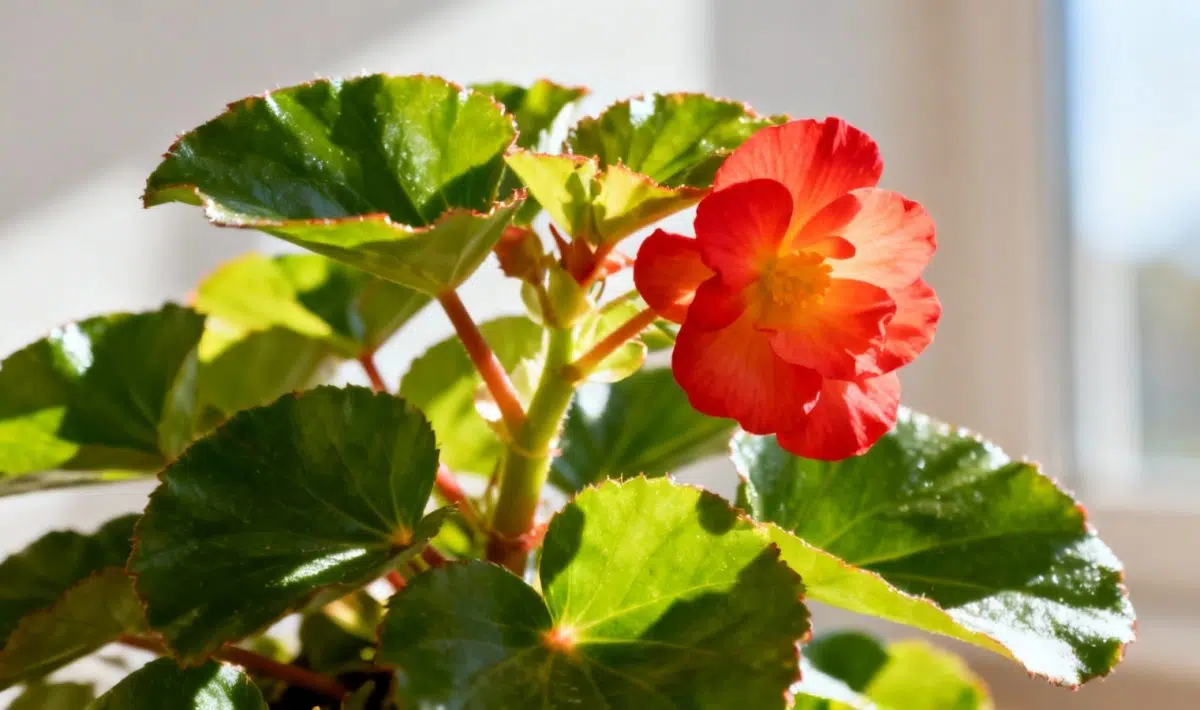
Wax begonias are remarkably adaptable plants that can thrive in various light conditions, making them a favorite among both novice and experienced gardeners. These charming flowering plants typically need 4 to 6 hours of sunlight daily for optimal growth and blooming. However, the exact amount depends on your climate, location, and whether you’re growing them indoors or outdoors.
The beauty of wax begonias lies in their flexibility with lighting conditions. Unlike some plants that demand full sun or complete shade, these versatile beauties can adapt to partial shade while still producing abundant flowers. This adaptability makes them perfect for gardens with varying light conditions throughout the day.
Climate considerations for wax begonia placement
Your local climate plays a crucial role in determining the best sunlight exposure for your wax begonias. In cooler northern regions, these plants can handle and actually benefit from full sun exposure of six or more hours daily. The additional sunlight promotes compact growth and encourages profuse blooming that will keep your garden colorful throughout the growing season.
Conversely, if you live in a warmer southern climate, your wax begonias will appreciate some afternoon shade. The intense heat and direct sunlight in these regions can cause leaf scorch and color fading. For optimal results in hot climates, aim for morning sun with filtered afternoon shade, providing about 3 to 6 hours of total sunlight.
Indoor vs outdoor light management
When growing wax begonias indoors, bright indirect light near an east-facing window works wonderfully. These plants appreciate the gentle morning sunlight while avoiding the harsh afternoon rays that can damage their delicate foliage. During winter months, a few hours of direct sunlight can actually be beneficial for indoor plants.
For outdoor cultivation, consider your garden’s microclimate carefully. Areas with natural shade from trees or buildings during the hottest part of the day create ideal conditions for wax begonias in warmer regions. Similarly to sunlight requirements for strawberry plants, proper light management ensures healthy growth and abundant flowering.
Signs of proper light exposure
Well-lit wax begonias display vibrant green foliage with sturdy stems and continuous blooming. The flowers should maintain their bright colors without fading, and the plant should exhibit compact, bushy growth rather than stretching toward the light source.
If your plants receive too little light, you’ll notice elongated stems, pale green leaves, and reduced flowering. On the other hand, excessive direct sunlight causes brown, crispy leaf edges and wilted appearance even with adequate watering. These visual cues help you adjust placement for optimal growing conditions.
Optimizing light conditions for maximum bloom
To achieve the best possible flowering display from your wax begonias, morning sunlight paired with afternoon protection creates ideal conditions. This combination provides the energy plants need for photosynthesis while preventing heat stress during peak temperatures.
Consider rotating container-grown plants weekly to ensure even light distribution on all sides. This practice promotes balanced growth and prevents the plant from leaning toward the light source. Much like peace lily sunlight needs explained, understanding your plant’s preferences leads to healthier specimens.
Seasonal light adjustments
As seasons change, so do the sun’s intensity and angle. During spring and fall, your wax begonias can typically handle more direct sunlight than during the intense summer months. Adjust their placement accordingly, moving containers to shadier spots during peak summer or providing temporary shade cloth.
Winter care for indoor plants may require moving them closer to windows or supplementing with grow lights. The shorter days and weaker sunlight during winter months can cause indoor wax begonias to become leggy without adequate light supplementation.
Purchasing quality wax begonia plants and seeds
When shopping for wax begonias, look for plants with sturdy stems, vibrant green foliage, and visible flower buds. Quality plants from reputable sellers will adapt more quickly to their new environment and establish strong root systems faster than stressed specimens.
Online seed purchases offer excellent value and variety, allowing you to select specific colors and varieties that suit your garden design. Many gardeners recommend starting with seeds from established suppliers who provide detailed growing instructions and support. Just as gardeners research red maple’s sunlight requirements, taking time to select quality plant material pays dividends in garden success.
Growing from seeds vs transplants
Starting wax begonias from seeds requires patience but offers the satisfaction of growing plants from scratch. Seeds need warm, consistently moist conditions with bright indirect light for germination. The process typically takes 2-3 weeks, and seedlings require gradual acclimation to outdoor conditions.
Purchasing established transplants provides immediate garden impact and eliminates the guesswork of seed starting. These plants can be placed directly into their permanent locations after a brief hardening-off period, making them perfect for gardeners who want quick results.
Common lighting mistakes to avoid
One frequent error gardeners make is assuming all flowering plants need full sun. While wax begonias appreciate good light, too much direct sunlight can actually reduce flowering and stress the plants. Finding the right balance is key to success.
Another mistake involves sudden light changes. Moving plants from shade to full sun or vice versa without gradual acclimation can shock them and halt blooming. Instead, gradually adjust light exposure over a week or two, allowing plants to adapt naturally to their new conditions. This careful approach works for many garden plants, similar to how ideal sunlight for common zinnia requires thoughtful placement.
Monitoring and adjusting placement
Regular observation of your wax begonias helps you fine-tune their light exposure throughout the growing season. Check plants weekly for signs of stress, adjusting their location if necessary. Container plants offer the advantage of easy relocation when conditions change.
Keep a simple garden journal noting which locations produce the best results for your wax begonias. This information becomes invaluable for future plantings and helps you create the perfect environment for these delightful flowering plants year after year.
Allan is a lifelong gardening enthusiast who still gets excited when the first seedlings pop up in spring. With a deep love for nature and a hands-in-the-soil approach, he shares practical tips, plant discoveries, and clever tricks picked up over years of digging, planting, and observing. Whether you’re a new gardener or have a shed full of tools, Allan writes like a neighbor who’s always happy to swap cuttings and stories over the fence.
You can find more about Allan’s work on Malt or connect with him on LinkedIn.