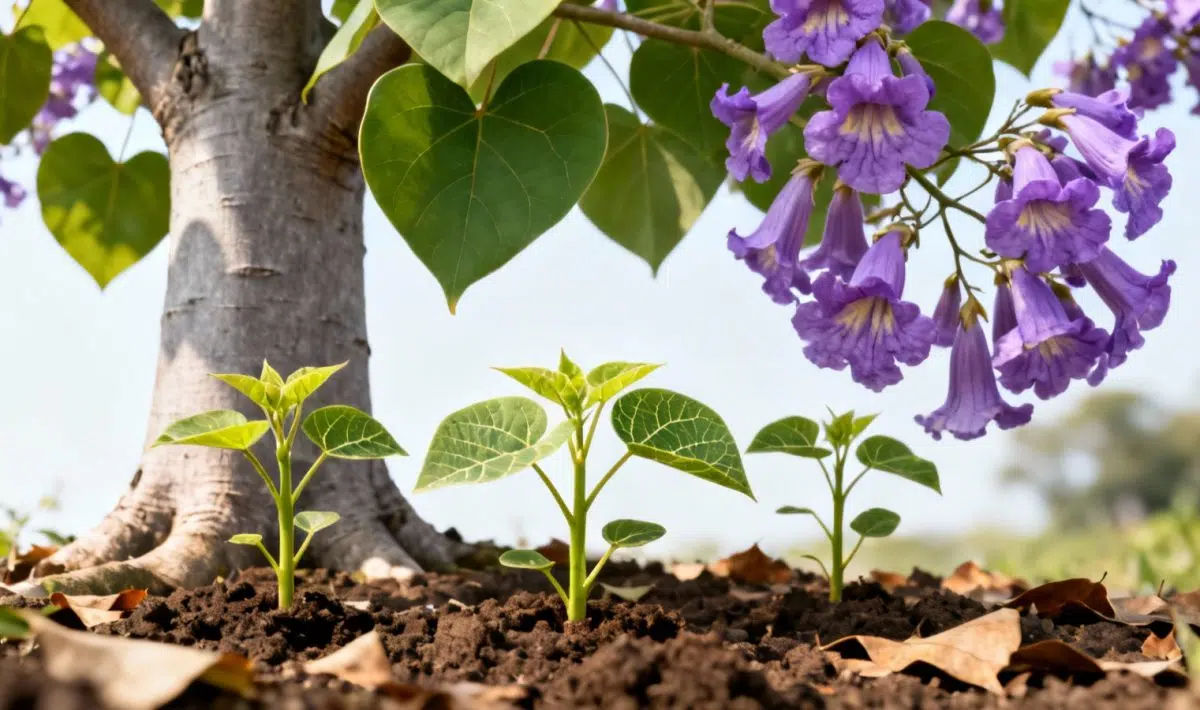
Empress tree paulownia tomentosa care and cultivation characteristics
The empress tree paulownia tomentosa stands out as one of nature’s most remarkable specimens. This fast-growing deciduous tree, originally from China, has captured gardeners’ attention worldwide with its massive heart-shaped leaves and stunning purple blooms. Understanding how to properly care for this magnificent paulownia species opens doors to years of spectacular garden displays.
Paulownia tomentosa distinguishes itself from other tree species through its incredible growth rate and distinctive features. The empress tree can reach heights of 10 to 20 meters with remarkable speed, often growing several feet within a single growing season. Its large, velvety leaves create dense shade and can measure up to 40 centimeters across on young trees.
The tree’s purple flowers appear in spring before the leaves emerge, creating breathtaking floral displays. These tubular blooms attract pollinators and fill the air with sweet fragrance. Similar to how care tips for Madagascar dragon trees require specific attention, paulownia trees need proper understanding of their unique growth patterns.
What sets paulownia apart from other fast-growing species like elongata or kawakamii varieties is its exceptional adaptability. The tomentosa species shows remarkable resistance to various climate conditions while maintaining its vigorous growth habit throughout different soil types.
Optimal soil conditions for healthy growth
Creating the right soil environment determines your paulownia’s success more than any other factor. These trees thrive in well-draining soils with good organic content, though they tolerate a wide range of soil types. The ideal pH ranges between 6.0 and 8.0, allowing proper nutrient uptake for sustained croissance.
Deep, fertile soils produce the most impressive results, supporting the tree’s extensive root system. However, paulownia trees demonstrate surprising tolerance for poor soils once established. They can grow in sandy, clay, or loamy conditions, making them versatile choices for various landscape situations.
Proper drainage remains crucial since waterlogged conditions can damage the root system. Just as growing apricot trees successfully requires attention to soil moisture, paulownia benefits from consistent but not excessive water availability.
Soil preparation techniques
Before planting, prepare the soil by digging a hole twice the width of the root ball. Mix compost or aged manure into the native soil to improve structure and fertility. This preparation encourages rapid root establishment and supports the tree’s impressive growth potential.
Testing soil pH helps determine if amendments are necessary. If your soil tests too acidic, add lime several months before planting. For alkaline soils, incorporate sulfur or organic matter to lower pH gradually.
Planting and early care requirements
Successful paulownia plantation begins with choosing the right location and timing. Plant in full sun locations where the tree receives at least six hours of direct sunlight daily. Spring planting after frost danger passes gives trees the longest growing season to establish strong root systems.
Space trees adequately to accommodate their mature spread of 6 to 10 meters. Young paulownia trees need protection from strong winds, which can damage their large leaves and tender branches. Consider temporary windbreaks during the first growing year.
Water newly planted trees deeply but infrequently, encouraging deep root development. Apply 2-3 inches of mulch around the base, keeping it away from the trunk to prevent moisture-related problems.
Irrigation and fertilization schedules
Established paulownia trees require minimal irrigation in most climates, though consistent moisture during dry periods enhances growth. Deep weekly watering during summer months supports optimal leaf development and overall tree health.
Fertilize young trees in early spring with balanced fertilizer to support vigorous croissance. Mature trees typically require little additional feeding if planted in reasonably fertile soil. Over-fertilization can actually reduce wood quality and increase susceptibility to wind damage.
Propagation methods and techniques
Paulownia trees propagate readily through several methods, making them excellent choices for large-scale planting projects. Seed propagation offers the most economical approach, though trees grown from seed require 3-5 years before flowering begins.
Root cuttings provide another effective propagation method, producing trees identical to the parent plant. Take 15-20 centimeter root sections during dormant periods and plant them in well-prepared nursery beds. This method often produces faster initial growth than seedlings.
Successful cultivation techniques mirror those used for other fast-growing species, though each plant has unique requirements. Just as tips for cucumber cultivation focus on proper spacing and support, paulownia propagation benefits from adequate spacing and protection during establishment.
Managing growth and pruning
Young paulownia trees often benefit from selective pruning to develop strong branch structure. Remove competing leaders and weak branches during dormant periods. However, avoid heavy pruning once trees mature, as this can stimulate excessive sucker growth.
Some gardeners practice coppicing, cutting trees back to ground level every few years to maintain shrub-like growth with enormous leaves. This technique works well for creating dramatic foliage displays in smaller spaces.
Common challenges and solutions
While generally robust, paulownia trees face several potential challenges that proper care can prevent. Cold damage represents the most significant threat, particularly for young trees in northern climates. Protect young plants during harsh winters with burlap wraps or temporary shelters.
Pest problems remain relatively uncommon, though scale insects and aphids occasionally affect stressed trees. Regular monitoring and good cultural practices prevent most pest issues. Strong, healthy trees naturally resist most common problems.
Wind damage can break branches or uproot young trees during storms. Proper staking during establishment and strategic placement away from wind corridors minimize these risks. Understanding how different species adapt to various conditions, similar to information on common sowthistle care, helps gardeners make informed decisions.
Disease prevention strategies
Prevent fungal diseases by ensuring adequate air circulation around trees and avoiding overhead watering. Plant in locations with good drainage and morning sun exposure to reduce leaf moisture duration. Remove fallen leaves promptly to eliminate overwintering disease spores.
Root rot occasionally affects trees in poorly drained soils, emphasizing the importance of proper site selection. Symptoms include yellowing leaves, stunted growth, and branch dieback. Prevention through proper planting practices remains far more effective than treatment.
Benefits and practical applications
Beyond their ornamental value, paulownia trees offer numerous practical benefits for gardeners and landowners. Their rapid growth makes them excellent choices for quick shade establishment or screening applications. The large leaves create dense canopy cover surprisingly quickly.
The lightweight yet durable bois has commercial value for various applications. Some growers plant paulownia specifically for timber production, harvesting trees after 7-10 years of growth. This sustainable approach provides renewable wood resources while supporting reforestation efforts.
Environmental benefits include excellent carbon sequestration due to rapid biomass production. The trees also provide habitat for wildlife and support pollinators with their abundant spring flowers. These ecological advantages make paulownia valuable components of sustainable landscape designs.
Whether planted for ornamental beauty, timber production, or environmental benefits, paulownia tomentosa rewards gardeners with spectacular growth and minimal maintenance requirements. Success comes from understanding the tree’s basic needs and providing appropriate growing conditions from the start.
Allan is a lifelong gardening enthusiast who still gets excited when the first seedlings pop up in spring. With a deep love for nature and a hands-in-the-soil approach, he shares practical tips, plant discoveries, and clever tricks picked up over years of digging, planting, and observing. Whether you’re a new gardener or have a shed full of tools, Allan writes like a neighbor who’s always happy to swap cuttings and stories over the fence.
You can find more about Allan’s work on Malt or connect with him on LinkedIn.