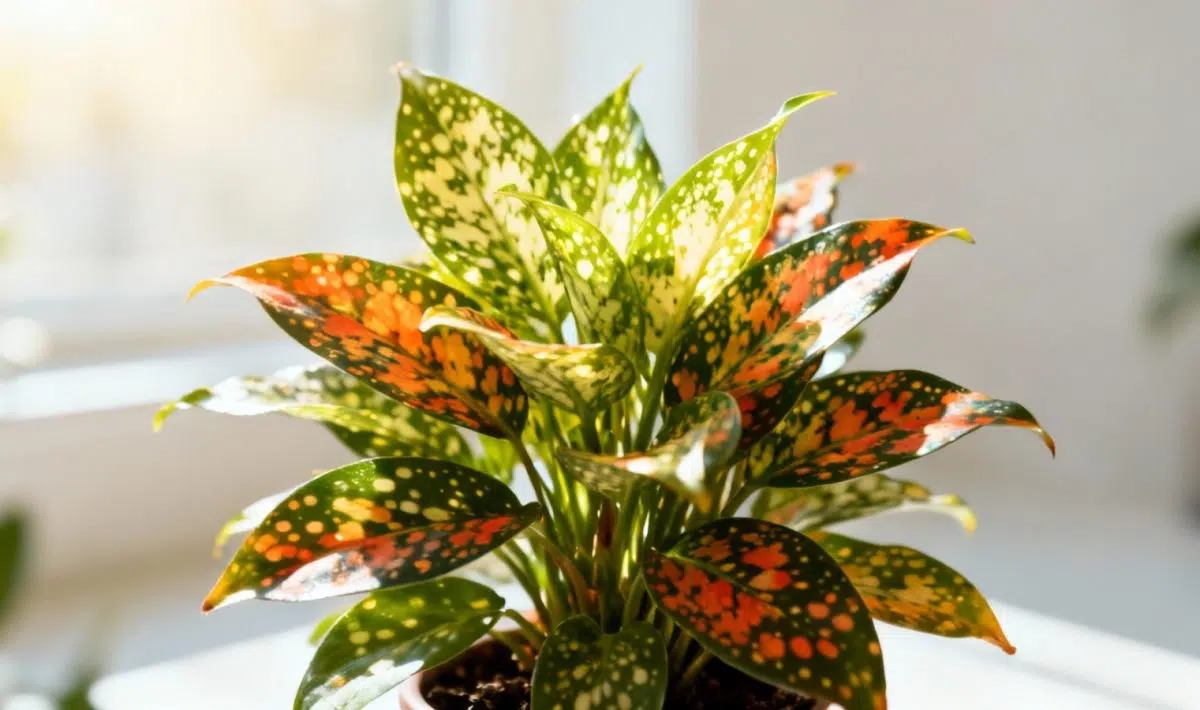
How much sunlight does polka dot plant need for vibrant foliage
The polka dot plant (Hypoestes phyllostachya) is a stunning houseplant that can transform any space with its vibrant spotted foliage. Understanding how much sunlight does polka dot plant need is essential for maintaining those beautiful colors and ensuring healthy growth. This charming plant brings life to your home with its green leaves adorned with pink, white, or red spots that create a natural work of art.
Your polka dot plant thrives with 3 to 6 hours of bright, indirect sunlight daily. This sweet spot provides enough energy for photosynthesis while protecting the delicate foliage from harsh direct rays. The plant originates from Madagascar, where it grows naturally under the canopy of larger plants, which explains why it prefers filtered light conditions.
Morning sunlight works particularly well for this plant. You can place it near an east-facing window where it will receive gentle morning rays that won’t scorch the leaves. The key is finding that perfect balance where your plant gets enough light to maintain its vibrant colors but not so much that it becomes stressed.
When grown indoors, polka dot plants are quite forgiving with lower light conditions, though you may notice the spots becoming less pronounced. For optimal results, aim for a location that receives bright, indirect light throughout the day. This approach ensures your plant stays happy and maintains its decorative appeal.
Best timing and conditions for sun exposure
The timing of light exposure can make a significant difference in your plant’s health. Morning hours from 6 AM to 10 AM provide the most beneficial sunlight, as the rays are gentler and less likely to cause leaf burn. During these hours, the plant can absorb the energy it needs without the stress that comes with intense midday sun.
Seasonal changes also affect how much light your polka dot plant needs. During winter months, when natural light is limited, you might need to move your plant closer to a window or consider supplemental lighting. In summer, you may need to provide more shade as the sun becomes more intense. Just as other plants have varying needs, like understanding sunlight requirements for growing coriander, your polka dot plant benefits from seasonal adjustments.
For outdoor cultivation, partial shade works best. You can achieve this by placing the plant under larger shrubs or trees, or by using shade cloth. The goal is to filter about 50-70% of direct sunlight while still providing enough brightness for healthy growth.
Indoor placement strategies
Finding the right spot indoors requires some observation and experimentation. North-facing windows typically provide consistent, gentle light throughout the day, making them ideal for polka dot plants. East-facing windows offer that beneficial morning sun we mentioned, while west-facing windows can work if you provide some filtering during the intense afternoon hours.
You can also move your plant seasonally to optimize light conditions. During winter, bringing it closer to windows helps compensate for shorter days and weaker sunlight. In summer, stepping it back a bit from the window prevents overexposure. This flexibility is one reason why polka dot plants make such great houseplants.
Creating the perfect light environment
Creating an ideal light mix for your polka dot plant involves understanding both natural and artificial lighting options. If your home doesn’t receive enough natural light, grow lights can supplement what your plant needs. LED grow lights work particularly well because they produce less heat and can be positioned close to the plant without risk of burning.
When using artificial lighting, aim for 12-14 hours of light daily to compensate for the lower intensity compared to natural sunlight. Position the lights about 12-18 inches above the plant and observe how it responds. The leaves should maintain their vibrant colors and the plant should grow compactly rather than stretching toward the light source.
You can also use reflective surfaces to maximize available natural light. Placing a mirror or white surface near your plant can help bounce light back onto the foliage, effectively increasing the amount of light it receives without moving it to a different location. This technique works particularly well in darker corners of your home.
Recognizing improper light exposure signs
Your polka dot plant will clearly communicate when its lighting needs aren’t being met. Too much direct sunlight typically causes leaf scorch, which appears as brown, crispy edges or bleached spots on the foliage. The vibrant colors may also fade or appear washed out when exposed to excessive light.
On the flip side, insufficient light leads to different problems. The plant becomes leggy, stretching toward available light sources, and the distinctive spots may fade or disappear entirely. The green base color often becomes pale or yellowish, and growth slows significantly. You might also notice the plant becoming more susceptible to pests and diseases when stressed from poor lighting.
Similar to how light needs of cabbage trees vary based on their environment, polka dot plants show clear signs when adjustments are needed. Watch for these signals and adjust placement accordingly. A healthy polka dot plant should have firm, colorful leaves with well-defined spots and compact growth.
Quick fixes for light problems
When you notice signs of improper lighting, quick action can prevent permanent damage. For plants receiving too much light, immediately move them away from direct sun or add a sheer curtain to filter the light. You can also relocate them to a spot with more natural shade.
For plants not getting enough light, gradually move them closer to a window over several days to avoid shock. Alternatively, introduce artificial lighting slowly, starting with shorter periods and increasing duration as the plant adjusts. Remember that sudden changes can stress your plant more than gradual adjustments.
Comparing light needs with other plants
Understanding how polka dot plants compare to other common houseplants helps put their needs in perspective. Unlike optimal sunlight for lucky bamboo, which can tolerate very low light conditions, polka dot plants need that bright indirect light to maintain their ornamental value.
They’re also quite different from sun-loving flowers like sunlight needs of orange coneflower, which thrive in full sun conditions. This makes polka dot plants perfect for spaces where you want colorful foliage but don’t have access to intense direct sunlight.
The flexibility of polka dot plants also sets them apart from more demanding species. While plants like perfect blooms with garden tulips require specific seasonal light cycles, your polka dot plant maintains its beauty year-round with consistent care.
Seasonal care and light management
Each season brings unique challenges for maintaining proper light levels. During spring and summer, when natural light is abundant, focus on protecting your plant from too much direct sun while ensuring it receives adequate brightness. This is when you’ll see the most vigorous growth and the most vibrant coloration.
Fall and winter require different strategies. Shorter days and weaker sunlight mean you might need to move your plant closer to windows or supplement with artificial lighting. This is also when you should reduce watering frequency since lower light levels slow the plant’s metabolism and water uptake.
Even outdoor plants like flowering dogwood sunlight requirements change seasonally, and your indoor polka dot plant benefits from similar attention to seasonal light variations. Monitor your plant’s response to changing conditions and adjust accordingly.
Long-term light planning
Planning for your polka dot plant’s long-term success involves thinking ahead about seasonal changes and potential home modifications. If you’re planning to rearrange furniture or add window treatments, consider how these changes might affect your plant’s light exposure.
You might also want to invest in a light meter to take the guesswork out of finding the perfect spot. These inexpensive tools can help you measure exactly how much light different areas of your home receive throughout the day and across seasons.
Remember that healthy polka dot plants can live for several years with proper care, making it worth the effort to establish good lighting practices from the start. With the right amount of bright, indirect sunlight, your plant will reward you with stunning foliage that brings joy and natural beauty to your living space.
Allan is a lifelong gardening enthusiast who still gets excited when the first seedlings pop up in spring. With a deep love for nature and a hands-in-the-soil approach, he shares practical tips, plant discoveries, and clever tricks picked up over years of digging, planting, and observing. Whether you’re a new gardener or have a shed full of tools, Allan writes like a neighbor who’s always happy to swap cuttings and stories over the fence.
You can find more about Allan’s work on Malt or connect with him on LinkedIn.