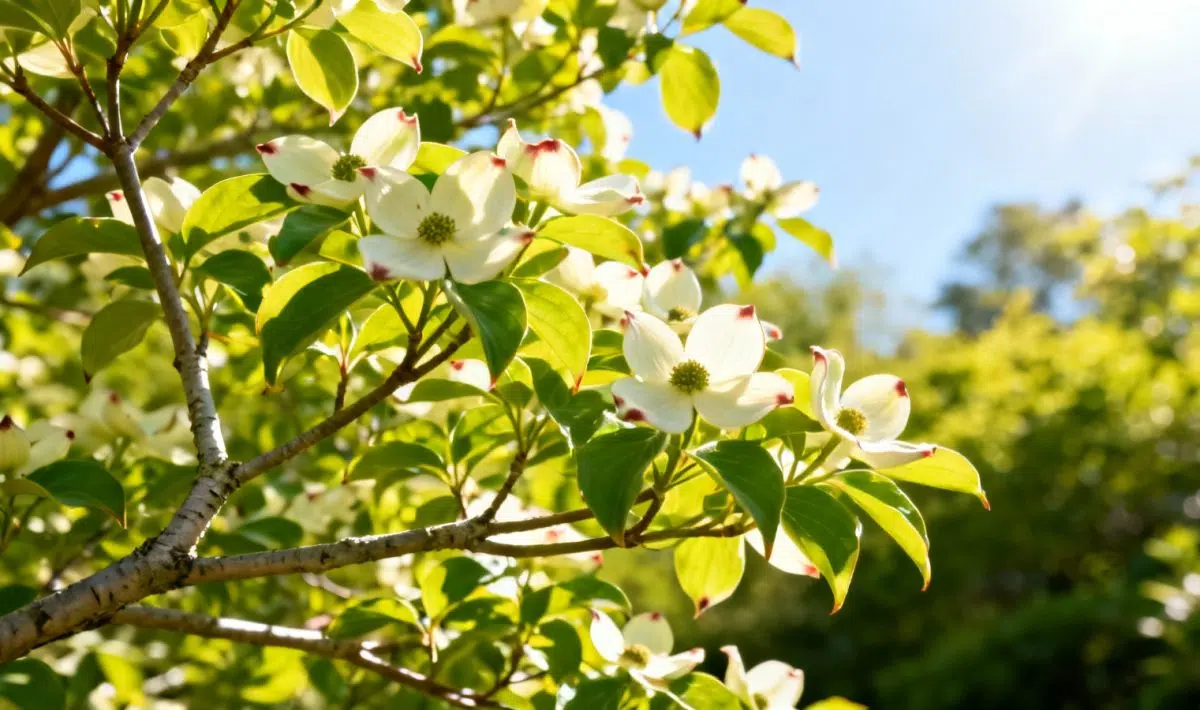
When considering how much sunlight does flowering dogwood need, the answer lies in finding the perfect balance for this spectacular native tree. Flowering dogwood (Cornus florida) thrives with 3 to 6 hours of direct sunlight daily, making it an ideal choice for partial shade locations. This adaptable tree produces stunning white or pink flowers that transform any landscape into a breathtaking display each spring.
The key to success with flowering dogwood lies in understanding its natural habitat preferences. Unlike many fruit trees that demand full sun exposure, dogwoods have evolved as understory plants in their native environment. They flourish when they receive morning sunlight followed by afternoon shade, which protects their delicate leaves from intense heat stress.
Optimal light conditions for healthy growth
In northern climates (USDA zones 5-6), flowering dogwoods can tolerate full sun exposure of 6 to 8 hours daily. The cooler temperatures in these regions allow the tree to handle more direct sunlight without experiencing leaf scorch. However, gardeners should ensure adequate moisture when planting in full sun locations.
For southern regions (zones 7-9), partial shade becomes crucial for tree health. Morning sun for 2 to 4 hours followed by afternoon protection creates ideal growing conditions. This approach prevents the common problem of leaf burn that affects dogwoods in hot, sunny locations. Just as sunlight requirements for coriander plants vary by climate, dogwood needs change based on local weather patterns.
Well-drained soil combined with proper light exposure ensures robust flowering and healthy foliage development. The tree’s native woodland origin means it prefers consistent moisture without waterlogged conditions.
Recognizing light-related problems
Too much direct sunlight can cause several issues with flowering dogwood trees. Leaf scorch appears as brown, crispy edges on leaves, particularly during hot summer months. Excessive sun exposure also leads to increased water stress, requiring more frequent irrigation to maintain tree health.
Conversely, insufficient light creates its own set of challenges. Dogwoods planted in deep shade often develop sparse flowering, with fewer of their characteristic white or pink blooms. The tree may also exhibit elongated growth patterns as it stretches toward available light sources, resulting in a less attractive form.
Similar to how light needs for blooming garden phlox affect flowering performance, inadequate sunlight significantly reduces dogwood bloom production. Monitoring your tree’s response to its current location helps determine whether adjustments are necessary.
Seasonal considerations for dogwood care
Spring represents the most critical time for flowering dogwood light management. As new leaves emerge and flower buds develop, the tree requires steady but not excessive sunlight. This season’s light exposure directly impacts the quality and quantity of the upcoming bloom display.
Summer brings the greatest challenge for dogwood health, particularly in warmer climates. Afternoon shade becomes essential during this period to prevent heat stress. Many successful gardeners position their dogwoods where they receive morning sun but gain protection from larger trees or structures during peak afternoon hours.
Fall and winter light requirements are less demanding, as the tree enters dormancy. However, winter sun protection can prevent bark splitting on younger trees, especially when sudden temperature changes occur.
Choosing the perfect planting location
When selecting a site for your flowering dogwood, evaluate the daily sun patterns throughout the growing season. Observe how shadows move across potential planting areas, noting which spots receive morning sun and afternoon shade. This careful evaluation ensures optimal growing conditions for years to come.
Consider the mature size of surrounding plants and trees when planning your dogwood’s location. What appears to be partial shade today might become deep shade as nearby trees grow larger. Planning for future growth prevents the need to relocate established trees later.
Soil drainage plays an equally important role alongside light requirements. Unlike crops such as those discussed in ideal sunlight for field pumpkins articles, dogwoods need consistent moisture but never soggy conditions. Elevated planting areas or amended soil can improve drainage in heavy clay locations.
Care tips for newly planted dogwoods
Young flowering dogwoods require extra attention during their establishment period. Newly planted trees benefit from temporary shade cloth during their first summer, especially when planted in locations receiving more than 4 hours of direct sunlight. This protection helps reduce transplant shock and encourages healthy root development.
Regular watering becomes crucial for trees planted in sunnier locations. Deep, infrequent watering encourages strong root growth, while frequent shallow watering can lead to surface root development and increased drought stress. Mulching around the tree base helps retain moisture and regulate soil temperature.
Monitoring leaf color and growth patterns during the first growing season provides valuable feedback about light conditions. Healthy dogwoods display rich green foliage with no brown edges or yellowing, indicating proper light and water balance.
Maximizing flowering potential
Proper light exposure directly correlates with flower production in flowering dogwoods. Trees receiving optimal sunlight produce abundant blooms that create stunning spring displays. The balance between adequate light and protection from harsh conditions determines both flower quantity and quality.
Fertilization timing also affects flowering success. Light feeding in early spring supports bloom development, while avoiding late-season fertilization prevents tender new growth that’s susceptible to early frost damage. This approach works well for various plants, including those mentioned in discussions about sunlight needs of common mallow care.
Pruning should be minimal and done immediately after flowering to avoid removing next year’s flower buds. Light pruning helps maintain the tree’s natural shape while ensuring good air circulation throughout the canopy.
Long-term maintenance and health
Established flowering dogwoods require ongoing attention to maintain their health and beauty. Regular monitoring for pest issues and diseases helps catch problems early when treatment is most effective. Proper light exposure strengthens the tree’s natural disease resistance.
As with many landscape trees, including those discussed in articles about light requirements for European ash trees, mature dogwoods benefit from periodic health assessments. Professional evaluation can identify potential issues before they become serious problems.
Seasonal care adjustments ensure continued flowering success. Spring fertilization, summer moisture management, and fall cleanup all contribute to long-term tree health and spectacular annual displays.
Understanding how much sunlight flowering dogwood needs empowers gardeners to create optimal growing conditions for these magnificent native trees. With proper light exposure, adequate moisture, and attentive care, dogwoods reward gardeners with decades of stunning spring blooms and attractive year-round presence in the landscape. Their adaptability to partial shade makes them valuable additions to gardens where full-sun plants might struggle, providing both beauty and ecological benefits for wildlife and pollinators.
Allan is a lifelong gardening enthusiast who still gets excited when the first seedlings pop up in spring. With a deep love for nature and a hands-in-the-soil approach, he shares practical tips, plant discoveries, and clever tricks picked up over years of digging, planting, and observing. Whether you’re a new gardener or have a shed full of tools, Allan writes like a neighbor who’s always happy to swap cuttings and stories over the fence.
You can find more about Allan’s work on Malt or connect with him on LinkedIn.