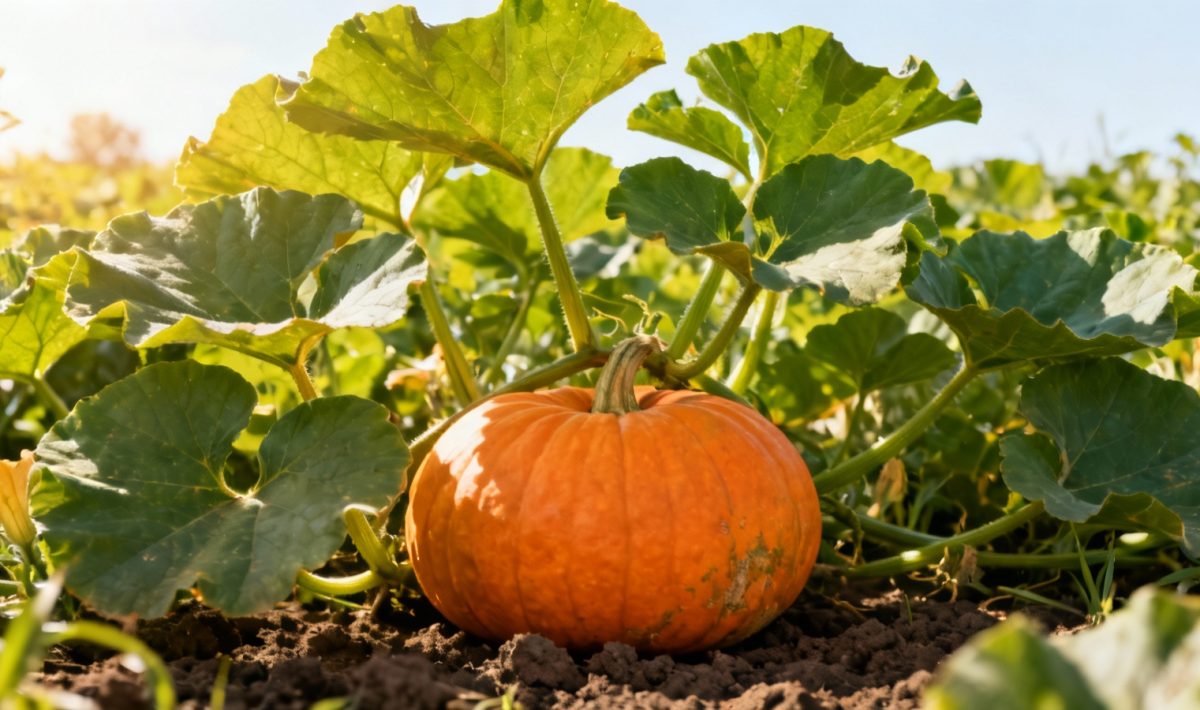
How much sunlight does field pumpkin need for optimal growth
Growing your own pumpkins at home can be incredibly rewarding, but understanding their sunlight needs is absolutely crucial for success. Field pumpkins are sun-loving plants that demand plenty of direct light to produce those beautiful, plump fruits you’re hoping for. Let’s dive into everything you need to know about giving your pumpkin seeds the perfect growing conditions.
Field pumpkins need a minimum of 6 hours of direct sunlight daily, though they truly thrive with 8 to 10 hours of full sun exposure. This extensive light requirement isn’t just a preference – it’s essential for proper vine development and fruit production. Your pumpkin plants will struggle in shaded areas and may produce smaller, less flavorful fruits.
The reason behind this high sunlight demand is simple: pumpkins are warm-season crops with vigorous growth patterns. They need all that solar energy to power their extensive vine systems and develop large, healthy fruits. Each plant can spread across 50 to 100 square feet, so positioning them in your sunniest garden spot is non-negotiable.
When selecting seeds for your garden, consider that different pumpkin varieties may have slightly varying light tolerances. However, all field pumpkins share this fundamental need for abundant sunshine. Much like other sun-loving plants, proper light exposure directly correlates with your harvest quality and quantity.
Optimal growing conditions for pumpkin success
Beyond sunlight, your pumpkins need warm soil temperatures and good drainage to flourish. Plant your seeds after the last frost when soil temperatures consistently reach 65-70°F. The combination of warm soil and full sun creates the perfect environment for seed germination, which typically occurs within 10-18 days under ideal conditions.
Choose a planting location that receives morning sun exposure, as this helps dry any overnight moisture from leaves and reduces disease risk. Eastern or southern exposures in your jardin work wonderfully for this purpose. Just as you might research sunlight requirements for coriander plants for your herb garden, understanding your pumpkin’s specific needs ensures better results.
Water management plays a crucial role alongside sunlight exposure. Your pumpkins need consistent moisture but never waterlogged conditions. Well-draining soil prevents root rot while allowing plants to fully utilize that abundant sunshine you’re providing.
Evaluating your garden space
Walk through your garden at different times of day to identify the sunniest spots. Note areas that receive uninterrupted sunlight from morning through late afternoon. These locations are prime real estate for your pumpkin patch.
Avoid planting near large trees, buildings, or structures that cast shadows during peak growing hours. Even partial shade can significantly impact your harvest. Remember, you’re planning for plants that will grow extensively over the season, so consider their mature size when selecting your site.
Best practices for planting and care
Start by preparing your soil with plenty of organic matter to support healthy growth. Rich, well-amended soil combined with full sun exposure creates the foundation for exceptional pumpkins. Plant your seeds in hills or rows, spacing them adequately to prevent overcrowding as vines spread.
During the growing season, monitor your plants for any signs of stress from insufficient light. Pale leaves, weak vine growth, or poor flowering can indicate that your plants aren’t receiving enough sunshine. Unlike plants such as those requiring optimal sunlight for common mallow, pumpkins show stress quickly when light levels drop.
Regular fertilization supports vigorous growth, especially when plants are receiving optimal sunlight. Use a balanced fertilizer early in the season, then switch to a phosphorus-rich formula once flowering begins. This feeding schedule, combined with proper sun exposure, maximizes fruit development.
Managing growth throughout the season
As your pumpkin vines spread, ensure they’re not shading each other or neighboring plants. Strategic pruning can improve air circulation and light penetration to developing fruits. Train vines away from areas where they might block sunlight to other garden plants.
Watch for pest issues that can be more problematic in full-sun locations. Regular inspection helps catch problems early before they impact your harvest. Healthy, well-lit plants are generally more resistant to disease and pest pressure.
Varieties and their specific needs
Different pumpkin varieties may have slight variations in their exact sunlight requirements, though all benefit from maximum exposure. Connecticut Field pumpkins, a popular choice for both decoration and cooking, exemplify the standard field pumpkin needs we’ve discussed.
Giant varieties require even more space and consistent sunlight to reach their full potential. These impressive plants can spread over 1,000 square feet and need every ray of sunshine to fuel their remarkable growth. Whether you’re growing standard or giant varieties, that 8-10 hour sunlight target remains your goal.
Consider your local climate when choosing varieties. In regions with intense summer heat, some afternoon shade might actually benefit plants, but morning and midday sun remain essential. Research shows that plants with different light requirements, such as growth needs of European ash trees, can help you understand how various species adapt to light conditions.
Timing your planting
Plan your planting schedule around your local frost dates and growing season length. Most field pumpkins need 100-120 days to reach maturity, so work backward from your desired harvest time. This planning ensures your plants receive optimal sunlight during their entire growing period.
In northern climates, starting seeds indoors can extend your growing season while still providing the outdoor sunlight exposure pumpkins require for healthy development.
Troubleshooting common sunlight issues
If your garden lacks ideal sun exposure, consider container growing or raised beds that can be positioned in the sunniest available spots. Large containers allow you to move plants if needed, though this becomes impractical once vines begin spreading extensively.
For gardens with partial sun, focus on compact or bush varieties that can make better use of limited light. While these won’t produce the massive fruits of vining types, they can still provide satisfying harvests with 6-7 hours of direct sunlight.
Some gardeners create reflective surfaces near their pumpkin plants to maximize available light. White mulch or strategically placed mirrors can boost light levels, though this technique works best in combination with naturally sunny locations rather than as a substitute for proper site selection.
Seasonal adjustments
As seasons progress and sun angles change, monitor how light patterns shift in your garden. What starts as full sun in spring might become partially shaded by late summer due to growing trees or changing sun paths. Understanding these patterns, much like knowing sunlight needs of purple amaranth, helps with long-term garden planning.
Late in the season, removing lower leaves from pumpkin vines can improve light penetration to developing fruits and reduce disease risk. This practice, combined with proper spacing, ensures maximum sunlight utilization throughout the growing period.
Maximizing your pumpkin harvest
Success with pumpkins comes down to providing consistent, abundant sunlight from planting through harvest. Your attention to proper site selection and ongoing care will reward you with healthy plants and impressive fruits perfect for fall decorating or delicious recipes.
Remember that growing conditions work together – excellent sunlight exposure combined with proper soil preparation, adequate spacing, and consistent care creates the ideal environment for pumpkin success. Just as different crops have varying needs, like light requirements for common beans, understanding your pumpkin’s specific requirements sets you up for gardening success.
Start planning your pumpkin patch with sunlight as your primary consideration, and you’ll be amazed at the quality and quantity of your harvest. With proper preparation and care, growing your own pumpkins becomes an enjoyable and rewarding gardening adventure that the whole family can enjoy.
Allan is a lifelong gardening enthusiast who still gets excited when the first seedlings pop up in spring. With a deep love for nature and a hands-in-the-soil approach, he shares practical tips, plant discoveries, and clever tricks picked up over years of digging, planting, and observing. Whether you’re a new gardener or have a shed full of tools, Allan writes like a neighbor who’s always happy to swap cuttings and stories over the fence.
You can find more about Allan’s work on Malt or connect with him on LinkedIn.