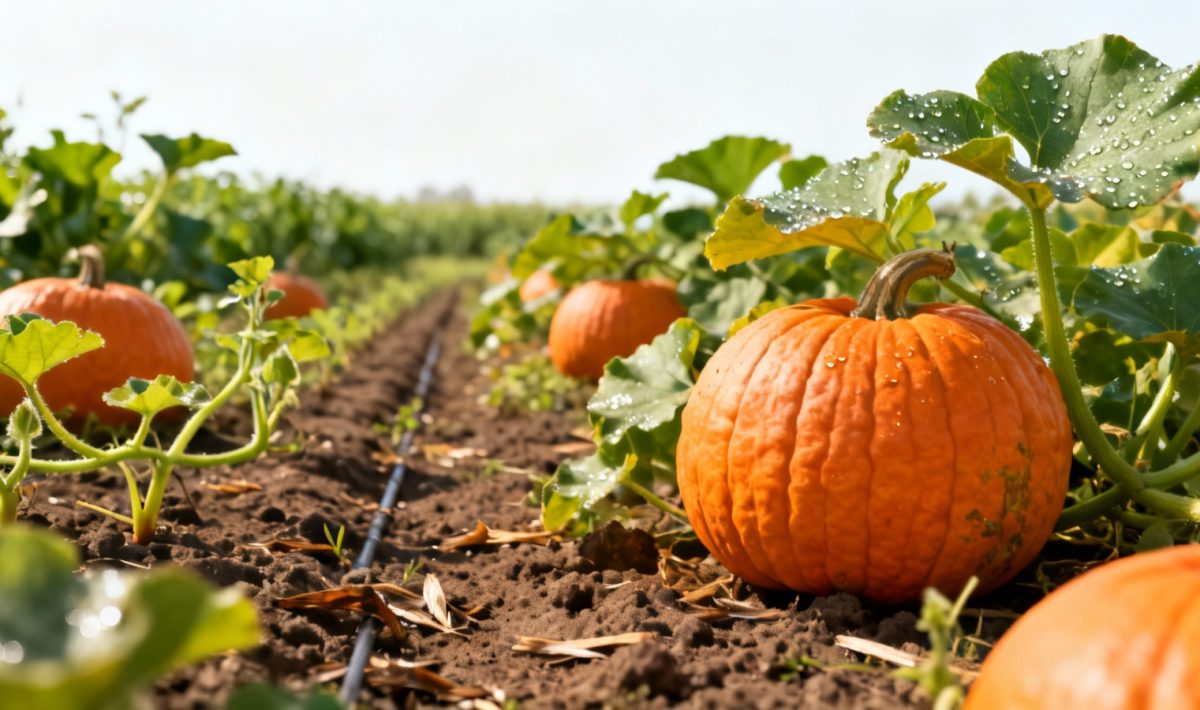
Field pumpkin cultivation: characteristics and care for Cucurbita pepo
Today I’m excited to share everything you need to know about growing field pumpkins, one of the most rewarding crops you can cultivate in your garden. Cucurbita pepo, commonly known as field pumpkin, represents a fascinating member of the squash family that has been nourishing communities for centuries. These vigorous plants offer incredible diversity, from decorative varieties to those perfect for your autumn recipes.
Field pumpkins are annual herbaceous plants that belong to the Cucurbitaceae family. Their vines can extend impressively, often reaching lengths between 6 to 30 feet depending on the variety you choose. The plants produce both male and female flowers on the same vine, making them monoecious and requiring cross-pollination for fruit development. Bees play a crucial role in this process, transferring pollen from male flowers to female ones while collecting nectar.
The seeds of these plants are remarkably hardy once established, though they’re sensitive to cold temperatures. Each individual plant can produce multiple fruits throughout the growing season, with characteristics varying significantly between different cultivars. Some varieties focus on ornamental value, while others prioritize flavor and storage qualities for culinary use.
What makes these plants particularly interesting is their ability to adapt to various growing conditions. However, they perform best in warm climates with plenty of sunshine and well-draining soil. The fruits themselves can range from small decorative gourds to massive pumpkins weighing over 100 pounds, depending on the specific traits you’re cultivating.
Essential care requirements
Successful cultivation begins with understanding the fundamental needs of your pumpkin plants. These crops thrive in full sun exposure, requiring at least 6-8 hours of direct sunlight daily. The soil should be rich, well-draining, and have a pH between 6.0 and 6.8 for optimal nutrient uptake.
Temperature plays a critical role in plant development. Field pumpkins need warm growing conditions, with soil temperatures consistently above 60°F for proper germination. Much like when you’re growing your own apricot trees, timing your planting after the last frost is essential for success.
Water management requires careful attention throughout the growing season. Young plants need consistent moisture for establishment, while mature vines benefit from deep, infrequent watering. Apply water directly to the soil around the base of plants rather than overhead to prevent fungal diseases from developing on leaves and stems.
Fertilization should focus on providing balanced nutrition during different growth phases. Start with nitrogen-rich fertilizer to encourage vine development, then transition to phosphorus and potassium as flowering begins. This approach supports both healthy plant growth and fruit development.
Cultivation techniques and soil preparation
Preparing your growing area properly sets the foundation for a successful harvest. Begin by selecting a location with excellent drainage and protection from strong winds. Pumpkins need considerable space, so plan for at least 50-100 square feet per plant depending on the variety.
Work organic matter into your soil several weeks before planting. Compost, aged manure, or leaf mold improves soil structure and provides slow-release nutrients throughout the growing season. This preparation method shares similarities with tips for cucumber gardening and care, as both crops appreciate rich, organic soil conditions.
Create planting hills or mounds approximately 6-8 inches high and 3-4 feet across. This technique improves drainage while warming the soil more quickly in spring. Space these hills 6-10 feet apart to accommodate the spreading nature of mature vines.
Consider companion planting with crops that complement pumpkin growth. Corn can provide natural support for vines, while beans fix nitrogen in the soil. However, avoid planting near crops that compete heavily for nutrients or space.
Propagation methods and seed starting
Starting from seeds offers the most economical and diverse way to grow field pumpkins. You have two main approaches: direct seeding outdoors or starting seedlings indoors for transplanting later. Each method has its advantages depending on your climate and growing goals.
For direct seeding, wait until soil temperatures consistently reach 65°F or higher. Plant seeds 1 inch deep in prepared hills, placing 3-4 seeds per hill. This approach works well in areas with long growing seasons and minimal risk of late spring frosts.
Indoor seed starting gives you better control over germination conditions and extends your growing season. Start seeds 2-3 weeks before your last expected frost date. Use individual containers to minimize root disturbance during transplanting, as pumpkin seedlings can be sensitive to root damage.
Maintain soil temperatures between 70-85°F for optimal germination, which typically occurs within 7-14 days under proper conditions. Keep soil consistently moist but not waterlogged during this critical period. Just as with caring for oxeye daisies in your garden, consistent moisture during establishment phases proves crucial for long-term success.
Managing pests and diseases
Successful pumpkin cultivation requires vigilant monitoring for common pests and diseases that can impact plant health and fruit production. Squash bugs, cucumber beetles, and vine borers represent the most frequent pest challenges you’ll encounter during the growing season.
Implement integrated pest management strategies that combine prevention, monitoring, and targeted treatments. Row covers during early growth protect young plants from flying insects while allowing beneficial pollinators access once flowering begins. Remove covers when flowers appear to ensure proper pollination occurs.
Fungal diseases like powdery mildew and bacterial wilt can significantly impact plant vigor. Provide adequate air circulation between plants and avoid overhead watering to minimize conditions favorable for disease development. Remove infected plant material promptly to prevent spread to healthy areas.
Regular scouting helps identify problems early when treatment options are most effective. Check plants weekly for signs of pest damage or disease symptoms, paying particular attention to the undersides of leaves where many problems first appear.
Harvesting and storage considerations
Knowing when and how to harvest your pumpkins ensures the best quality and longest storage life. Most varieties require 90-120 days from planting to reach full maturity, though this varies significantly between different cultivars and growing conditions.
Mature pumpkins develop a hard rind that resists fingernail pressure and produces a hollow sound when tapped. The stem begins to dry and turn brown, while the fruit develops its characteristic color. Harvest before hard frosts occur, as frozen pumpkins deteriorate rapidly in storage.
Proper harvesting technique involves cutting the stem with sharp pruners, leaving 2-3 inches attached to the fruit. Handle pumpkins carefully to avoid bruising, which creates entry points for decay organisms. Allow freshly harvested fruits to cure in sunny, dry conditions for 10-14 days before storage.
Store cured pumpkins in cool, dry locations with good air circulation. Ideal storage conditions include temperatures between 50-55°F with 50-70% relative humidity. Under proper conditions, many varieties maintain quality for several months, providing fresh produce well into winter.
Growing field pumpkins successfully requires attention to detail and patience, but the results reward your efforts with abundant harvests and endless possibilities. Whether you’re planning jack-o’-lanterns, pies, or decorative displays, these versatile plants offer something for every gardener. Much like care for Pontic rhododendron effectively, success comes from understanding the specific needs of your plants and providing consistent, appropriate care throughout the growing season.
Allan is a lifelong gardening enthusiast who still gets excited when the first seedlings pop up in spring. With a deep love for nature and a hands-in-the-soil approach, he shares practical tips, plant discoveries, and clever tricks picked up over years of digging, planting, and observing. Whether you’re a new gardener or have a shed full of tools, Allan writes like a neighbor who’s always happy to swap cuttings and stories over the fence.
You can find more about Allan’s work on Malt or connect with him on LinkedIn.