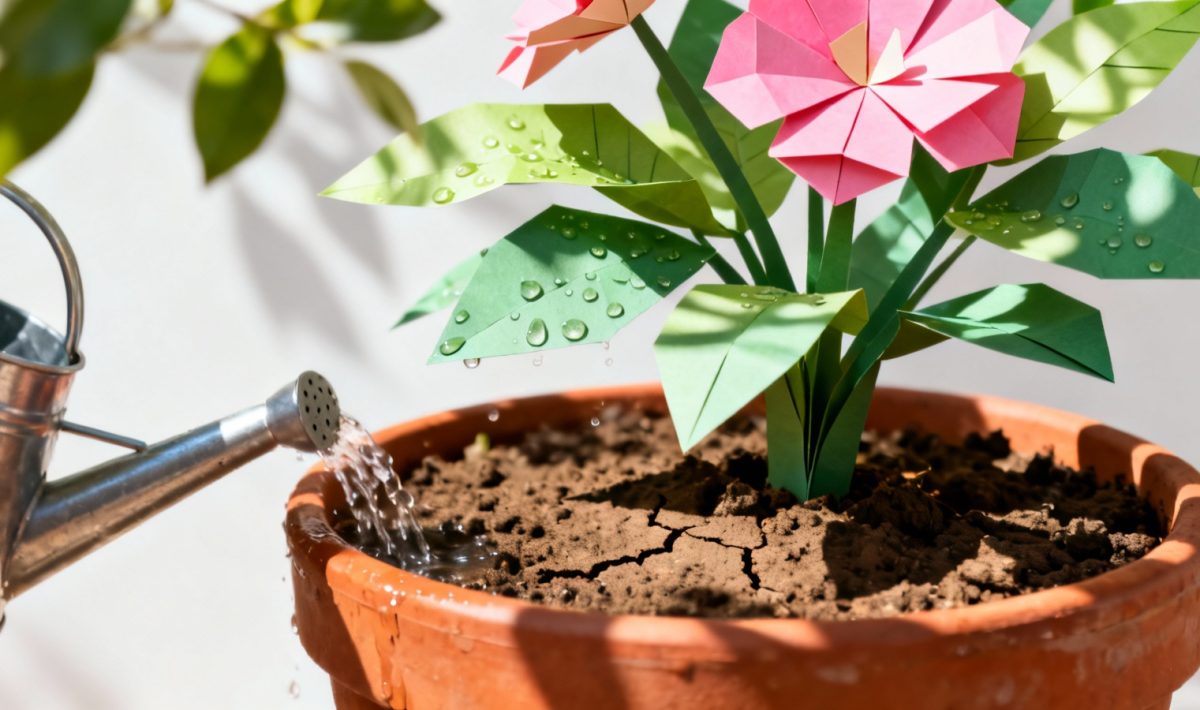
How often should you water your paperflower – Essential care tips
Caring for your paperflower can feel a bit puzzling at first, especially when you’re trying to figure out the perfect watering schedule. These charming desert blooms have specific needs that differ significantly from your typical houseplants. Understanding how to properly water your paperflower will make all the difference in keeping it healthy and vibrant.
The paperflower, scientifically known as Psilostrophe cooperi, is a fascinating desert perennial that produces delicate yellow flowers resembling tissue paper. This hardy plant has evolved to thrive in arid conditions, which means it’s naturally equipped to handle periods of drought. However, this doesn’t mean you can completely neglect its water needs.
What makes paperflowers particularly special is their ability to store water in their tissues, much like succulents do. Their silvery-green foliage and sturdy stems are designed to minimize water loss, making them incredibly efficient at conserving moisture. This adaptation is crucial to understand because it directly impacts how often you should water them.
Unlike tropical plants that crave constant moisture, paperflowers actually prefer to dry out between waterings. Their root system is sensitive to prolonged moisture, which can quickly lead to root rot and other fungal issues. This is why finding the right balance is so important for their overall health.
How often should you water your paperflower throughout the year
The frequency of watering your paperflower depends heavily on the season and growing conditions. During the active growing season in spring and summer, you’ll typically need to water every 7 to 10 days. However, this schedule should be adjusted based on your specific environment and the plant’s actual needs rather than following a rigid timeline.
In winter months, paperflowers enter a dormancy period where their water requirements drop significantly. During this time, you can extend the watering interval to every 10 to 15 days, or even longer if the plant is kept in cooler conditions. The key is to monitor the soil moisture rather than sticking to a fixed schedule.
Environmental factors play a huge role in determining watering frequency. If your paperflower is exposed to high temperatures above 25°C, direct sunlight, or dry air, you may need to water more frequently, perhaps every 5 to 7 days. Conversely, in cooler, more humid conditions, you can space out waterings even further.
The soil test method for perfect timing
The most reliable way to determine when your paperflower needs water is by checking the soil moisture. Insert your finger about 5 centimeters deep into the soil around the plant. If the soil feels dry at this depth, it’s time to water. This method is far more accurate than relying on surface appearances or strict schedules.
For potted paperflowers, you can also lift the container to gauge its weight. A significantly lighter pot usually indicates that the soil has dried sufficiently and watering is needed. This technique becomes more intuitive with practice and helps you develop a better feel for your plant’s needs.
Proper watering techniques for optimal health
When you determine it’s time to water your paperflower, the technique matters just as much as the timing. Water thoroughly but infrequently, allowing the water to penetrate deeply into the soil. For a standard 13-centimeter pot, approximately 100 milliliters of water (about the size of a champagne glass) is typically sufficient.
Apply water slowly and evenly around the base of the plant, avoiding wetting the foliage when possible. This helps prevent fungal diseases and ensures that the water reaches the root zone effectively. Continue watering until you see water beginning to drain from the bottom of the pot, indicating that the soil is thoroughly moistened.
After watering, it’s crucial to remove any excess water that collects in saucers or trays within 15 minutes. Standing water can quickly lead to root problems, even in drought-tolerant plants like paperflowers. Good drainage is absolutely essential for the long-term health of your plant.
Water quality considerations
The quality of water you use can impact your paperflower’s health over time. Room temperature water is ideal, as cold water can shock the roots and hot water can damage them. If possible, use filtered or rainwater, as paperflowers can be sensitive to the chemicals commonly found in tap water.
If you must use tap water, let it sit out overnight to allow chlorine to evaporate before using it on your plants. This simple step can prevent leaf burn and other chemical-related stress that might affect your paperflower’s overall vitality.
Common watering mistakes to avoid
One of the most frequent errors people make with paperflowers is overwatering. These plants are far more likely to suffer from too much water than too little. Signs of overwatering include yellowing leaves, soft or mushy stems, and a general wilted appearance despite wet soil.
On the flip side, severe underwatering can also cause problems, though paperflowers are generally more forgiving of drought conditions. Signs that your plant needs more frequent watering include extremely crispy or brittle leaves, flower buds that fail to open, and overall stunted growth.
Another common mistake is watering on a rigid schedule without considering environmental changes. Seasonal variations, changes in humidity, temperature fluctuations, and differences in light exposure all affect how quickly soil dries out. Always let the plant’s actual needs guide your watering decisions rather than calendar dates.
Recognizing stress signals
Learning to read your paperflower’s stress signals will help you adjust your watering routine effectively. Healthy paperflowers have firm, silvery-green foliage and produce bright yellow flowers regularly during their growing season. Any deviation from this appearance might indicate watering issues.
If leaves begin dropping excessively or the plant appears to be wilting despite adequate moisture, you may be dealing with root problems caused by improper watering. In such cases, it’s often better to err on the side of less water while the plant recovers.
Seasonal adjustments for optimal care
Understanding how to adjust your watering routine throughout the year is crucial for maintaining healthy paperflowers. Spring typically marks the beginning of more active growth, when you can gradually increase watering frequency as temperatures rise and daylight hours extend.
Summer often requires the most attention to watering schedules, as higher temperatures and increased light levels cause soil to dry out more quickly. However, even during peak summer, it’s important to maintain the “soak and dry” approach rather than keeping soil constantly moist.
As autumn approaches and temperatures begin to cool, you can start reducing watering frequency. This helps prepare your paperflower for its winter dormancy period and prevents issues that can arise from keeping dormant plants too wet.
Mastering the art of watering paperflowers comes down to observation and patience. These remarkable desert plants reward careful attention with stunning blooms and years of reliable growth. Remember that it’s always better to underwater slightly than to overwater, and let your plant’s actual condition guide your decisions rather than arbitrary schedules. With time and practice, you’ll develop an intuitive understanding of exactly what your paperflower needs to thrive.
Allan is a lifelong gardening enthusiast who still gets excited when the first seedlings pop up in spring. With a deep love for nature and a hands-in-the-soil approach, he shares practical tips, plant discoveries, and clever tricks picked up over years of digging, planting, and observing. Whether you’re a new gardener or have a shed full of tools, Allan writes like a neighbor who’s always happy to swap cuttings and stories over the fence.
You can find more about Allan’s work on Malt or connect with him on LinkedIn.