How often should you water your oregano for healthy container growing
Growing oregano successfully hinges on understanding exactly how often you should water your oregano plants. This Mediterranean herb thrives with careful attention to watering schedules, and getting it right means the difference between a flourishing plant and one that struggles. Whether you’re cultivating oregano in containers on your patio or planting directly in your garden beds, proper watering techniques will ensure your herb plants produce those aromatic leaves you love.
Oregano plants are naturally drought-tolerant herbs that prefer well-draining soil conditions. These hardy plants can actually suffer more from overwatering than underwatering, which makes understanding their specific needs crucial for success. Your oregano will establish strong root systems when you allow the soil to dry slightly between waterings, encouraging the plant to develop the deep roots that help it access water naturally.
The frequency of watering depends heavily on several factors including container size, soil type, weather conditions, and the age of your plants. Young oregano plants require more frequent attention than established ones, while container-grown herbs need watering more often than those planted directly in garden beds. During the growing season, you’ll typically water container oregano 2-3 times per week, while garden plants may only need weekly watering.
Seasonal watering guidelines for oregano
Spring brings new growth to your oregano plants, and this is when they’ll need consistent moisture to support fresh leaves and stems. Water your containers when the top inch of soil feels dry to the touch, which usually occurs every 2-3 days during active growing periods. Garden plants can go longer between waterings since they can access deeper moisture reserves.
Summer heat increases water demands significantly, especially for container plants that dry out faster in hot weather. You may need to water daily during heat waves, but always check soil moisture first. For those managing multiple herb plants, consider grouping containers together in a partially shaded area to reduce water loss. When exploring watering techniques for other plants, you might find it helpful to learn about watering guidelines for Chinese money plants which share similar container growing needs.
Fall watering should gradually decrease as temperatures cool and plant growth slows. Reduce watering frequency to once or twice weekly for containers, and even less for garden plants. Winter requires minimal watering, especially in regions where oregano goes dormant.
Container vs. garden watering differences
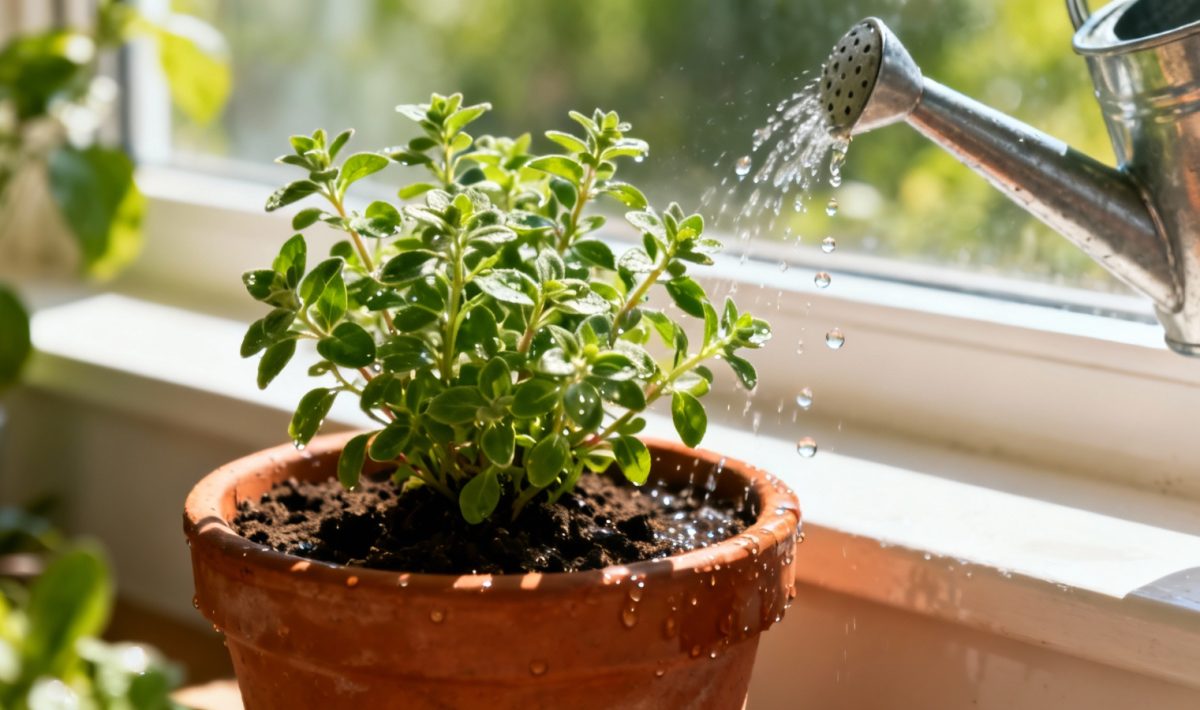
Container growing presents unique challenges that affect how often you water oregano. Pots dry out much faster than garden beds, particularly small containers or those made from terra cotta which allows moisture to evaporate through the walls. Use containers with drainage holes to prevent water from collecting at the bottom, which can lead to root rot.
Garden plants benefit from natural rainfall and can access groundwater through their root systems. Once established, garden oregano typically needs supplemental watering only during extended dry periods. The soil type in your garden also affects drainage – clay soils hold water longer while sandy soils drain quickly and may require more frequent watering.
Space your oregano plants appropriately in the garden to reduce competition for water resources. Each plant needs room to develop its root system without competing with neighboring plants. Similar spacing considerations apply when growing other herbs, and understanding proper watering intervals becomes important for various plants including optimal watering for watermelon growth in vegetable gardens.
Signs your oregano needs water
Visual cues from your oregano plants will tell you when watering is necessary. Healthy oregano leaves should appear vibrant green and slightly firm to the touch. When plants need water, leaves may appear slightly wilted or less perky than usual, though they shouldn’t be completely drooping.
Check soil moisture by inserting your finger about one inch into the soil near the base of the plant. If the soil feels dry at this depth, it’s time to water. Avoid relying solely on the surface appearance, as the top layer can appear dry while moisture remains below.
Overwatered oregano shows different symptoms including yellowing leaves, musty soil odors, or soft, blackened stems near the soil line. These signs indicate that you’re watering too frequently and should allow the soil to dry more between waterings.
Best watering techniques for oregano
Water oregano plants at soil level rather than spraying water on the leaves, which can promote fungal diseases. Use a watering can with a narrow spout or a hose with a gentle spray attachment to direct water precisely where needed. Water slowly to allow soil absorption rather than creating runoff.
Early morning watering proves most effective because it allows plants to absorb moisture before the day’s heat while giving wet foliage time to dry. This timing reduces the risk of fungal problems that can develop when leaves remain wet overnight.
For container herbs, water until you see drainage from the bottom holes, ensuring the entire root zone receives moisture. Empty saucers or trays after 30 minutes to prevent plants from sitting in standing water. This approach works well for many containerized plants, and you can apply similar principles when learning about watering tips for healthy smoketrees or other potted specimens.
Soil preparation for optimal water retention
Well-draining soil is essential for oregano success, but it should still retain enough moisture to support healthy growth. Mix compost or other organic matter into garden beds to improve both drainage and water retention. For containers, use a high-quality potting mix designed for herbs rather than garden soil, which can become too dense in pots.
Add perlite or coarse sand to heavy soils to improve drainage, while incorporating coconut coir or aged compost helps sandy soils hold moisture longer. The goal is creating soil that drains freely but doesn’t dry out immediately after watering.
Mulching around garden oregano helps retain soil moisture and reduces watering frequency. Use organic mulches like shredded leaves or straw, keeping mulch a few inches away from plant stems to prevent pest issues. Container plants can benefit from a thin layer of decorative mulch to slow evaporation.
Troubleshooting common watering problems
If your oregano plants consistently wilt despite regular watering, check for drainage problems or root-bound conditions in containers. Compacted soil prevents proper water penetration, while overly dense plantings create competition for available moisture.
Plants that recover quickly after watering indicate proper soil conditions, while those that remain stressed may have damaged roots from overwatering or poor drainage. Adjust your watering schedule based on how quickly plants respond to moisture applications.
Different growing conditions require adapted approaches, and understanding plant-specific needs becomes valuable when managing diverse garden spaces. For instance, tips for watering orange coneflowers can provide insights into managing perennial plants with different moisture requirements alongside your herbs.
Advanced watering strategies
Drip irrigation systems work excellently for oregano plants, delivering consistent moisture directly to root zones while minimizing water waste. These systems are particularly valuable for larger herb gardens or when growing multiple plants in containers.
Self-watering containers offer another solution for consistent moisture levels, especially useful for busy gardeners or when traveling. These systems provide steady water access while preventing overwatering through built-in reservoirs and wicking mechanisms.
Rain gauges help track natural precipitation so you can adjust supplemental watering accordingly. During rainy periods, reduce or eliminate additional watering to prevent oversaturated soil conditions. This monitoring approach applies to various garden plants, including understanding how frequently to water sycamore trees in landscape settings where natural rainfall patterns affect watering schedules.
Maximizing oregano harvest through proper hydration
Consistent moisture levels promote steady leaf production and maintain the essential oils that give oregano its distinctive flavor. Plants under water stress may produce smaller leaves or develop bitter flavors, while overwatered plants often produce weak, flavorless growth.
Harvest oregano in the morning after watering when essential oil concentrations are highest. Regular harvesting encourages new growth, but maintain adequate watering to support the energy demands of producing fresh leaves.
Understanding seasonal growing patterns helps optimize both watering and harvesting schedules. Different plants have varying seasonal needs, and knowledge about how to water winter squash plants can complement your herb gardening skills when planning diverse seasonal gardens.
Proper watering creates the foundation for successful oregano cultivation, whether you’re growing this versatile herb in containers or garden beds. By understanding your plants’ specific needs and adjusting your approach based on growing conditions, you’ll enjoy abundant harvests of flavorful oregano throughout the growing season. Remember that consistency matters more than frequency – establishing a routine that matches your plants’ needs while monitoring their responses will lead to the healthiest, most productive oregano plants in your garden space.
Allan is a lifelong gardening enthusiast who still gets excited when the first seedlings pop up in spring. With a deep love for nature and a hands-in-the-soil approach, he shares practical tips, plant discoveries, and clever tricks picked up over years of digging, planting, and observing. Whether you’re a new gardener or have a shed full of tools, Allan writes like a neighbor who’s always happy to swap cuttings and stories over the fence.
You can find more about Allan’s work on Malt or connect with him on LinkedIn.