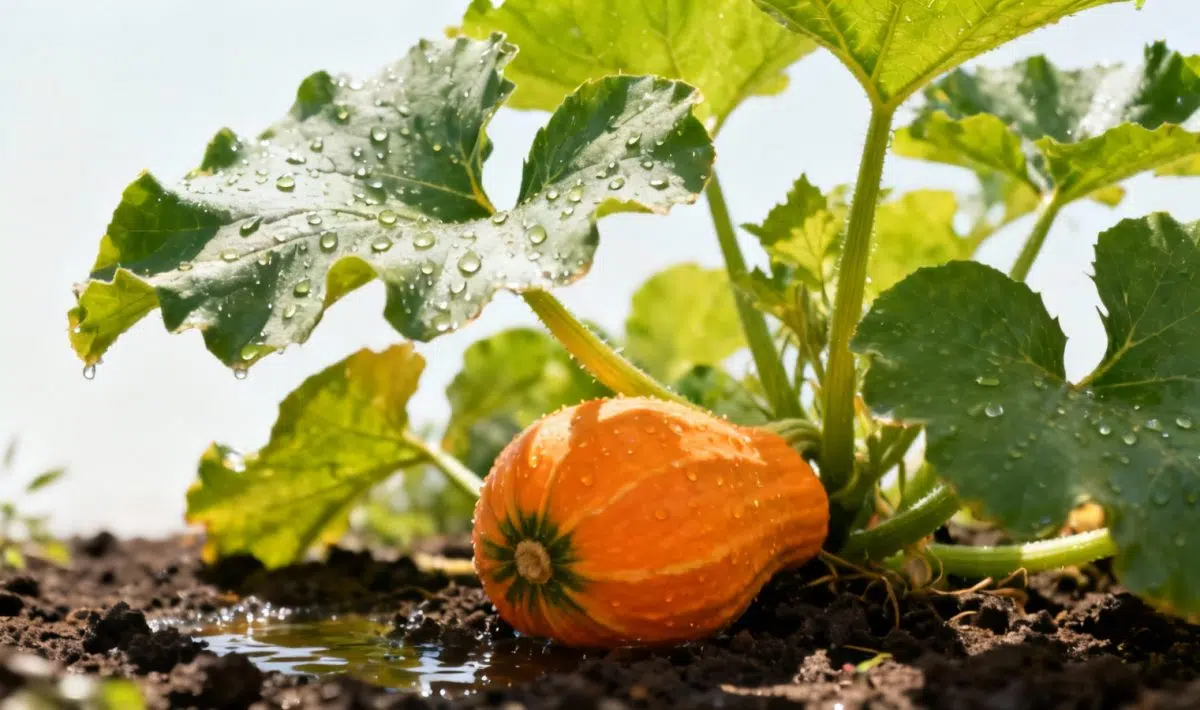
How often should you water your winter squash for healthy growth
Growing winter squash successfully depends heavily on getting the watering schedule just right. How often should you water your winter squash? The answer varies based on several factors, but generally, you’ll want to provide about 20-30mm of water per week during the growing season. Let’s dive into the specifics so your plants can thrive and produce those beautiful orange and yellow fruits you’re hoping for.
Winter squash plants have deep root systems that can extend 1.2 to 1.8 meters into the soil. This means they’re naturally drought-tolerant once established, but consistent moisture is crucial for proper germination and early growth. Your squash plants need steady hydration to develop their extensive root network and support those heavy fruits that can weigh several pounds when mature.
The key is finding the sweet spot between too much and too little water. Too much water can lead to root rot and poor fruit quality, while too little will result in stunted growth and disappointing harvests. Just like understanding the optimal watering for watermelon growth, winter squash requires a balanced approach to irrigation.
During germination and the first few weeks after planting your seeds, the soil should remain consistently moist but not waterlogged. This is when your plants are most vulnerable and need reliable moisture to establish strong roots.
Factors that influence watering frequency
Soil type matters
Your soil type plays a huge role in how often you’ll need to water. Sandy soils drain quickly and may require watering every 2-3 days during hot weather. Clay soils hold moisture longer, so you might only need to water once or twice per week. Rich, organic soil with good drainage is best for winter squash, as it retains moisture while preventing waterlogging.
Testing your soil humidity is simple – stick your finger about 2 inches deep. If it feels dry, it’s time to water. If it’s still moist, wait another day or two before checking again.
Weather and seasonal considerations
Hot, sunny days increase water needs dramatically. During heat waves, you may need to water daily to keep your plants from wilting. Conversely, cool, humid weather reduces water requirements. Always check the weather forecast and adjust your watering schedule accordingly.
Early in the growing season, when temperatures are warm but not scorching, watering 1-2 times per week is usually sufficient. As summer heat intensifies, increase frequency to every other day or even daily if needed. Similar to the watering needs for sycamore trees, consistency is more important than quantity.
Plant growth stages
Young squash plants need more frequent, lighter watering to keep the soil consistently moist for germination and establishment. Mature plants with established root systems can handle deeper, less frequent watering sessions. This encourages roots to grow deeper and makes plants more drought-resistant.
During fruit development, maintain steady moisture levels to prevent blossom end rot and ensure proper fruit formation. However, reduce watering significantly about 15 days before harvest to concentrate sugars and improve storage quality.
Practical watering techniques for winter squash
Best watering methods
Drip irrigation or soaker hoses are ideal for winter squash because they deliver water directly to the root zone without wetting the leaves. This reduces disease risk and water waste. If you’re hand-watering, use a watering wand or hose nozzle to direct water at the base of plants.
Water early morning when possible – this gives plants time to absorb moisture before the day’s heat and reduces evaporation losses. Avoid watering in the evening, as wet foliage overnight can promote fungal diseases.
Mulching for moisture retention
Apply a thick layer of organic mulch around your squash plants to retain soil moisture and reduce watering frequency. Straw, grass clippings, or shredded leaves work well. Keep mulch a few inches away from plant stems to prevent pest problems.
Mulch also helps regulate soil temperature and suppresses weeds that compete for water. This is particularly beneficial during the hot summer months when water conservation becomes critical. Like maintaining the watering your Chinese money plant, consistency in soil moisture is key.
Avoiding common watering mistakes
Don’t water on a rigid schedule without considering weather conditions. Adjust frequency based on rainfall, temperature, and soil moisture levels. Also avoid shallow, frequent watering that encourages surface roots instead of deep root development.
Never water during the hottest part of the day, as much of the water will evaporate before reaching plant roots. Also, be careful not to splash water on leaves, especially late in the season when powdery mildew and other diseases become more common.
Monitoring and adjusting your watering routine
Signs your plants need water
Watch for wilting during the heat of the day – this is normal, but if plants don’t perk up by evening, they need water. Yellowing leaves can indicate both over and under-watering, so check soil moisture before making adjustments.
Healthy squash plants have deep green foliage and steady growth. Stressed plants may show slowed growth, poor fruit set, or premature yellowing. Just as you would monitor the healthy growth of smoketrees, regular observation helps you catch problems early.
Seasonal watering adjustments
Spring planting requires careful attention to soil moisture for proper germination. Seeds planted in too-dry soil may fail to germinate, while those in waterlogged conditions can rot. Keep soil consistently moist but not soggy during this critical period.
Summer brings peak water demands as plants reach full size and begin producing fruits. This is when you’ll water most frequently, possibly daily during heat waves. Fall watering should be reduced as temperatures cool and harvest approaches.
Consider the specific needs of your garden’s microclimate too. Areas with more shade may need less water, while exposed, windy spots dry out faster. Similar to understanding watering tips for wintercreepers, adapting to your specific conditions is crucial for success.
Final harvest considerations
About two weeks before expected harvest, significantly reduce watering frequency. This helps concentrate sugars in the fruits and improves their storage quality. Well-cured winter squash can keep for months when properly harvested and stored.
Remember that winter squash fruits are 95% water, so adequate hydration throughout the growing season directly impacts fruit quality and size. However, the final weeks before harvest are when less water actually improves the end product.
By following these guidelines and paying attention to your plants’ needs, you’ll be rewarded with healthy, productive winter squash plants and a bountiful harvest of delicious fruits to enjoy through the winter months.
Allan is a lifelong gardening enthusiast who still gets excited when the first seedlings pop up in spring. With a deep love for nature and a hands-in-the-soil approach, he shares practical tips, plant discoveries, and clever tricks picked up over years of digging, planting, and observing. Whether you’re a new gardener or have a shed full of tools, Allan writes like a neighbor who’s always happy to swap cuttings and stories over the fence.
You can find more about Allan’s work on Malt or connect with him on LinkedIn.