Common boxwood – Buxus sempervirens: care, characteristics, culture, propagation
The Buxus sempervirens, commonly known as common boxwood or simply buis, stands as one of Europe’s most beloved evergreen shrubs. This remarkable plant has been gracing gardens across France and beyond for centuries, earning its reputation through dense foliage and incredible versatility in landscape design.
What makes this buxus species so special? Its small, glossy green leaves create an impenetrable wall of color year-round, while its slow growth habit makes it perfect for formal gardens and topiary work. Whether you’re planning a hedge or considering specimen planting, understanding this plant’s needs will ensure success in your garden.
Common boxwood belongs to the Buxaceae famille, a group of plants known for their hardwood properties and evergreen nature. The espèce typically reaches heights of 1-3 meters, developing a naturally rounded form with dense branching patterns that respond beautifully to pruning.
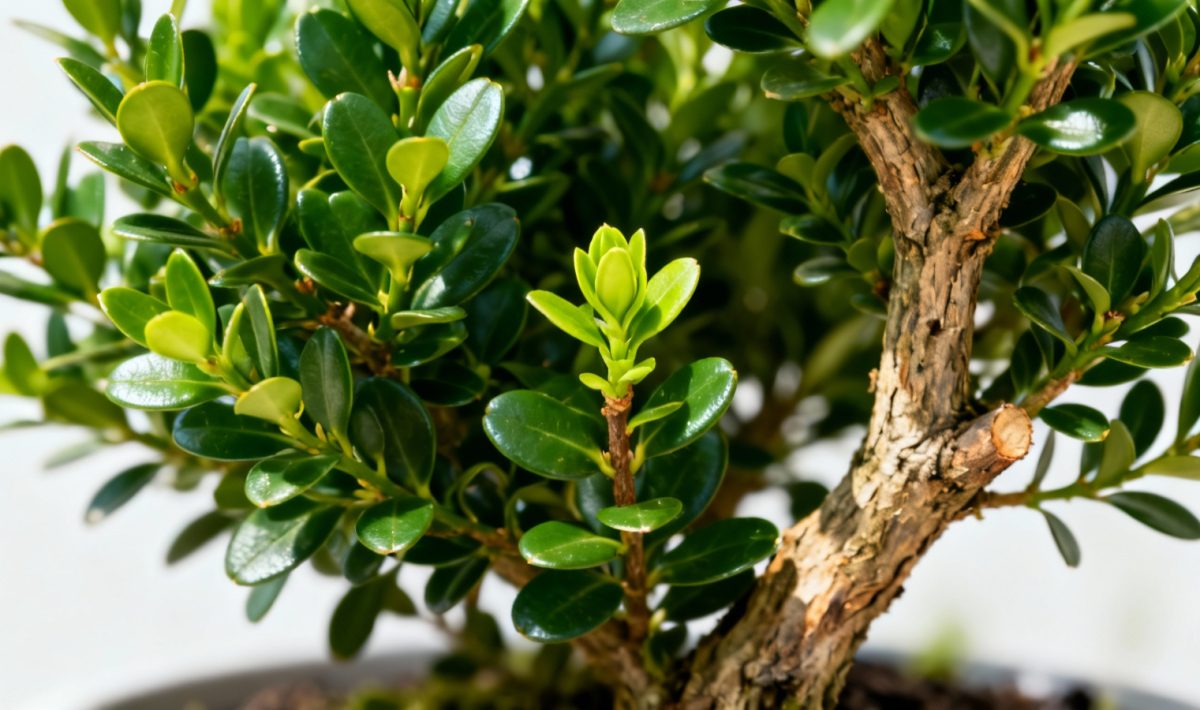
The feuilles are perhaps the most distinctive feature of this buis. Each leaf measures roughly 1-3 centimeters long, displaying a leathery texture with a brilliant green couleur that remains vibrant throughout hiver. These small leaves grow opposite each other along the rameaux, creating the characteristic dense appearance that gardeners prize.
Interestingly, much like how you might learn about common borage care for herb gardens, boxwood requires specific attention to its unique growing requirements.
The bois of mature buxus plants develops remarkable density and hardness. This quality has made boxwood valuable for centuries in crafting fine instruments, engravings, and decorative objects. The tight grain and pale couleur of the wood make it highly sought after even today.
Optimal growing conditions for your boxwood
Success with Buxus sempervirens begins with understanding its preferred environment. This arbuste thrives in locations receiving full sun to partial shade, though it adapts remarkably well to various light conditions. However, protection from harsh winter winds proves essential to prevent leaf burn and branch damage.
Soil requirements are refreshingly flexible for this resilient plant. Common boxwood tolerates clay, loamy, or sandy soils, provided drainage remains adequate. The ideal pH ranges from 6.0 to 8.0, with optimal nutrient availability occurring around 6.8 to 7.5. Poor drainage can quickly lead to root rot, so ensure eau doesn’t collect around the root zone.
Temperature tolerance varies by region, but established plants typically withstand winters throughout most of Europe and comparable climate zones. Young plants benefit from winter protection during their first few seasons, especially in areas with severe frost.
Planting and establishing your boxwood
When selecting a plant for your garden, choose healthy specimens with dense feuillage and no signs of pest damage. The best planting times occur during spring or early fall, allowing roots to establish before extreme weather arrives.
Dig planting holes twice the width of the root ball but only as deep as the container. Position the plant so the root ball sits slightly above soil level – approximately 3mm higher than surrounding ground. This prevents water accumulation around the crown and reduces disease risk.
For hedge planting, space individual plants 30-45 centimeters apart for dense coverage within 2-3 years. Specimen plants can be spaced further apart, allowing their natural form to develop fully. Much like when you discover hardy fuchsia characteristics for mixed borders, proper spacing ensures healthy air circulation.
Essential care and maintenance practices
Regular watering during the first growing season helps establish strong root systems. Once established, boxwood demonstrates good drought tolerance, though consistent moisture produces the best growth and feuillage quality. Water deeply but infrequently rather than providing frequent shallow irrigation.
Pruning represents perhaps the most important maintenance task for buxus plants. Light pruning can occur throughout the growing season, but major shaping should happen in late spring after new growth begins. Sharp, clean tools prevent bark tearing and disease transmission.
The dense nature of boxwood feuillage sometimes restricts air circulation, creating conditions favorable for fungal diseases. Regular thinning of interior branches improves airflow and reduces disease pressure while maintaining the plant’s characteristic dense appearance.
Fertilization needs remain modest for established plants. A balanced, slow-release fertilizer applied in early spring provides adequate nutrition for the entire growing season. Avoid high-nitrogen fertilizers that promote excessive soft growth vulnerable to winter damage.
Propagation methods and techniques
Growing new buxus plants from existing specimens offers both economic and personal satisfaction. Cuttings represent the most reliable propagation method, producing plants identical to the parent.
Take semi-hardwood cuttings in late summer when current-year growth has begun to firm up. Cut 4-6 inch sections from healthy rameaux, making clean cuts just below leaf nodes. Remove lower leaves and dip cut ends in rooting hormone before inserting into well-draining propagation medium.
Maintain consistent moisture and provide bright, indirect light for rooting cuttings. Most cuttings develop adequate root systems within 8-12 weeks under proper conditions. Much like techniques used when you understand pepper plant propagation, success depends on consistent care and patience.
Seed propagation is possible but rarely practiced due to slow germination and variable offspring characteristics. Fresh seeds collected in autumn require cold stratification before planting in spring.
Landscape applications and design uses
The versatility of Buxus sempervirens in landscape design remains unmatched among evergreen shrubs. Formal hedge applications showcase its ability to maintain precise lines and shapes with regular maintenance. Low hedges define garden borders effectively, while taller hedges provide privacy and wind protection.
Topiary work represents perhaps the most artistic application of common boxwood. The dense feuillage and small leaves allow for intricate shaping and detailed designs. Geometric forms, spirals, and even representational shapes become possible with skill and patience.
Foundation plantings benefit from boxwood’s year-round structure and moderate size. Unlike many evergreen alternatives, boxwood rarely outgrows its intended space when properly maintained. Container growing also succeeds well, bringing formal structure to patios and terraces.
When planning mixed plantings, consider how boxwood’s dark green foliage complements flowering plants and lighter-colored specimens. Similar to how you might explore evergreen azalea care tips for spring color, boxwood provides the perfect backdrop for seasonal displays.
Common challenges and solutions
While generally robust, Buxus sempervirens faces several potential problems that gardeners should recognize. Box blight, caused by fungal pathogens, can devastate plantings if left unchecked. Symptoms include brown spots on leaves, black streaking on stems, and rapid defoliation.
Prevention remains the best defense against box blight. Ensure good air circulation, avoid overhead watering, and maintain clean garden practices. Infected plant material should be removed and destroyed rather than composted.
Boxwood psyllid creates distinctive cupping of young leaves, though damage rarely threatens plant health. Natural predators often control populations effectively without intervention.
Winter bronzing occurs when cold winds desiccate feuillage faster than roots can replace moisture. While unsightly, affected plants typically recover with spring growth. Providing wind protection and adequate fall watering reduces bronzing severity.
Root rot develops in poorly drained soils or with excessive watering. Affected plants show yellowing feuillage, stunted growth, and eventual decline. Improving drainage and adjusting irrigation practices usually prevents this problem.
With proper understanding and care, Buxus sempervirens rewards gardeners with decades of reliable service. This remarkable arbuste continues to define formal gardens across Europe while adapting beautifully to contemporary landscape designs. Whether grown as hedging, specimen plants, or topiary features, common boxwood brings timeless elegance to any garden setting.
Allan is a lifelong gardening enthusiast who still gets excited when the first seedlings pop up in spring. With a deep love for nature and a hands-in-the-soil approach, he shares practical tips, plant discoveries, and clever tricks picked up over years of digging, planting, and observing. Whether you’re a new gardener or have a shed full of tools, Allan writes like a neighbor who’s always happy to swap cuttings and stories over the fence.
You can find more about Allan’s work on Malt or connect with him on LinkedIn.