How much sunlight does Queen of the night need for healthy growth
The Queen of the night, scientifically known as Epiphyllum oxypetalum, is a remarkable night-blooming cactus that captivates plant enthusiasts worldwide. Understanding how much sunlight does Queen of the night need is crucial for successful cultivation. This tropical epiphytic plant requires specific light conditions to thrive and produce its stunning nocturnal flowers.
The Queen of the night belongs to a special category of cacti that grow naturally in tropical rainforests. Unlike desert cacti, this plant evolved to live on tree branches where it receives filtered light through the forest canopy. The plant’s unique adaptation means it requires bright but indirect light to flourish properly.
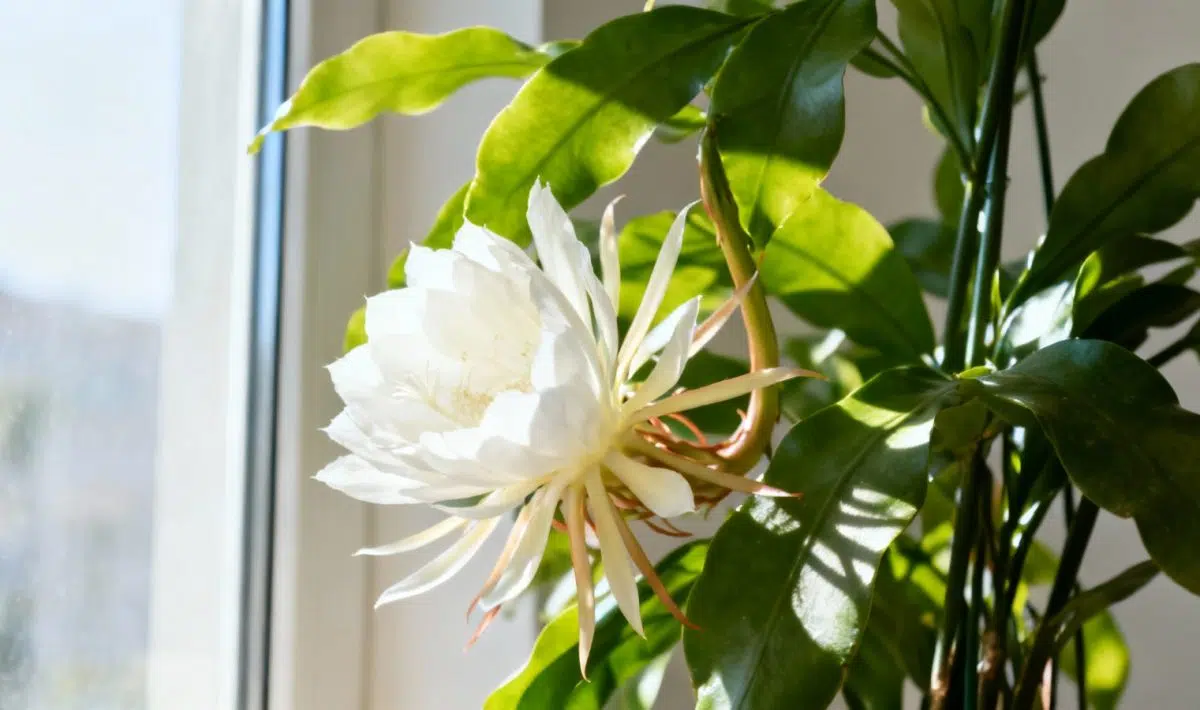
This extraordinary cactus produces large, fragrant white flowers that bloom for just one night before wilting at dawn. The spectacular blooming event makes proper light management essential for encouraging flower production. Without adequate light conditions, your Queen of the night may never reward you with its famous nocturnal display.
How much sunlight does Queen of the night need daily
The Queen of the night thrives with approximately 4-6 hours of bright, indirect light each day. Direct sunlight can be harmful, especially during peak afternoon hours when temperatures soar above 38°C (100°F). However, gentle morning sun for 2-3 hours can be beneficial when properly managed.
For indoor cultivation, position your plant near an east-facing window where it receives soft morning light. North-facing windows also work well, providing consistent but gentle illumination throughout the day. If you only have south or west-facing windows available, use sheer curtains to filter the intense light and prevent leaf burn.
When growing outdoors, choose a location with morning sun and afternoon shade. This mimics the natural forest environment where these plants originally evolved. Just as you would consider sunlight requirements for painted-leaf begonias, the Queen of the night needs careful light management for optimal health.
Seasonal light adjustments
During winter months, your Queen of the night may need additional light support. The reduced daylight hours can slow growth and delay flowering. Consider moving the plant closer to windows or supplementing with grow lights during darker periods.
Summer requires extra vigilance to protect against excessive heat and light. Monitor your plant for signs of stress such as yellowing or pale green coloration. These symptoms often indicate too much direct sunlight exposure.
Signs of improper light exposure
Recognizing light-related problems early helps prevent permanent damage to your Queen of the night. Too little light causes weak, elongated growth and pale coloration. The plant may also fail to produce flower buds, which is particularly disappointing given the spectacular nature of its blooms.
Excessive light exposure manifests as brown, crispy edges on stems or leaves. The plant may also develop a reddish tinge, indicating stress from too much direct sunlight. These warning signs require immediate adjustment of the plant’s location or light filtering.
Healthy Queen of the night plants display vibrant green coloration and sturdy growth patterns. Regular monitoring allows you to fine-tune light conditions for optimal plant health and flowering potential.
Optimizing placement for best results
Indoor placement requires careful consideration of your home’s light patterns. Avoid placing the plant directly in front of windows where it receives unfiltered sunlight. Instead, position it slightly to the side or use translucent barriers to create the ideal lighting environment.
For outdoor growing, create a microclimate that mimics natural forest conditions. Use larger plants or structures to provide afternoon shade while allowing morning light penetration. This approach works well when you’re also considering other plants’ needs, such as understanding optimal sunlight for common borage in your garden design.
Hanging baskets work exceptionally well for Queen of the night plants, allowing you to control height and light exposure easily. Suspend them from covered patios or tree branches where they receive dappled sunlight throughout the day.
Using artificial light support
LED grow lights can supplement natural lighting when needed. Position them 12-18 inches above the plant and run them for 6-8 hours daily during darker months. Choose full-spectrum lights that provide balanced nutrition for plant growth and flowering.
Avoid placing artificial lights too close, as this can create excessive heat and damage delicate plant tissues. Timer-controlled systems help maintain consistent lighting schedules that support natural plant rhythms.
Growing conditions beyond light requirements
While light management is crucial, Queen of the night plants also need proper temperature and humidity control. Maintain temperatures between 18-27°C (65-80°F) for optimal growth. Higher temperatures combined with direct sunlight can stress the plant and prevent proper flower development.
Humidity levels should remain between 40-60% for best results. In dry indoor environments, consider using humidity trays or room humidifiers to create suitable growing conditions. This comprehensive approach to care ensures your plant receives everything it needs beyond just proper lighting.
When planning your garden layout, consider that different plants have varying light needs. For instance, sunlight needs of mango trees differ significantly from those of epiphytic cacti, requiring thoughtful garden design for mixed plantings.
Purchasing and propagation considerations
When buying Queen of the night seeds or cuttings, choose reputable suppliers who provide healthy plant material. Quality seeds from reliable sources with good shipping practices ensure better germination rates and stronger plants. Look for vendors who offer detailed growing instructions and support for new plant parents.
Propagation from cuttings is often more successful than growing from seeds. Take cuttings from healthy mother plants that have been properly maintained with appropriate light conditions. These established plants are more likely to bloom and provide the spectacular night-flowering display that makes this species so desirable.
Consider the growing requirements when selecting your purchase. Plants that have been properly acclimatized to appropriate light conditions adapt better to new environments. This is particularly important when you’re also managing other garden plants with specific needs, such as understanding sunlight for growing garlic mustard alongside your exotic specimens.
Common troubleshooting tips
If your Queen of the night isn’t flowering, insufficient light is often the culprit. These plants need adequate energy reserves to produce their magnificent blooms. Gradually increase light exposure while monitoring for stress signs.
Pale or yellowish growth indicates light deficiency, while brown or red coloration suggests too much direct sunlight. Adjust placement gradually to avoid shocking the plant with sudden environmental changes.
Remember that Queen of the night plants may take several years to mature before flowering. Patient care with proper light management eventually rewards growers with unforgettable nocturnal blooming displays that make the wait worthwhile.
Allan is a lifelong gardening enthusiast who still gets excited when the first seedlings pop up in spring. With a deep love for nature and a hands-in-the-soil approach, he shares practical tips, plant discoveries, and clever tricks picked up over years of digging, planting, and observing. Whether you’re a new gardener or have a shed full of tools, Allan writes like a neighbor who’s always happy to swap cuttings and stories over the fence.
You can find more about Allan’s work on Malt or connect with him on LinkedIn.