
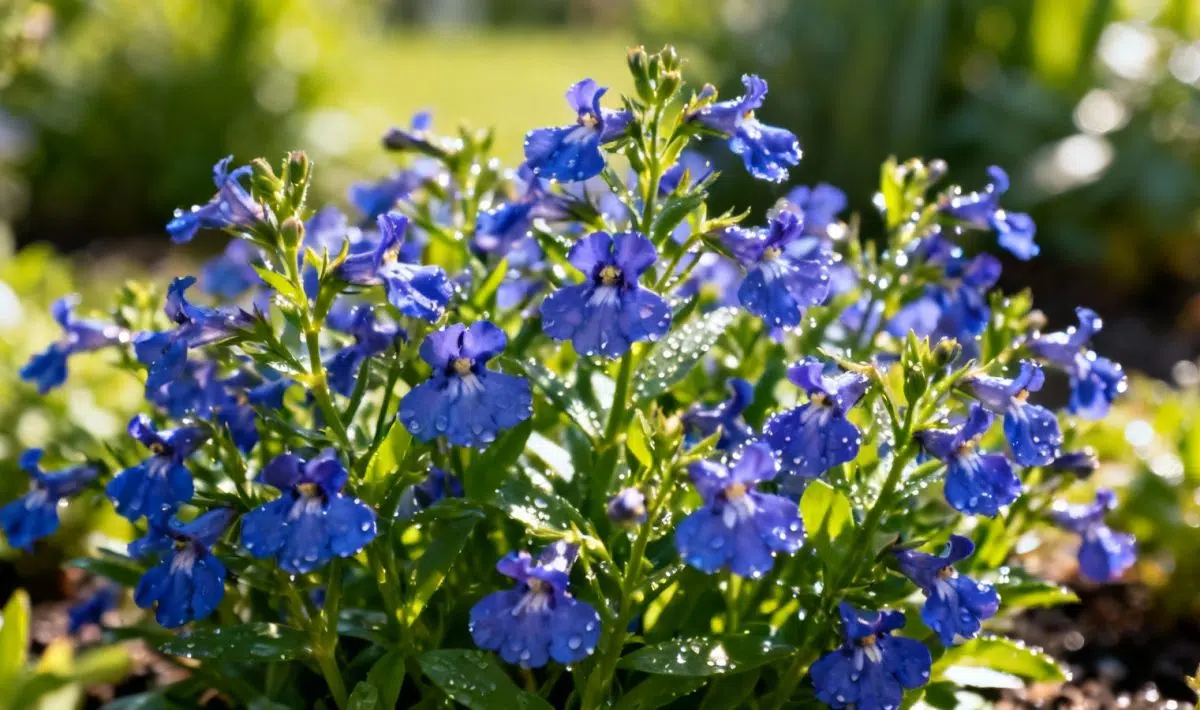
When planning your garden borders, understanding how much sunlight does edging lobelia need becomes essential for achieving those stunning cascading displays. This charming annual flower thrives with proper light conditions, rewarding gardeners with abundant blooms throughout the growing season. Getting the light requirements right from the start makes all the difference between a lackluster display and a truly spectacular border.
Essential light requirements for edging lobelia
Edging lobelia performs best with 6 to 8 hours of direct sunlight daily. This exposure ensures vigorous growth and continuous flowering from spring through fall. The plant can tolerate partial shade, receiving about 4 to 6 hours of morning sun, but expect reduced bloom production in these conditions.
In regions with intense summer heat exceeding 80°F, providing afternoon shade protects the delicate flowers from stress. The morning sun remains crucial for photosynthesis and flower development. Many successful gardeners position their lobelia where it receives eastern or southeastern exposure for optimal results.
Insufficient light below 4 hours daily leads to leggy growth and sparse flowering. You’ll notice the stems stretching toward available light sources, creating an unattractive appearance. The vibrant blue, purple, or white flowers that make this plant so desirable simply won’t develop properly without adequate sunlight.
Growing conditions beyond light exposure
While light remains the primary factor, edging lobelia requires consistent moisture and well-draining soil. The combination of good sunlight and proper watering creates the perfect environment for healthy growth. Similar to understanding sunlight requirements for cucumber plants, getting the balance right makes gardening more rewarding.
Temperature considerations matter significantly for this cool-season annual. Lobelia prefers temperatures between 60-70°F for peak performance. Hot summer conditions can cause stress even with adequate light, which explains why many gardeners treat it as a spring and fall flower in warmer zones.
Regular fertilization with a balanced liquid fertilizer every two weeks supports continuous blooming. The combination of proper sunlight exposure and consistent nutrition creates the conditions necessary for the prolific flowering that makes edging lobelia so popular among garden enthusiasts.
Varieties and their specific needs
Different lobelia varieties show varying tolerance to light conditions. Compact varieties like ‘Crystal Palace’ and ‘Cambridge Blue’ handle full sun exceptionally well. Trailing varieties used in hanging baskets often benefit from morning sun with afternoon protection, especially during peak summer months.
The intensity of flower color often correlates with light exposure. Plants receiving optimal sunlight display more vibrant blues and purples compared to those in shadier spots. White varieties tend to be more forgiving of varying light conditions while maintaining their pristine appearance.
When selecting seeds or plants, consider your garden’s specific light conditions. Just as you would research sycamore tree sunlight needs for larger specimens, matching lobelia varieties to your available sunlight ensures better success rates and more satisfied gardening experiences.
Purchasing quality lobelia seeds
Finding reliable sellers makes the difference between successful germination and disappointing results. Look for sellers with positive customer evaluations and detailed product descriptions. Good suppliers provide information about variety characteristics, germination rates, and growing recommendations with their seed packets.
Quality seeds arrive well-packaged and properly labeled with planting instructions. The best suppliers include growing tips and light requirements specific to the variety you’ve selected. Many happy customers recommend buying from established garden centers or reputable online shops that specialize in flower seeds.
Free shipping often comes with larger orders, making it economical to try multiple varieties. When buying seeds, verify the packet includes planting dates, spacing requirements, and expected bloom time. This information helps you plan your garden layout and timing for continuous color throughout the growing season.
Care and maintenance tips
Regular deadheading encourages continuous flowering and prevents the plant from going to seed too early. Remove spent flowers every few days to maintain the neat appearance that makes edging lobelia perfect for formal borders and container displays.
Monitoring for common problems like aphids or fungal issues becomes easier when plants receive proper sunlight. Healthy, well-lit plants show better resistance to pests and diseases. Much like understanding ideal sunlight for potatoes, proper light exposure strengthens plant immune systems naturally.
Watering should be done at soil level to avoid wet foliage that can lead to fungal problems. Early morning watering allows plants to dry quickly while providing moisture for the day ahead. This practice works particularly well when combined with the recommended 6-8 hours of daily sunlight exposure.
Leggy growth indicates insufficient light exposure. Moving containers to brighter locations often resolves this problem within weeks. For garden beds, consider transplanting to areas with better morning sun exposure or removing competing plants that create unwanted shade.
Wilting during hot afternoons, even with adequate moisture, suggests too much intense sunlight. Providing filtered afternoon shade through companion plantings or shade cloth protects delicate flowers while maintaining necessary morning light. Similar considerations apply when growing elephant ear plant sunlight needs are being evaluated.
Reduced flowering typically results from inadequate light rather than poor soil conditions. Before adding more fertilizer, evaluate whether your lobelia receives the recommended 6-8 hours of direct sunlight. Adjusting light exposure often proves more effective than increasing nutrients for improving bloom production.
Seasonal considerations
Spring planting allows lobelia to establish before summer heat arrives. Early season conditions with cooler temperatures and adequate rainfall complement the 6-8 hour sunlight requirement perfectly. Many gardeners achieve their best results with spring plantings that bloom continuously through early summer.
Fall replanting in warmer zones extends the blooming season when summer heat subsides. The combination of moderate temperatures and proper sunlight exposure creates ideal growing conditions. Understanding these seasonal patterns helps maximize the value of your seed purchases and garden planning efforts.
Winter protection may be necessary in marginal zones where lobelia might overwinter. Even cold-hardy varieties require adequate light during shorter winter days. Just as you might research cow parsnip sunlight requirements for native plantings, understanding seasonal light changes helps plan successful gardens year-round.
Maximizing your garden investment
Proper planning ensures your lobelia purchases provide maximum visual impact and gardening satisfaction. Understanding light requirements before planting prevents disappointing results and wasted money on replacement plants. The time invested in site selection pays dividends in prolonged flowering and healthier growth.
Quality seeds from reputable sellers, combined with optimal light conditions, create gardens that neighbors admire and photographers love to capture. The dense carpet of flowers that well-grown edging lobelia produces justifies the attention to detail required for successful cultivation.
Many satisfied gardeners recommend starting with small purchases to test growing conditions before investing in larger quantities. This approach allows you to fine-tune light exposure and care routines while building confidence in your gardening skills. The compact growth habit and reliable performance make edging lobelia an excellent choice for both beginning and experienced gardeners seeking dependable border plants.

Allan is a lifelong gardening enthusiast who still gets excited when the first seedlings pop up in spring. With a deep love for nature and a hands-in-the-soil approach, he shares practical tips, plant discoveries, and clever tricks picked up over years of digging, planting, and observing. Whether you’re a new gardener or have a shed full of tools, Allan writes like a neighbor who’s always happy to swap cuttings and stories over the fence.
You can find more about Allan’s work on Malt or connect with him on LinkedIn.


