
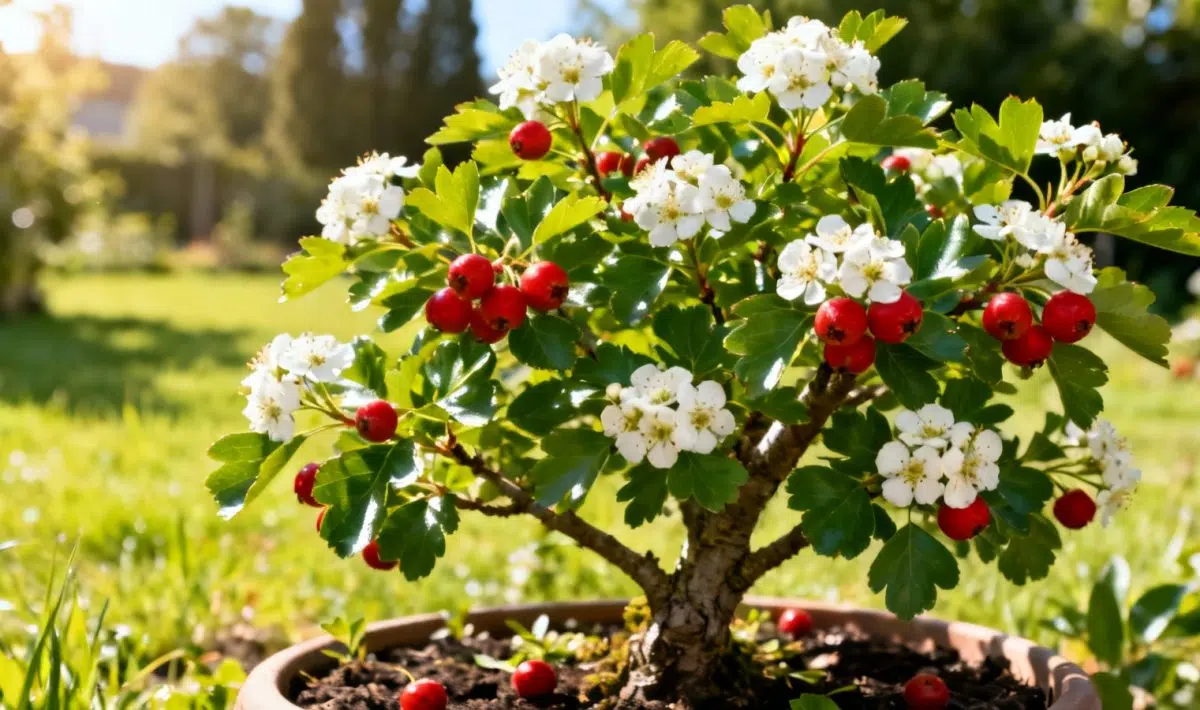
Understanding common hawthorn and its light requirements
Common hawthorn (Crataegus monogyna) stands as one of nature’s most resilient trees, but like all plants, it has specific needs that determine its success in your garden. If you’re wondering how much sunlight does common hawthorn need, the answer is quite straightforward: this magnificent tree thrives best with at least 6 hours of direct sunlight daily.
This hardy tree naturally grows in open woodlands, hedgerows, and hillsides across Europe and North America. In these natural habitats, hawthorn trees receive abundant sunshine throughout the growing season. The tree’s robust nature allows it to adapt to various conditions, but optimal light exposure ensures the healthiest growth and most abundant flowering.
Understanding your hawthorn’s light needs becomes crucial when you decide to grow this beautiful tree in your own space. Whether you’re starting from seeds or planting a young sapling, proper light exposure will determine the success of your gardening efforts.
Optimal sunlight conditions for healthy hawthorn growth
Full sun exposure remains the gold standard for common hawthorn cultivation. This means your tree should receive direct sunlight for a minimum of 6 hours daily, preferably during the morning and early afternoon hours when the sun’s rays are most beneficial for photosynthesis.
However, hawthorn trees show remarkable adaptability to partial shade conditions. They can tolerate 4-6 hours of direct sunlight, though this reduced exposure will impact their overall performance. You might notice fewer flowers, slower growth, and less dense foliage when the tree doesn’t receive optimal light.
The seasonal variations in sunlight also affect your hawthorn’s development. During spring and summer, when the tree enters its active growing phase, maximum light exposure becomes essential. Just as sunlight requirements for common juniper vary with seasons, hawthorn trees adjust their light utilization throughout the year.
Interestingly, mature hawthorn trees can withstand full sun exposure better than young seedlings. If you’re growing from seeds, consider providing some afternoon shade protection during the first year to prevent stress from intense midday heat.
Signs of adequate versus insufficient light exposure
Recognizing whether your hawthorn receives sufficient light helps you make necessary adjustments to optimize its health. A well-lit hawthorn displays vigorous growth, abundant white or pink flowers in spring, and dense, healthy foliage throughout the growing season.
Trees receiving adequate sunlight develop strong, sturdy branches that can support the weight of their beautiful flowers and subsequent fruits. The leaves maintain their rich green color, and the overall shape remains compact and well-proportioned.
Conversely, insufficient light creates several telltale signs that your tree needs better positioning. Spindly growth, pale or yellowing leaves, and reduced flowering all indicate light deficiency. Similar to how sunlight needs of common milkweed manifest in plant health, inadequate light affects hawthorn’s vitality.
You might also notice that branches stretch toward available light sources, creating an unbalanced appearance. The tree may produce fewer flowers and fruits, disappointing those who appreciate hawthorn’s ornamental and culinary value.
Growing hawthorn from seeds: light considerations
Starting your hawthorn journey with seeds requires special attention to light requirements at each growth stage. Fresh seeds need consistent moisture and moderate light during the germination period, which can take several months due to the hard seed coat.
Once seedlings emerge, gradually increase their light exposure. Young plants benefit from bright, indirect light initially, then progressively more direct sunlight as they strengthen. This approach prevents shock while encouraging healthy development.
The location where you place your seed trays or pots significantly impacts germination success. A sunny window that receives morning light works well, provided you protect seedlings from harsh afternoon sun during their most vulnerable stage.
As your seedlings grow stronger, they’ll appreciate conditions similar to optimal sunlight for common columbine, though hawthorn proves much more sun-tolerant once established.
Seasonal light management for container growing
Growing hawthorn in containers offers flexibility in managing light exposure throughout the year. During spring and summer, position your container where it receives maximum sunlight, rotating it occasionally to ensure even growth on all sides.
As autumn arrives, you can adjust positioning to capture available light as days shorten. Winter care involves protecting the roots from freezing while maintaining access to whatever sunlight is available during shorter days.
Container cultivation also allows you to experiment with light levels to observe how your specific tree responds. Some gardeners find that their hawthorn performs well with slightly less than the recommended 6 hours, particularly in regions with intense summer heat.
This flexibility proves especially valuable when growing other light-sensitive plants nearby, such as those requiring healthy sunlight for common hackberry, allowing you to create complementary garden arrangements.
Adapting to different growing environments
Your specific location and climate influence how you should approach hawthorn cultivation. In northern regions with shorter growing seasons, maximizing available sunlight becomes crucial for proper growth and flowering.
Southern gardeners might need to provide some afternoon shade protection during the hottest months, particularly for young trees. The intense heat combined with direct sunlight can stress even hardy hawthorn trees.
Urban environments present unique challenges, with buildings potentially blocking sunlight for parts of the day. Careful site selection becomes essential, choosing locations that receive unobstructed morning sun even if afternoon light is partially blocked.
Consider companion planting with species that have similar light requirements, such as light requirements for common bugle, to create cohesive garden designs that thrive under similar conditions.
Even with careful planning, you might encounter light-related challenges with your hawthorn tree. Poor flowering often results from insufficient sunlight, though other factors like soil quality and watering practices also play roles.
If your tree shows signs of light stress, consider pruning nearby vegetation that might be casting unwanted shade. Sometimes, simply removing competing plants or trimming overhanging branches can dramatically improve light availability.
Relocating container-grown trees offers another solution for addressing light issues. Unlike established in-ground trees, potted hawthorns can be moved to better positions as seasons change or as your garden evolves.
Remember that establishing good light conditions early in your tree’s life sets the foundation for decades of healthy growth. Just as sunlight needs for growing oregano affect herb production, proper light exposure determines your hawthorn’s long-term success.
Maximizing your hawthorn’s potential
With proper attention to light requirements, your common hawthorn will reward you with years of beautiful flowers, attractive fruits, and sturdy growth. These trees offer multiple seasons of interest, from spring blossoms to autumn berries and winter structure.
The fruits produced by well-lit hawthorn trees have culinary and medicinal uses, making proper cultivation even more rewarding. Many gardeners appreciate having this versatile tree that combines ornamental beauty with practical applications.
Remember that patience is key when growing hawthorn from seeds or young plants. While they may seem slow initially, proper light exposure ensures they develop into magnificent trees that can grace your landscape for generations.

Allan is a lifelong gardening enthusiast who still gets excited when the first seedlings pop up in spring. With a deep love for nature and a hands-in-the-soil approach, he shares practical tips, plant discoveries, and clever tricks picked up over years of digging, planting, and observing. Whether you’re a new gardener or have a shed full of tools, Allan writes like a neighbor who’s always happy to swap cuttings and stories over the fence.
You can find more about Allan’s work on Malt or connect with him on LinkedIn.


