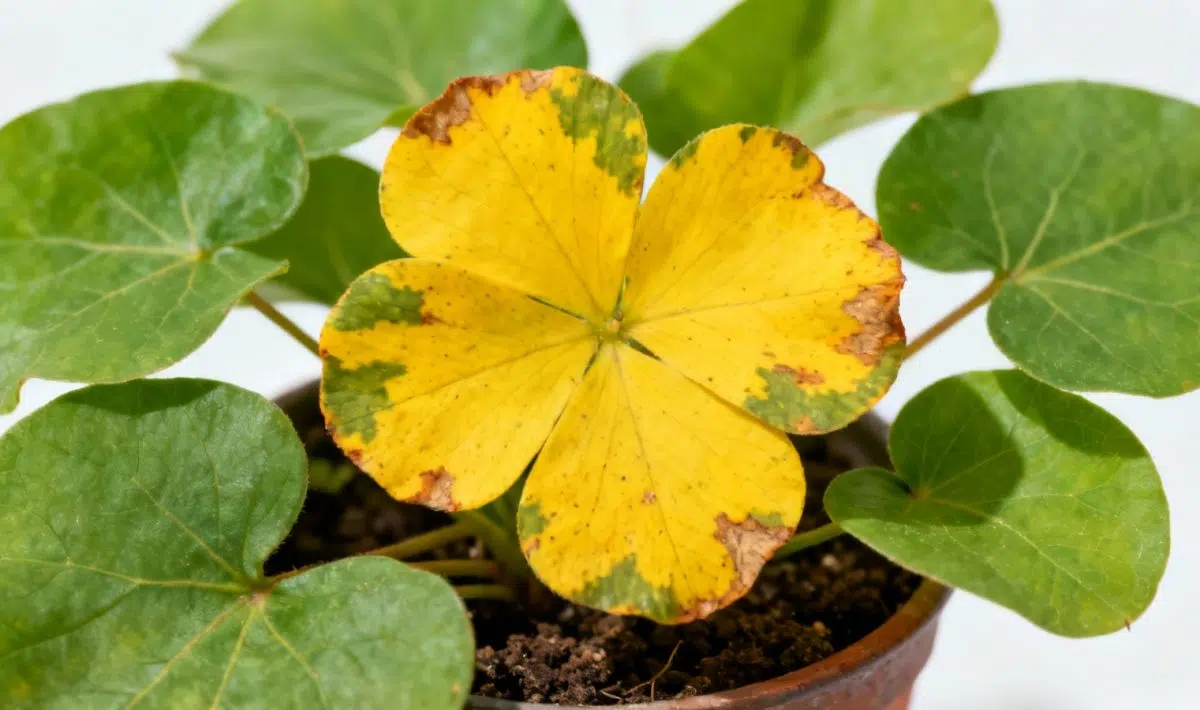
Why are my common nipplewort leaves turning yellow? Medicinal plant care solutions
Nothing’s more frustrating than watching your beloved medicinal plants struggle, especially when those vibrant green leaves start turning an unwelcome shade of yellow. Common nipplewort, scientifically known as Lapsana communis, is a valuable medicinal plant from the Apiaceae family that deserves proper care to maintain its therapeutic properties. Understanding why your nipplewort leaves are yellowing is the first step toward restoring this remarkable herb to full health.
This wild plant has been cherished for centuries in traditional medicine, particularly across Europe and mountainous regions. When healthy, nipplewort produces distinctive heart-shaped leaves and small yellow flowers that make it easily recognizable in the wild. However, various environmental stresses can cause the characteristic yellowing that concerns many gardeners today.
Before diving into the problems, it’s essential to understand what healthy nipplewort should look like. This medicinal herb naturally thrives in partially shaded areas with well-draining soil, much like its wild cousins found throughout European forests and mountainous regions. The plant produces distinctive heart-shaped leaves that should maintain a vibrant green color throughout the growing season.
Nipplewort belongs to the same botanical family as parsley, chervil, and other aromatic herbs, sharing similar growing requirements with these common garden plants. Like many plants in the Apiaceae family, it prefers consistent moisture without waterlogged conditions. The leaves play a crucial role in photosynthesis, converting sunlight into energy that supports the plant’s medicinal compound production.
Water-related issues causing yellowing leaves
Water stress ranks as the most common culprit behind yellowing nipplewort leaves. Both overwatering and underwatering can trigger this unwelcome color change, though they manifest differently. Overwatered plants typically develop yellow leaves that feel soft and mushy, often starting from the bottom of the plant and working upward.
When soil becomes waterlogged, roots cannot access the oxygen they need for proper function. This oxygen deprivation leads to root rot, which prevents the plant from absorbing nutrients effectively. The result? Those telltale yellow leaves that signal distress. Conversely, drought-stressed plants develop yellow leaves that feel crispy and dry, as the plant sacrifices older foliage to conserve water for new growth.
To determine if water is the issue, stick your finger 2-3 inches into the soil around your nipplewort. The soil should feel slightly moist but never soggy or bone dry. Adjust your watering schedule accordingly, aiming for consistent moisture levels that mimic the plant’s natural woodland habitat.
Nutritional deficiencies affecting leaf health
Like all living organisms, nipplewort requires specific nutrients to maintain healthy green foliage. Nitrogen deficiency commonly causes yellowing that begins with older, lower leaves and gradually progresses upward. This essential nutrient powers chlorophyll production, which gives leaves their characteristic green color and enables photosynthesis.
Iron deficiency presents differently, causing yellowing between leaf veins while the veins themselves remain green. This condition, known as chlorosis, often occurs in alkaline soils where iron becomes unavailable to plant roots. Magnesium deficiency creates similar symptoms but typically affects older leaves first, starting at the leaf edges and moving inward.
To address nutritional problems, consider testing your soil’s pH and nutrient levels. Nipplewort thrives in slightly acidic to neutral soil (pH 6.0-7.0), similar to conditions where wild herbs naturally flourish in European forests and Alpine meadows.
Common diseases and pest problems
Several fungal diseases can cause nipplewort leaves to yellow, particularly in humid conditions or when plants are stressed. Downy mildew and powdery mildew frequently affect plants in the Apiaceae family, creating yellowing patches that may develop fuzzy growth on leaf surfaces.
Root rot, often caused by Phytophthora species, attacks the plant’s root system and causes widespread yellowing as the damaged roots fail to transport water and nutrients. This serious condition requires immediate attention and often necessitates improving drainage or relocating the plant to better-draining soil.
Insect pests like aphids, spider mites, and thrips can also trigger leaf yellowing by feeding on plant juices or transmitting viral diseases. Regular inspection of both upper and lower leaf surfaces helps catch pest problems early, when they’re easier to manage with natural or organic treatments.
✅ Quick Checklist
Is the soil too wet or too dry?
Is the plant getting 6+ hours of sunlight daily?
Have you fertilized in the last 2 months?
Are there visible pests under the leaves?
Does the pot have adequate drainage?
🔥 FREE
📱
Diagnose your plant in one click!
AI instant diagnosis • Personalized solutions • 50,000+ species
Light conditions significantly impact nipplewort health, as this woodland herb evolved to thrive in partially shaded environments. Too much direct sunlight can scorch leaves, causing them to yellow and eventually brown at the edges. Conversely, insufficient light reduces the plant’s ability to photosynthesize effectively, leading to pale, yellowing foliage.
Temperature fluctuations also stress nipplewort plants, particularly sudden changes or extreme heat. This medicinal herb prefers the moderate temperatures found in its native European habitats, where cool mornings and mild days provide ideal growing conditions. Similar to how common dogwood leaves turning yellow can indicate environmental stress, nipplewort responds to temperature extremes by yellowing its leaves as a protective mechanism.
Air circulation around the plant affects leaf health by preventing fungal diseases and ensuring adequate gas exchange. Stagnant air promotes humidity buildup, creating perfect conditions for the fungal infections that commonly cause yellowing in medicinal herbs.
Solutions for restoring healthy foliage
Once you’ve identified the cause of yellowing, implementing targeted solutions can restore your nipplewort’s health. For water-related issues, establish a consistent watering routine that maintains soil moisture without creating waterlogged conditions. Check soil moisture regularly, especially during hot weather or windy conditions that accelerate water loss.
Improving soil drainage often requires adding organic matter like compost, aged manure, or perlite to heavy clay soils. In containers, ensure drainage holes allow excess water to escape freely. Consider elevating pots on bricks or pot feet to improve airflow underneath.
For nutritional deficiencies, apply a balanced organic fertilizer designed for herbs and medicinal plants. Compost tea provides gentle nutrition that mimics the natural soil conditions where wild nipplewort thrives. Avoid over-fertilizing, as excessive nutrients can actually reduce the concentration of beneficial compounds in medicinal plants.
Preventive care strategies
Prevention always beats treatment when caring for medicinal plants. Establish a regular monitoring routine that includes checking soil moisture, inspecting leaves for early signs of problems, and observing overall plant vigor. Just as gardeners monitor butter-and-eggs leaves turning yellow for similar issues, consistent observation helps catch nipplewort problems before they become severe.
Mulching around plants helps maintain consistent soil moisture while suppressing weeds that compete for nutrients. Organic mulches like shredded leaves or straw also decompose gradually, enriching the soil with the organic matter that wild herbs naturally encounter in forest floors.
Companion planting with other herbs from the Apiaceae family, such as parsley or chervil, can create beneficial microclimates that support overall plant health. These companions share similar growing requirements and often help each other resist common pests and diseases.
When to seek additional help
Sometimes yellowing persists despite your best efforts, indicating more complex problems requiring professional diagnosis. Severe infestations of pests or diseases may need targeted treatments beyond basic organic methods. Soil testing can reveal pH imbalances or toxic buildup that simple fertilizing cannot address.
Consider consulting local agricultural extension services or experienced herbalists who understand the specific needs of medicinal plants. They can provide region-specific advice based on local growing conditions and common problems affecting plants in your area.
Remember that some leaf yellowing occurs naturally as plants age or enter dormancy. Learning to distinguish between normal aging and stress-related yellowing helps you respond appropriately to your nipplewort’s changing needs throughout the growing season.
Allan is a lifelong gardening enthusiast who still gets excited when the first seedlings pop up in spring. With a deep love for nature and a hands-in-the-soil approach, he shares practical tips, plant discoveries, and clever tricks picked up over years of digging, planting, and observing. Whether you’re a new gardener or have a shed full of tools, Allan writes like a neighbor who’s always happy to swap cuttings and stories over the fence.
You can find more about Allan’s work on Malt or connect with him on LinkedIn.