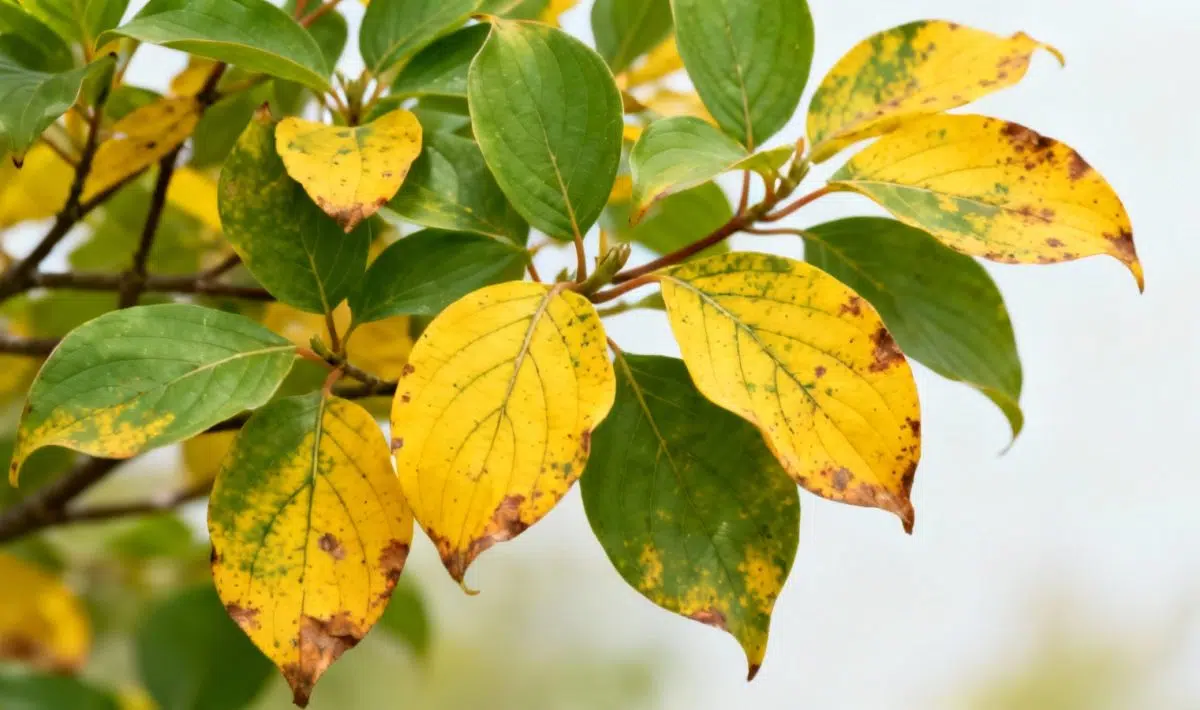
Why are my common dogwood leaves turning yellow? Causes and solutions
Watching your beautiful common dogwood develop yellow leaves can be concerning for any plant enthusiast. Understanding why this happens is essential for maintaining healthy plants and ensuring they continue to produce stunning flowers year after year. Most cases of yellowing leaves stem from environmental stress, watering issues, or seasonal changes that you can address with proper care.
Understanding the factors affecting your common dogwood leaves
Several environmental conditions directly impact the health of your dogwood’s foliage. The most common culprits include inconsistent watering, inadequate sunlight exposure, and soil quality issues. These factors work together to determine how well your plant can maintain its vibrant green leaves throughout the growing season.
The effects of dry soil conditions
When soil becomes too dry, your dogwood cannot absorb the nutrients it needs to keep leaves healthy. This stress response triggers the plant to shed older leaves, which turn yellow before dropping. You may notice this pattern starting with the lower branches and working upward as the plant prioritizes newer growth.
Consistent moisture levels are crucial for dogwood health. The soil should feel slightly moist but never waterlogged, as both extremes can cause yellowing. Check soil moisture by inserting your finger about two inches deep – if it’s completely dry, your plant needs water immediately.
Sunlight requirements and their impact
Common dogwoods thrive with partial sun exposure, typically requiring about six hours of filtered sunlight daily. Too much direct sun can scorch leaves, causing them to yellow and brown at the edges. Conversely, insufficient light prevents proper photosynthesis, leading to pale, yellowing foliage that lacks vigor.
Position your dogwood where it receives morning sun and afternoon shade for optimal health. This arrangement provides the energy plants need while protecting them from harsh midday heat that can stress the entire plant system.
✅ Quick Checklist
Is the soil too wet or too dry?
Is the plant getting 6+ hours of sunlight daily?
Have you fertilized in the last 2 months?
Are there visible pests under the leaves?
Does the pot have adequate drainage?
🔥 FREE
📱
Diagnose your plant in one click!
AI instant diagnosis • Personalized solutions • 50,000+ species
Common diseases and pests affecting dogwood foliage
Fungal infections often target stressed dogwoods, particularly during humid conditions or when plants are overwatered. Anthracnose and powdery mildew are frequent culprits that cause yellowing and eventual leaf drop. These diseases thrive in environments with poor air circulation and excessive moisture.
Pest infestations can also trigger yellowing as insects drain nutrients from leaves. Scale insects, aphids, and spider mites commonly attack dogwoods, especially when plants are already weakened by environmental stress. Similar yellowing patterns occur in other plants, as seen with causes of yellow butter-and-eggs leaves, where environmental factors play a major role.
Recognizing signs that your dogwood needs immediate attention
Early detection of problems allows you to address issues before they become severe. Look for specific patterns in how the yellowing progresses, as this can indicate the underlying cause and guide your treatment approach.
Evaluating flower and foliage health
Healthy dogwood flowers should be vibrant and well-formed, while leaves maintain a rich green color throughout the growing season. When flowers appear sparse or leaves show yellowing along with brown spots, this indicates your plant is under significant stress and requires immediate intervention.
Take a photo of affected areas to track changes over time. This documentation helps you identify whether treatments are working and provides valuable information if you need to consult with gardening experts about persistent problems.
Identifying water stress symptoms
Plants experiencing water stress display distinct warning signs beyond just yellow leaves. Wilting during hot days, even with adequate soil moisture, can indicate root problems or extreme heat stress. Conversely, constantly soggy soil produces yellowing that starts from the bottom of the plant and moves upward.
The timing of yellowing also provides clues about the cause. Sudden yellowing after a dry spell suggests drought stress, while gradual yellowing over several days may indicate nutrient deficiencies or root rot from overwatering.
Monitoring overall plant vigor
A healthy dogwood produces new growth regularly and maintains consistent leaf color throughout its canopy. When you notice reduced growth, smaller leaves, or premature leaf drop, these symptoms often accompany yellowing and indicate your plant needs comprehensive care.
Regular monitoring allows you to catch problems early when they’re easier to correct. Similar diagnostic approaches work for other plants experiencing yellowing, such as understanding reasons for yellowing rutabaga leaves, where systematic observation reveals the underlying causes.
Proven strategies to keep your dogwood leaves healthy
Implementing consistent care practices prevents most yellowing issues and promotes vigorous growth. Focus on creating optimal growing conditions that support your plant’s natural processes while minimizing environmental stress factors.
Establishing proper watering routines
Water deeply but less frequently to encourage strong root development. During hot summer days, your dogwood may need water every 2-3 days, while cooler periods require less frequent watering. Always check soil moisture before watering to avoid both drought stress and waterlogged conditions.
Apply water slowly at the base of the plant, allowing it to penetrate deeply into the root zone. This method ensures roots can access moisture during dry periods and prevents the shallow watering that leads to weak root systems and increased stress.
Protecting against diseases and maintaining good air circulation
Prune your dogwood annually to maintain good air circulation throughout the canopy. Remove any dead, diseased, or crossing branches that can harbor fungal spores and limit airflow. This preventive measure significantly reduces the risk of diseases that cause yellowing and defoliation.
Apply fungicide treatments preventively during humid periods when diseases are most likely to develop. Choose products specifically formulated for ornamental trees and follow application schedules that protect your plant without harming beneficial insects.
✅ Quick Checklist
Is the soil too wet or too dry?
Is the plant getting 6+ hours of sunlight daily?
Have you fertilized in the last 2 months?
Are there visible pests under the leaves?
Does the pot have adequate drainage?
🔥 FREE
📱
Diagnose your plant in one click!
AI instant diagnosis • Personalized solutions • 50,000+ species
Keep detailed records of your dogwood’s performance throughout each season. Note when yellowing occurs, weather patterns during those periods, and which treatments prove most effective. This information becomes invaluable for preventing future problems and optimizing care routines.
Adjust your care approach based on seasonal needs and changing conditions. During hot summer days, increase watering frequency and provide additional shade if necessary. In autumn, reduce watering as the plant prepares for dormancy, but continue monitoring for pest activity that can weaken plants before winter.
Regular photographic documentation helps track improvements and identify recurring patterns that might indicate underlying soil or environmental issues requiring professional attention. With consistent care and attention to your dogwood’s specific needs, you can maintain beautiful, healthy foliage throughout the growing season.
Allan is a lifelong gardening enthusiast who still gets excited when the first seedlings pop up in spring. With a deep love for nature and a hands-in-the-soil approach, he shares practical tips, plant discoveries, and clever tricks picked up over years of digging, planting, and observing. Whether you’re a new gardener or have a shed full of tools, Allan writes like a neighbor who’s always happy to swap cuttings and stories over the fence.
You can find more about Allan’s work on Malt or connect with him on LinkedIn.