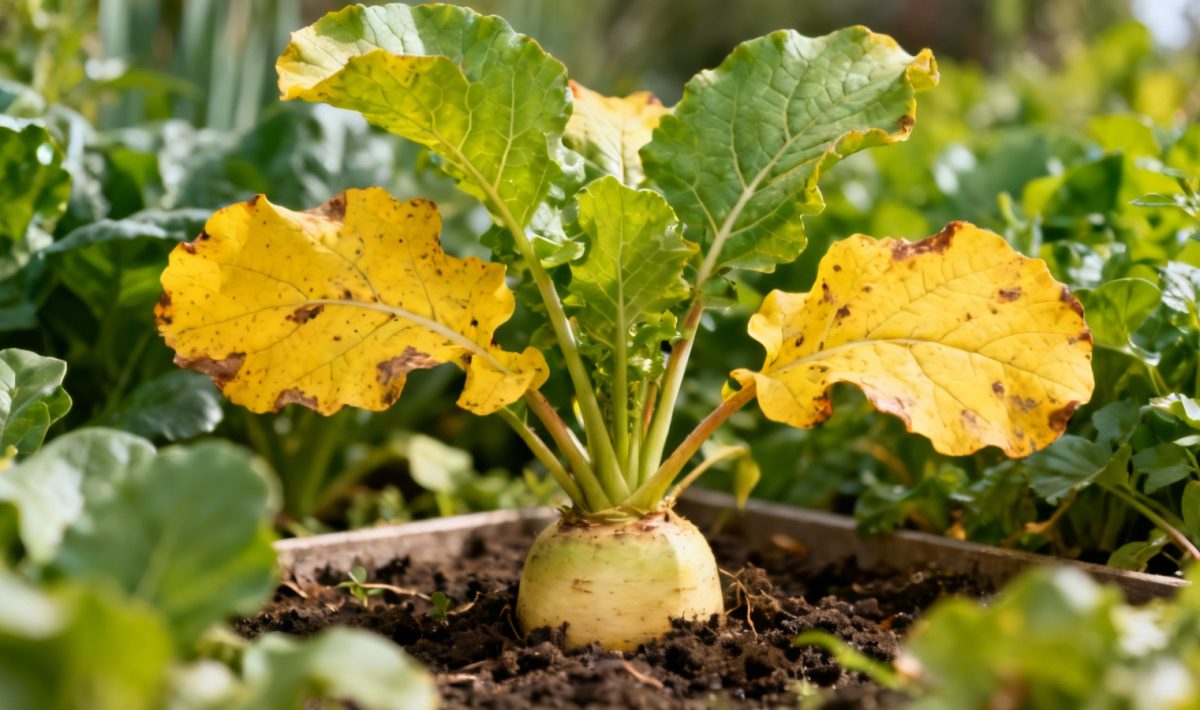
Why are my rutabaga leaves turning yellow? Common causes and solutions
If you’ve noticed your rutabaga leaves turning yellow, you’re not alone in this gardening puzzle. This common issue can be frustrating, but the good news is that it’s usually fixable once you identify the root cause. Yellow leaves on your rutabaga plants are essentially their way of telling you something isn’t quite right with their growing conditions.
Understanding what causes this yellowing is the first step toward nursing your plants back to health. Whether you’re growing from seeds or transplanted seedlings, rutabagas are generally hardy plants that respond well to proper care once you address their specific needs.
The most frequent culprits behind yellow rutabaga leaves fall into several categories that are interconnected. Soil conditions play a massive role, as these brassica plants are quite particular about their growing environment. When the soil is too wet, too dry, or lacks proper drainage, your rutabaga plant will struggle to absorb nutrients effectively.
Nutrient deficiencies are another major factor. Rutabagas are heavy feeders, especially when it comes to nitrogen. Without adequate nutrition, the older leaves start turning yellow as the plant redirects nutrients to newer growth. This is actually a natural process, but when it happens too quickly or extensively, it signals a problem.
Pests and diseases can also trigger yellowing. Flea beetles, aphids, and root maggots are common troublemakers that stress the plant. Fungal infections like clubroot or black rot can cause yellowing as they interfere with the plant’s ability to transport water and nutrients from the roots to the leaves.
✅ Quick Checklist
Is the soil too wet or too dry?
Is the plant getting 6+ hours of sunlight daily?
Have you fertilized in the last 2 months?
Are there visible pests under the leaves?
Does the pot have adequate drainage?
🔥 FREE
📱
Diagnose your plant in one click!
AI instant diagnosis • Personalized solutions • 50,000+ species
Your rutabaga’s relationship with soil moisture is critical for healthy leaf development. These plants need consistent moisture but not waterlogged conditions. When the soil stays too wet for extended periods, root rot can develop, preventing proper nutrient uptake and causing leaves to yellow from the bottom up.
On the flip side, drought stress can also trigger yellowing as the plant tries to conserve water by shutting down older leaves. The key is maintaining evenly moist soil that drains well. You can test this by inserting your finger about two inches into the soil – it should feel slightly damp but not soggy.
Soil pH plays a crucial role too. Rutabagas prefer slightly acidic to neutral soil with a pH between 6.0 and 7.0. When the pH is off, even if nutrients are present in the soil, your plant might not be able to access them properly, leading to deficiency symptoms like yellowing leaves.
Nutrient deficiencies and fertilization
Nitrogen deficiency is often the primary suspect when rutabaga leaves start turning yellow. This macronutrient is essential for chlorophyll production, which gives leaves their green color. When plants don’t get enough nitrogen, they begin pulling it from older leaves to support new growth, causing the characteristic yellowing pattern that starts with the lower leaves.
However, too much nitrogen can also cause problems by promoting excessive leaf growth at the expense of root development. This creates a plant that’s more susceptible to stress and disease. Similar yellowing issues can occur with other plants in your garden, as seen with reasons for yellowing honeysuckle leaves which often share comparable nutrient requirements.
Magnesium and iron deficiencies can also manifest as yellowing, though they typically show different patterns. Magnesium deficiency causes yellowing between the leaf veins while the veins remain green, creating a distinctive striped appearance. Iron deficiency usually affects younger leaves first and creates a more uniform pale yellow color.
Environmental factors and growing conditions
Temperature fluctuations can stress rutabaga plants and trigger leaf yellowing. These cool-season crops prefer temperatures between 50-65°F and can struggle when it gets too hot. Extended periods above 75°F can cause heat stress, leading to yellowing and poor root development.
Light conditions matter significantly too. While rutabagas can tolerate some shade, they need at least 6 hours of direct sunlight daily for optimal growth. Insufficient light can weaken the plant and make it more prone to yellowing leaves and disease issues.
Overcrowding is another environmental factor that many gardeners overlook. When rutabaga plants are too close together, they compete for nutrients, water, and light. This competition often results in weaker plants with yellowing leaves as they struggle to get the resources they need.
Practical solutions and prevention strategies
The most effective approach to fixing yellow rutabaga leaves starts with proper soil preparation. Before planting your seeds, work compost or well-rotted manure into the soil to improve both drainage and nutrient content. This creates the foundation for healthy plant development throughout the growing season.
For immediate yellowing issues, assess your watering routine first. Adjust to provide deep, infrequent watering rather than frequent shallow watering. This encourages deep root growth and helps plants become more resilient to environmental stress.
When dealing with nutrient deficiencies, a balanced fertilizer applied according to soil test results works better than guessing. For nitrogen deficiency, you can apply a nitrogen-rich fertilizer, but be careful not to overdo it. Many gardeners face similar challenges with other plants, such as understanding causes of yellowing pomegranate leaves where balanced nutrition is equally important.
✅ Quick Checklist
Is the soil too wet or too dry?
Is the plant getting 6+ hours of sunlight daily?
Have you fertilized in the last 2 months?
Are there visible pests under the leaves?
Does the pot have adequate drainage?
🔥 FREE
📱
Diagnose your plant in one click!
AI instant diagnosis • Personalized solutions • 50,000+ species
Prevention is always better than treatment when it comes to rutabaga cultivation. Implementing crop rotation helps prevent soil-borne diseases and pest buildup that can cause yellowing. Avoid planting rutabagas or other brassica family plants in the same location more than once every three years.
Regular monitoring of your plants allows you to catch problems early before they become severe. Check your rutabagas weekly, looking for early signs of yellowing, pest activity, or disease symptoms. Early intervention is much more successful than trying to save severely compromised plants.
Quality seed selection also impacts plant health throughout the growing season. Choose disease-resistant varieties when possible and purchase seeds from reputable suppliers. Healthy plants that start strong are much less likely to develop yellowing issues later in their growth cycle.
With proper attention to soil conditions, watering practices, and nutrition, your rutabaga plants should maintain healthy green foliage throughout their growing season. Remember that some natural yellowing of older leaves is normal as plants mature, but widespread or rapid yellowing indicates an underlying issue that needs your attention.
Allan is a lifelong gardening enthusiast who still gets excited when the first seedlings pop up in spring. With a deep love for nature and a hands-in-the-soil approach, he shares practical tips, plant discoveries, and clever tricks picked up over years of digging, planting, and observing. Whether you’re a new gardener or have a shed full of tools, Allan writes like a neighbor who’s always happy to swap cuttings and stories over the fence.
You can find more about Allan’s work on Malt or connect with him on LinkedIn.